Discovering a wasp nest on your property can be unsettling, whether it’s near your home, workplace, or school. The good news? With the right knowledge, you can handle the situation calmly, protect people nearby, and know when it’s time to call in professionals like BrockStar Pest Services if you’re in the Austin area.
Don’t let wasps take over your space! Get fast, reliable wasp control in Austin, Dripping Springs, Bee Cave, Lakeway, Round Rock, Buda, and Kyle. Schedule your inspection today!
Why Wasps Matter — Risks and Benefits
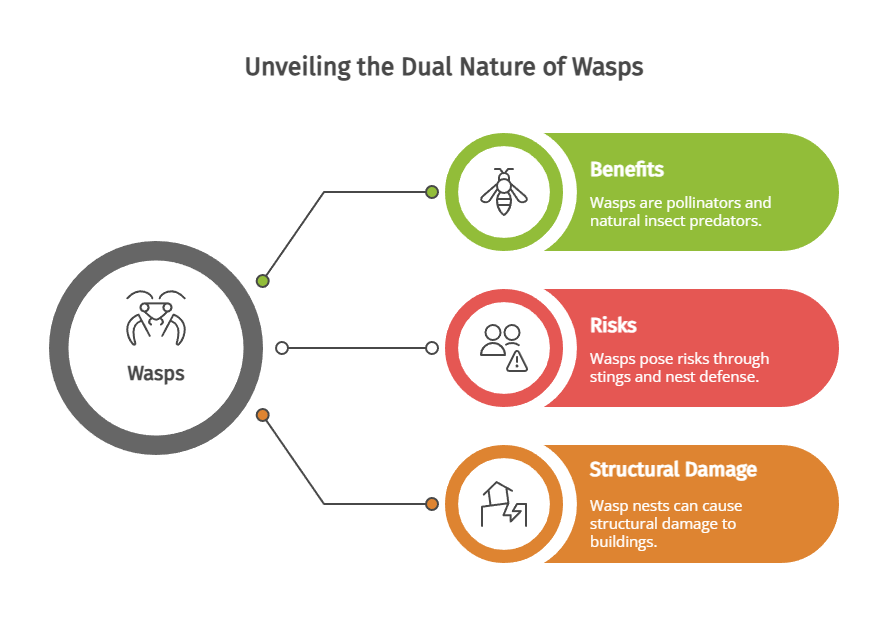
Wasps aren’t just pests; they play an important role in the environment. Many species are pollinators and natural predators of insects, helping keep ecosystems in balance. However, they can also pose serious risks:
- Stings – painful and sometimes life-threatening for those with allergies.
- Aggressive defense – wasps will protect their nests if threatened.
- Structural risks – nests inside walls or attics can cause long-term damage.
The key is knowing when a nest is a danger and when it can be left alone. Small, isolated nests away from people may not need removal.
Common Wasp & Hornet Species You Might Encounter
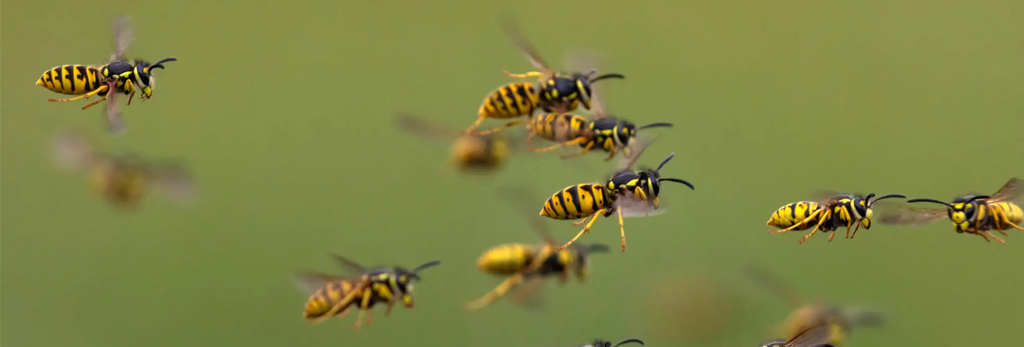
Different wasps behave in different ways. Understanding which type you’re dealing with can guide your next step:
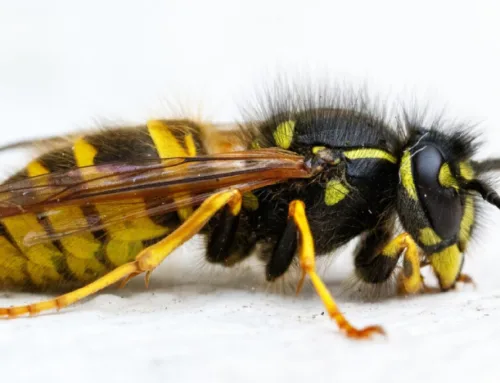
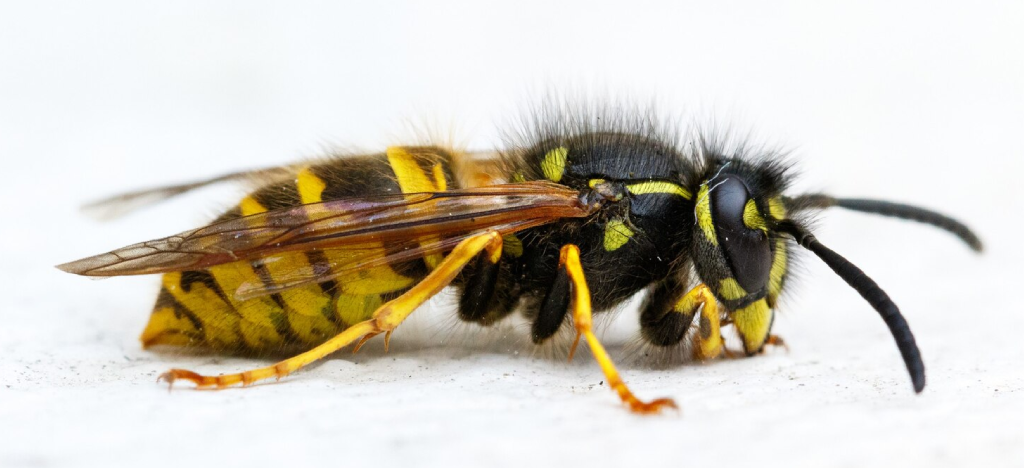
- Yellowjackets (Vespula spp.) – Usually nest underground or in cavities. Known for aggressive behavior when disturbed.
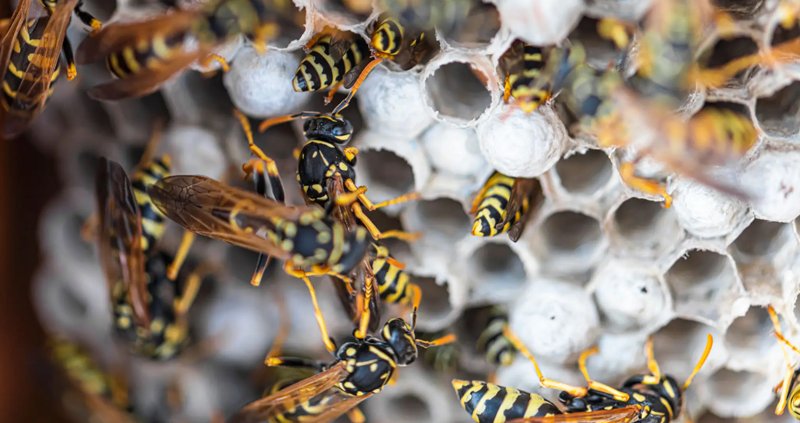
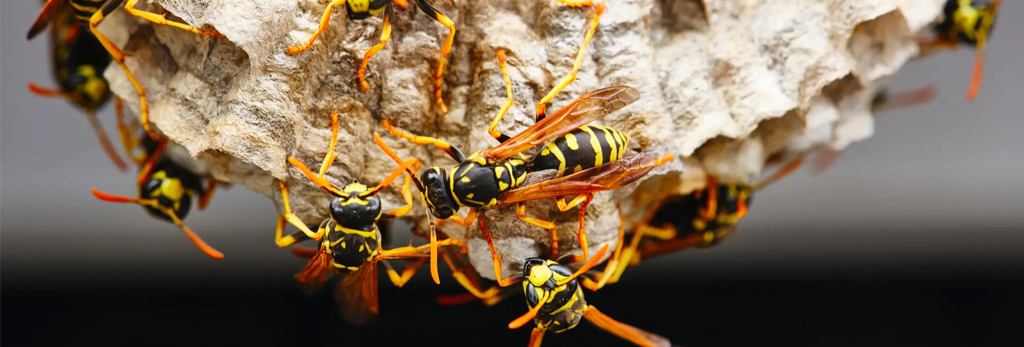
- Paper Wasps (Polistes spp.) – Build open, umbrella-shaped combs under eaves and decks. Less aggressive unless directly threatened.
- Hornets (e.g., bald-faced hornet, European hornet) – Create large aerial nests in trees, shrubs, or structures. Very defensive when provoked.
- Mud Daubers & Solitary Wasps – Typically harmless and non-aggressive, creating small mud nests. These rarely need removal.
First Emergency Actions Upon Spotting a Nest
If you discover a wasp nest, safety comes first. Take these immediate steps:
- Stay calm and keep your distance – sudden movements can provoke wasps.
- Secure children and pets – restrict their access to the area.
- Avoid agitating the nest – don’t poke, spray water, or shine lights at it.
- Mark the location quietly – so you and others know where to avoid.
Safe Do’s and Don’ts
Do’s:
- Wear protective clothing if you must be near the nest.
- Plan interventions at dusk or dawn when wasps are less active.
- Use approved wasp sprays or dusts only if the nest is small and accessible.
Don’ts:
- Don’t spray or knock down a nest during the daytime.
- Don’t set fire to or flood a nest.
- Don’t block the entrance, which can force wasps inside walls or buildings.
If the nest is large, indoors, or you have an allergy, skip DIY attempts.
Step-by-Step: How to Attempt Safe Removal (If You Choose DIY)

While professional help is always safest, some homeowners attempt removal for small, accessible nests. Here’s a cautious approach:
- Choose the right time – evening or early morning when activity is lowest.
- Apply insecticidal spray or dust – stand at a safe distance and treat the nest entrance.
- Wait and monitor – leave the nest untouched for at least 24 hours.
- Remove the nest – once inactive, knock it down using a long tool, place it in a sealed bag, and dispose of it in outdoor trash.
- Clean the site – scrub the area with soap and water to reduce scent markers that attract new wasps.
When & How to Call a Professional
There are situations where calling a licensed pest control service is the best move:
- The nest is large or inside walls/attics.
- Someone nearby is allergic to wasp stings.
- The nest is near entrances, walkways, or high-traffic areas.
Professionals use protective equipment, specialized tools, and safe treatments that minimize risk to people and property. If you’re in Texas, BrockStar Pest Services offers customized wasp control solutions tailored to your situation.
Prevention and Future Protection
To reduce the chances of wasps returning:
- Seal cracks and entry points in walls, roofs, and siding, we also offer seal up services.
- Keep trash bins closed and clean to avoid attracting foraging wasps.
- Cover food and drinks during outdoor activities.
- Hang decoy wasp nests to discourage new colonies.
- Schedule regular inspections, especially in spring when nests begin forming.
Curious what others think? Read real stories from happy customers and see the difference we make!
Conclusion
Finding a wasp nest doesn’t have to mean panic. By staying calm, taking immediate precautions, and knowing when to bring in professionals, you can keep your property safe. If you’re located in Austin, BrockStar Pest Services is here to provide fast, safe, and reliable wasp control so you can get back to enjoying your space without worry.
FAQ
- How can I tell if a wasp nest is active or abandoned?
Look for wasps flying in and out of the entrance. A quiet nest with no activity for several days is likely abandoned. - Is it safe to spray a nest during daytime?
No. Wasps are most active in daylight and will defend their colony aggressively. Treatments should only be applied at dusk or dawn when wasps are less active. - Will wasps return after removal?
Wasps don’t reuse old nests, but new queens may build nearby if the site remains attractive. Cleaning and sealing areas after removal helps prevent recurrence. - What should I do if someone is stung and shows allergic symptoms?
Call emergency services immediately. Signs of anaphylaxis include difficulty breathing, swelling of the face/throat, and dizziness. - How often should I inspect for nests on my property?
Inspect monthly during warm weather, especially in spring and summer when colonies are forming. Early detection makes control easier.