When it comes to protecting your Austin garage from rodents, you’ve likely heard of three main approaches: sealing, trapping, and baiting. But which one actually stops the problem? The short answer: garage door rodent seals address the root cause, while traps and baits are only temporary Band-Aids that keep you trapped in a cycle of re-infestation.
Let’s break down why rodent seals are the smarter, long-term solution for Austin homes and businesses.
Protect your garage and property from rodents! We offer rodent seal up services across Austin, Dripping Springs, Bee Cave, Lakeway, Round Rock, Buda, and Kyle. Book us today!
Why Garages Are Rodent Magnets
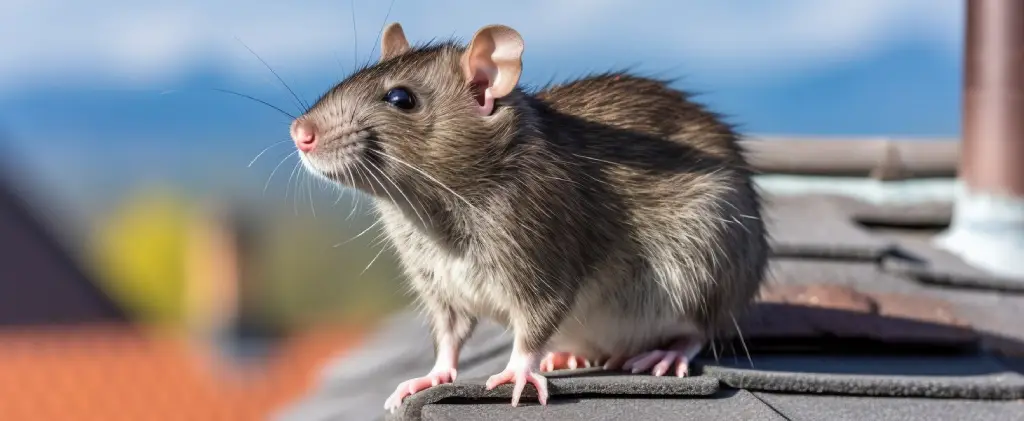
Garages aren’t just storage spaces—they’re five-star hotels for rodents. In Austin, rodent activity increases significantly in cooler months as house mice and roof rats search for warmth and shelter.
The problem? Garages offer the perfect trifecta: easy access, food sources, and protection from the elements. And here’s the kicker—rodents can fit through openings as tiny as a dime, which means most garage door gaps are basically an open invitation.
Garage door gaps are among the most common entry points for rodents in homes, especially where the garage attaches to the main structure. Once inside, rodents can access food stores, damage insulation, and create nests in your stored items—all without you knowing until the problem is massive.
Understanding Traditional Traps as a Solution
Snap traps, live-capture traps, and electronic traps have been around for decades. Snap traps are known for their high success rate in capturing or killing rodents quickly and are relatively inexpensive and widely available, making them seem like an easy fix.
But here’s the reality: traps only handle rodents that are already inside your home. They’re reactive, not preventive.
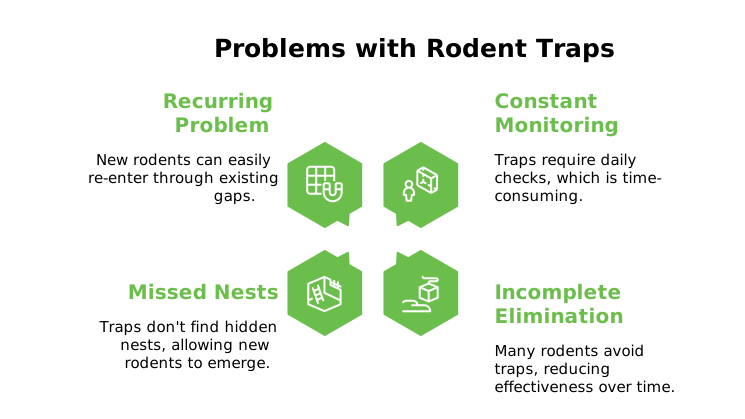
The problems stack up fast:
-
Constant monitoring: You need to check traps daily, which is time-consuming and unpleasant.
-
Incomplete elimination: Many rodents avoid traps altogether, while others can become wary of new objects in their environment, reducing trap effectiveness over time.
-
Missed nests: A single trap won’t find hidden nests in your walls or attic, meaning new rodents keep emerging.
-
Recurring problem: Once you remove one batch of rodents, new ones from outside can easily squeeze back in through the same gaps.
Live-capture traps are ineffective for large infestations, typically only capturing 15 to 30 mice, and are extremely time-consuming to monitor and relocate.
The Limitations of Bait Stations
Bait stations seem promising—set them, forget them, problem solved. In theory. In practice, they fail Austin homeowners repeatedly.
Bait stations don’t prevent rodents from entering your property; they’re reactive, only addressing the problem after rodents have already moved in. This is the fundamental flaw: you’re waiting for rodents to arrive, consume poison, and die—while dozens more are potentially getting inside through the same open doors and gaps.
Beyond ineffectiveness, bait stations come with serious drawbacks:
-
Secondary poisoning risk: When poisoned rodents are eaten by predators like hawks, owls, or even pets, the poison transfers to the predator, potentially causing illness or death.
-
Health hazards: Rodents can spread hantavirus, lymphocytic choriomeningitis, plague, and tularemia—diseases that contaminate food, taint cutting boards, and pose severe respiratory risks.
-
Limited effectiveness: Rodents are highly intelligent and quickly learn to avoid danger, making bait stations less effective over time as rodents become wary of the new objects in their environment.
-
Incomplete elimination: Rodents may avoid the bait altogether, and some may consume non-lethal doses, allowing them to survive and continue breeding.
How Rodent Seals Work Differently
Rodent seals solve the problem at its source: preventing entry in the first place.
Rodent seals are made from a blend of durable materials, including stainless steel wool and poly-fiber, which are impenetrable to rodents. Unlike rubber or vinyl seals that rodents can chew through, stainless steel creates a barrier they simply cannot penetrate—even with their platinum-strength teeth.
These seals are weatherproof, designed to last for years, and built to withstand harsh conditions while enhancing your garage’s energy efficiency. Once installed at the bottom of your garage door, they seal out drafts, dust, water, and—most importantly—rodents.
The key advantage? It’s permanent. You install it once, and it works year-round without monitoring, resetting, or replacing baits.
Comparing the Three Methods: Key Advantages of Seals
When you line up these three approaches, the differences become crystal clear:
Rodent Seals solve the root cause by physically blocking entry. Traps only catch what’s already inside. Baits kill some rodents while creating new problems like secondary poisoning and incomplete elimination.
The financial case is compelling too: rodent exclusion may involve higher upfront costs but is ultimately cheaper than long-term rodent issues, as rodents can cause significant damage very quickly, destroying stored food, valuables, and even vehicles.
Long-Term Cost & Health Benefits
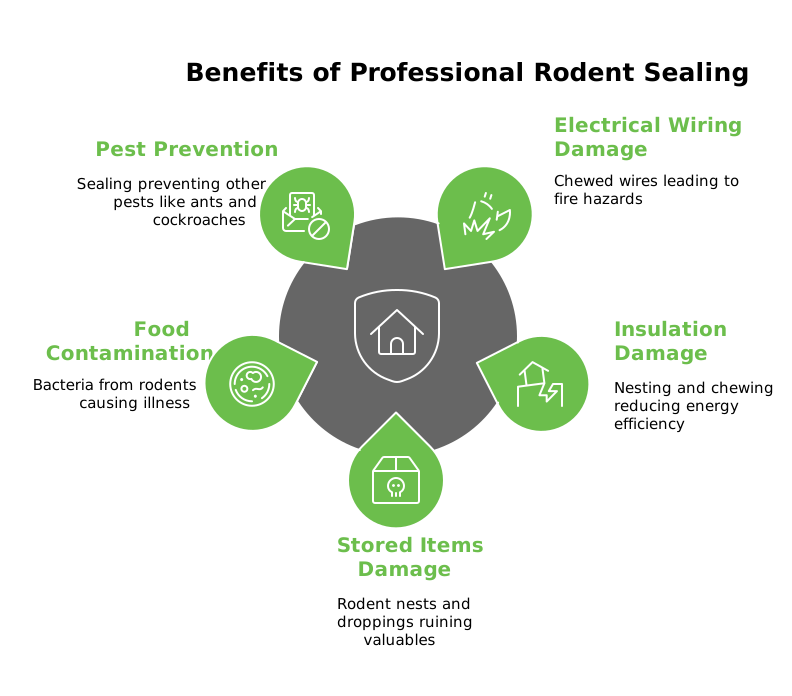
While traps and baits seem cheaper upfront, the true cost of repeated infestations adds up fast.
Rodents damage:
-
Electrical wiring: Chewed wires can lead to house fires, one of the most dangerous risks of rodent infestations.
-
Insulation and drywall: Nesting and chewing within walls reduces energy efficiency, increasing heating and cooling costs.
-
Stored items: Boxes, furniture, and valuables get ruined by rodent nests and droppings.
-
Food and hygiene: Rodents contaminate pantries, food-prep surfaces, and dishes with bacteria that cause serious illness.
When done professionally, comprehensive sealing covers gaps around doors, windows, foundation cracks, utility penetrations, roof vents, and attic openings, creating a complete barrier that also reduces the risk of other pests like ants and cockroaches.
A single rodent seal installation protects your health, prevents structural damage, and eliminates the need for repeated pest control visits. That’s a real long-term investment.
Why DIY Traps Fail Austin Homeowners
Austin’s seasonal weather patterns, greenbelts, and older neighborhoods create ideal conditions for rodents. In Austin, house mice and roof rats are the most common invaders, with activity often increasing in cooler months as they move indoors in search of food and shelter.
When homeowners rely on DIY traps:
-
Rodents find alternatives: New rodents keep entering through the same gaps that trapped the first ones.
-
Incomplete solutions: DIY traps don’t address hidden nests or prevent new infestations.
-
Weak materials used: If you seal gaps with rubber or caulk alone, rodents can chew through within weeks.
-
Seasonal surges overwhelm you: When Austin’s cooler months bring in swarms of rodents, a handful of traps won’t make a dent.
A licensed professional inspects your home for entry points, droppings, and nests, then sets targeted treatments and exclusion work to deliver longer-term results.
See why our customers trust us! Read their stories and discover how we make a difference.
Professional Rodent Sealing
This is where BrockStar’s Rodent Seal Up Austin comes in.
We don’t just trap rodents—we ensure they can’t get in. Our professional team:
-
Conducts a thorough inspection to identify every gap and vulnerability in your garage and entry points.
-
Installs durable, rodent-proof seals using stainless steel and commercial-grade materials that stand up to Austin’s weather and rodent pressure.
-
Seals entry points comprehensively, including garage door gaps, foundation cracks, utility line penetrations, and other vulnerable spots.
-
Provides long-term protection that eliminates the cycle of re-infestation.
No more monitoring traps. No more replacing baits. No more rodents.
Ready to stop playing whack-a-mole with rodents? Contact BrockStar today for a free inspection and consultation. As your trusted pest control Austin experts, our team will show you exactly where rodents are getting in and how we can seal them out permanently.
Frequently Asked Questions
How long do rodent seals last?
Professional rodent seals are built to last for years, with durable stainless steel and poly-fiber materials that withstand harsh weather conditions and rodent gnawing. With proper maintenance and periodic inspections, seals can provide protection for 5–10 years or longer, depending on environmental factors and usage. Regular checks ensure no wear or gaps develop over time.
Can I install seals myself?
While it’s possible to purchase and install garage door seals yourself, professional installation is recommended for maximum effectiveness. Professional technicians measure your garage door accurately, ensure proper alignment, and use heavy-duty fasteners to secure the seal tightly with no gaps. Improper installation can leave gaps that defeat the purpose. Professional installers also identify additional entry points you might miss, providing a comprehensive solution.
Do seals also improve energy efficiency?
Yes! Rodent seals provide excellent weatherproofing, keeping out drafts, dust, and water while enhancing your garage’s energy efficiency. By sealing gaps, you reduce air leaks that allow heat to escape in winter and cool air in summer, potentially lowering your heating and cooling costs. This dual benefit makes sealing a smart investment for both pest prevention and energy savings.
What about rodents already inside the garage?
If you have an active infestation, sealing alone won’t remove existing rodents. A comprehensive approach involves inspection to find entry points and nests, targeted trapping or removal, cleanup of contaminated areas, and then sealing to prevent re-entry. This is why professional pest control services combine removal and exclusion—you get the best of both worlds. Contact BrockStar for a complete evaluation and customized plan.
Are seals safe for pets and children?
Absolutely! Rodent seals eliminate the need for rodenticides, snap traps, and other hazardous methods, removing the risk of poisoning in children and pets. Stainless steel and poly-fiber seals are inert, non-toxic materials that pose no health risks. This makes exclusion-based sealing one of the safest long-term pest control solutions for families with pets and children.