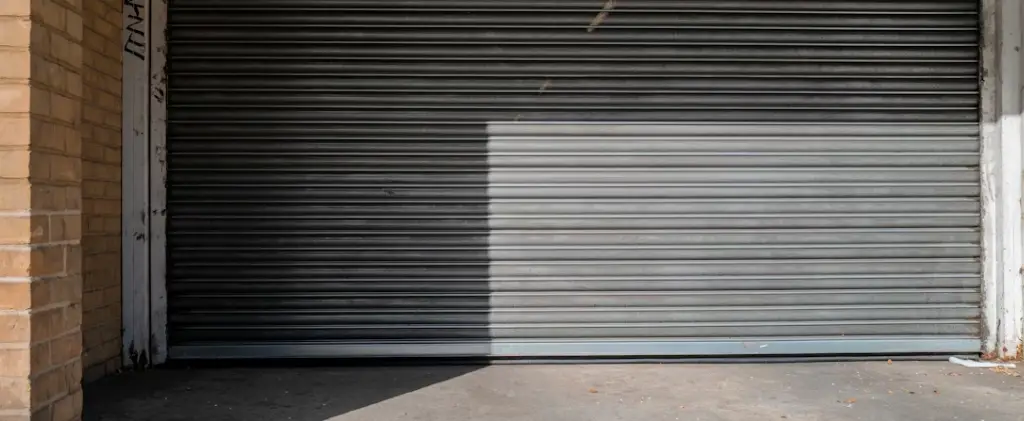
Your garage door seal does more than just keep the weather out—it’s your first line of defense against pests, water damage, and energy waste. In Austin, where humidity runs high and rodents are a year-round concern, a worn garage door seal isn’t just an inconvenience—it’s an open invitation for trouble. Let’s talk about the signs that mean it’s time for a replacement and why taking action now can save you thousands down the road.
Protect your garage and property from rodents! We offer rodent seal up services across Austin, Dripping Springs, Bee Cave, Lakeway, Round Rock, Buda, and Kyle. Book us today!
Why Garage Door Seals Matter in Austin
Austin’s climate is brutal on garage doors. High humidity levels during summer months reach 90% or higher, and our rainy season brings water damage risks that weaken weatherstripping. Temperature swings—scorching summers followed by mild winters—add constant stress to your seal.
A functional rodent-proof seal stops roof rats and house mice from entering, blocks water from pooling inside your garage, and helps maintain temperature efficiency. When that seal fails, all of those protections disappear.
Visual Signs Your Seal Needs Replacement
Cracks, Brittleness, and Hardened Rubber
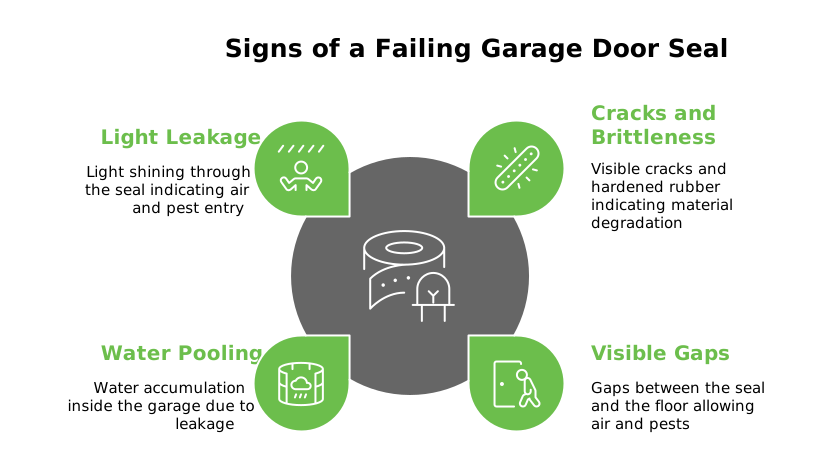
UV rays, temperature extremes, and Austin’s humidity cause rubber and foam to harden and crack. When weather stripping becomes brittle or shows visible cracks, it can no longer form a tight seal. If the seal feels stiff or flakes off when touched, replacement is overdue.
Visible Gaps and Compression Loss
Seals are designed to compress against the floor, creating a tight barrier. If you see visible gaps—especially at corners or the center—the material has lost its shape and no longer functions. This is one of the easiest signs to spot visually.
Water Pooling Inside Your Garage
After rain, check for water stains, dampness, or pooling near the door. A failing seal allows water to seep in around the bottom during heavy rainfall. This moisture attracts rodents, causes rust, and damages stored items.
Light Showing Under a Closed Door
Turn off garage lights and close the door. Shine a flashlight at the bottom seal from inside. If daylight creeps through, so do pests and air drafts. This is your clearest indicator that the seal has failed.
Austin’s Climate Accelerates Seal Wear
High Humidity (90%+ in Summer)
Austin’s humidity causes rubber and foam to absorb water, leading to swelling, mold growth, and accelerated deterioration. This constant moisture exposure significantly shortens your seal’s lifespan compared to drier climates.
Temperature Swings and Thermal Stress
Hot days followed by cool nights cause materials to expand and contract. Over years, this thermal cycling makes seals brittle and prone to cracking.
Rainy Season Impact
Heavy rainfall combined with humidity creates the perfect conditions for garage door damage, including rust formation on tracks, springs, and hinges, plus water penetration through compromised seals. If your seal is already questionable, rainy season will expose the problem fast.
Rodent Entry Points—Why This Matters
Common Austin Rodents
House mice are the most common home-invading rodents, while roof rats thrive in warm areas and are excellent climbers, often using rooflines that touch the house. Both will exploit any gap they find.
How Small Gaps Become Entry Routes
Here’s what most homeowners don’t realize: mice only need a gap the size of a dime to squeeze indoors, while roof rats can fit through slightly larger cracks. Your garage door bottom is one of the easiest entry points in your home. A worn seal with even a quarter-inch gap is an open door for rodents.
Early Warning Signs
If you notice pepper-like droppings (1/8–1/4 inch), gnaw marks on baseboards, shredded paper or insulation in corners, or scratching sounds in walls after dark, you likely have a problem. Many infestations start at vulnerable entry points like a compromised garage door seal.
The Risks of Ignoring a Worn Seal
A damaged seal allows conditioned air to escape, forcing your AC to work harder in Austin’s heat. Over months, this adds up to real money on your electric bill. Water inside your garage can damage flooring, cause rust on metal components, and create damp conditions that breed mold.
Rodents spread diseases like hantavirus and salmonella, and their droppings contaminate surfaces. An infestation in your garage can quickly spread indoors. Chewed wires pose fire hazards, and professional pest control plus repairs can exceed $1,000.
How to Inspect Your Seal
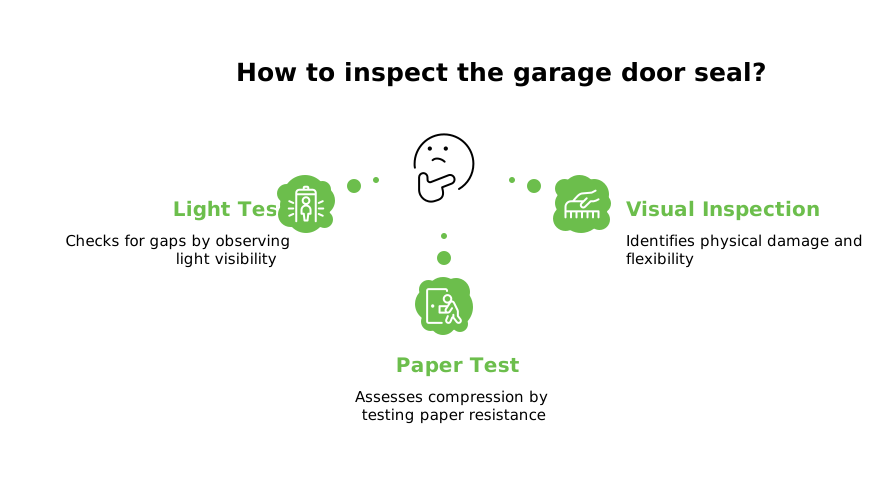
The Light Test: Close your garage door in darkness and shine a flashlight along the bottom seal from inside. If light is visible, your seal has gaps.
The Paper Test: Close the door on a piece of paper positioned along the bottom seal. Try to pull it out. If it slides out easily without resistance, your seal isn’t compressing properly.
The Visual Inspection: Look for cracks, discoloration, visible gaps, or brittleness. Run your hand along the seal—it should feel flexible and resilient, not stiff.
See why our customers trust us! Read their stories and discover how we make a difference.
When to Call a Professional
If your garage door frame is damaged, the door doesn’t close evenly, or you’ve noticed seal issues after a rodent invasion, call a professional. They can assess whether the problem extends beyond the seal.
Protect Your Home Today
Your garage door seal works hard to protect what matters. Replacing a worn seal is one of the easiest and most cost-effective preventative steps you can take. It stops pests before they become a problem, saves you money on energy bills, and protects your garage from water damage.
If you’re seeing any signs—cracks, water seepage, light showing under the door, or pest activity—don’t wait. A new rodent-proof garage door seal is an affordable investment that pays dividends.
At BrockStar Pest Services, we provide Rodent Seal Up Austin solutions as part of our full Pest Control Austin service. We help Austin homeowners keep rodents out where they belong. If you’re concerned about rodent entry points or want a professional inspection of your garage and home, reach out. We can spot vulnerabilities you might miss and help secure your home. Keep’n it local, and keep’n your home pest-free.
FAQ
Q: How often should I replace my garage door seal?
A: Most garage door seals last 3–5 years in Austin’s climate due to humidity and temperature swings. If you notice cracks, gaps, water seepage, or brittleness, replace it immediately. Regular inspections twice a year, especially before rainy season, help you catch problems early.
Q: What’s the difference between standard and rodent-proof seals?
A: Standard weatherstripping blocks drafts and water. Rodent-proof seals are thicker, more durable, and made with materials that resist gnawing and gaps. In Austin, where roof rats and house mice are constant concerns, a reinforced rodent-proof seal offers extra protection against determined pests.
Q: Can I replace a garage door seal myself?
A: Yes, most homeowners can handle bottom seal replacement in an afternoon. You’ll need basic tools—a utility knife, tape measure, and possibly a screwdriver—and a replacement seal kit. Remove the old seal, clean the channel, measure and cut the new seal, and install it.
Q: How much does garage door seal replacement cost?
A: DIY replacement typically costs $50–$150 for materials, depending on door size and seal quality. Professional installation runs $200–$500 including labor. Given that a functioning seal saves money on energy bills and prevents costly pest control or water damage repairs, the investment pays for itself quickly.
Q: What’s the fastest way to identify if my seal needs replacing?
A: The light test is quickest. Close your garage door in darkness and shine a flashlight along the bottom seal from inside. If you see light, the seal has failed. This takes less than a minute and gives you a clear answer.