Rodent problems in Austin homes are more common than you might think. From tiny house mice slipping through foundation cracks to roof rats nesting in attic spaces, rodents don’t just cause damage—they pose real health risks to your family. But here’s the good news: a professional rodent sealing service can stop them before they enter your home in the first place.
The challenge? Not all rodent sealing providers are created equal. Choosing the right one means the difference between temporary fixes and lasting protection. Let’s walk through what to look for.
Ready to seal your home? We offer rodent seal-up across Austin, Dripping Springs, Bee Cave, Lakeway, Round Rock, Buda, and Kyle. Get started today.
Understanding Rodent Exclusion vs. Other Control Methods
When you search for “rodent services near me,” you’ll find everything from traps to poisoning to full removal. But exclusion—the process of sealing entry points to prevent rodents from entering—is the foundation of any solid pest management plan.
According to the University of Florida, rodent exclusion is a cornerstone of Integrated Pest Management (IPM), which combines prevention, monitoring, and targeted treatment. Instead of playing catch-up with infestations, exclusion stops the problem at the source.
The Red Flags – Signs of Rodent Activity Your Provider Should Look For
Before sealing anything, a quality provider must thoroughly inspect your home. Here are the key areas and signs they should check:
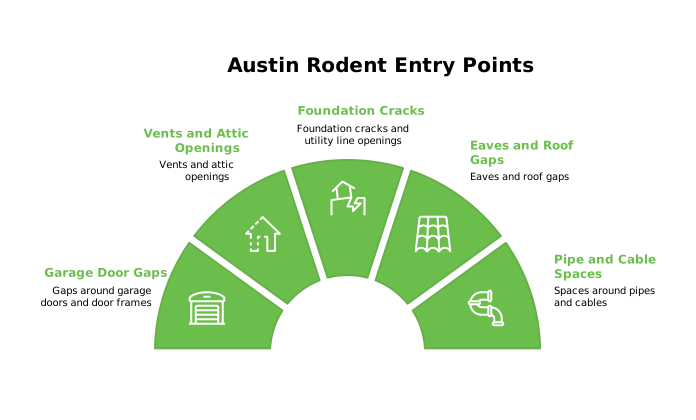
Common Austin rodent entry points include:
-
Gaps around garage doors and door frames
-
Vents and attic openings
-
Foundation cracks and utility line openings
-
Eaves and roof gaps
-
Spaces around pipes and cables
Signs of rodent activity:
Droppings, gnaw marks, and grease marks along walls are telltale indicators, and Austin homes are particularly vulnerable to house mice and roof rats. A thorough inspection identifies these signs and pinpoints where rodents are getting in.
What Separates a Quality Provider – 5 Key Qualifications to Check
1. Licensed and Insured
In Texas, pest control services operating on residential properties are required to hold valid licenses. According to the Texas Department of Agriculture, structural pest control service technicians must be licensed to apply treatments and perform exclusion work. Ask your provider to verify their license and ask about their insurance coverage—this protects both you and the technician.
2. Materials Matter
Professional-grade materials like steel wool, copper mesh, hardware cloth, and specialized rodent-proof caulk are essential. These materials resist rodent teeth far better than foam or standard caulk alone. A quality provider won’t cut corners here—cheap materials fail quickly, leaving your home vulnerable again.
3. Comprehensive Inspection Process
Before sealing a single gap, your provider should conduct a detailed inspection of your entire home’s exterior and vulnerable interior areas. This isn’t a quick walkthrough; it’s about identifying every potential entry point, no matter how small. Rodents can squeeze through openings the size of a dime, so thoroughness matters.
4. Austin Climate Expertise
Austin’s warm, humid climate creates year-round rodent activity. Local providers understand seasonal patterns, rodent behavior specific to our region, and how Austin’s unique housing styles—from older homes with foundation issues to newer construction with ventilation challenges—affect rodent vulnerability.
5. Integrated Pest Management Philosophy
Real protection goes beyond sealing gaps. A strong IPM approach also addresses rodent attractants like food sources, water leaks, and debris accumulation. Quality providers will point out these issues and recommend habitat modifications alongside exclusion work.
The Right Materials Make the Difference
Here’s a hard truth: standard caulk and expanding foam alone won’t stop rodents. They can chew through these materials in weeks.
Professional rodent-proofing uses materials like steel wool (which rodents cannot chew through), copper mesh, and specialized pest-proof caulks. These materials are combined strategically—steel wool inside a gap, caulk on top, and hardware cloth over larger openings. This layered approach creates barriers rodents simply cannot penetrate.
The Exclusion Process – What to Expect
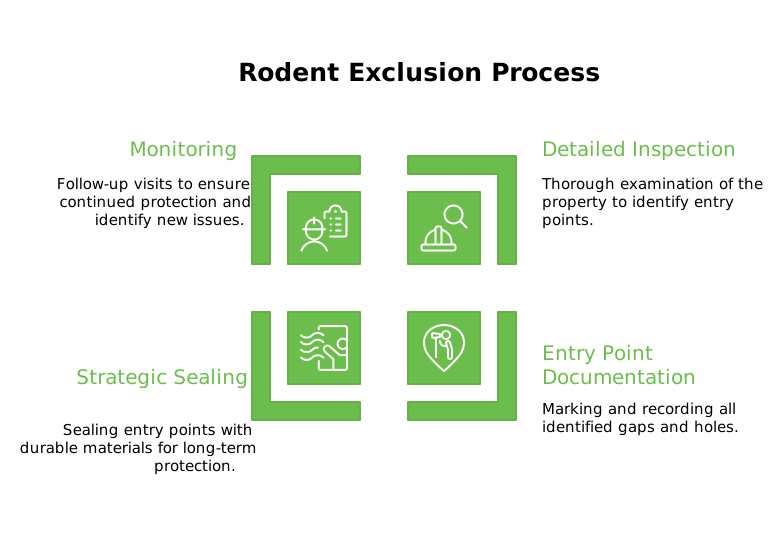
A professional rodent sealing service follows a proven process:
-
Detailed Inspection – The technician surveys your home’s exterior, foundation, roof, vents, and entry points.
-
Entry Point Documentation – All gaps and holes are identified and marked.
-
Strategic Sealing – Entry points are sealed with appropriate materials, combined for maximum durability.
-
Monitoring – A quality provider may recommend follow-up visits to check for new gaps or material degradation.
This isn’t a one-and-done service; it’s a partnership in long-term protection.
How Long Does Rodent Sealing Last?
Durability depends on materials and maintenance. According to pest control experts, steel mesh and hardware cloth can last 10 or more years, while caulks and foam typically hold up for 2 to 5 years. Regular inspections help catch deterioration early, especially after Austin’s harsh weather seasons.
See what our happy customers are saying! Read real reviews and discover why homeowners trust us.
Why Choose BrockStar for Your Rodent Sealing Services
At BrockStar, we understand Austin homes and the unique rodent challenges they face. Our team specializes in rodent seal up Austin, offering professional exclusion services as part of our comprehensive Austin pest control solutions. Licensed in Texas and trained in Integrated Pest Management principles, we don’t just seal gaps—we inspect, educate, and protect your home for the long term.
Whether you’re dealing with an active infestation or want to prevent problems before they start, BrockStar brings local expertise, quality materials, and proven methods to keep rodents out of your Austin home.
Frequently Asked Questions
1. How do I know if my home has rodent entry points?
Look for droppings, gnaw marks, strange odors, or scratching sounds in walls and attics. However, many entry points are hidden or too small to spot without professional help. A trained inspector can identify gaps you’d never notice on your own, especially around utility lines, vents, and foundation areas.
2. What’s the difference between rodent exclusion and extermination?
Exclusion is prevention—sealing your home to stop rodents from entering. Extermination deals with rodents already inside. The best pest management approach uses both: exclusion to prevent future invasions and removal or trapping for current infestations.
3. Can I seal entry points myself, or do I need a professional?
While small, obvious gaps can be sealed with hardware cloth and caulk, professionals have advantages: they identify hidden entry points, use professional-grade materials rodents can’t chew through, and know which combinations of materials work best for different gaps. DIY attempts often miss critical access points.
4. How often should I have my home inspected for new gaps?
Annual inspections are recommended, especially after harsh weather or if you notice new rodent signs. Since some materials degrade over time, particularly in Austin’s heat and humidity, regular check-ups help catch problems early.
5. What should I do if I already have an active rodent infestation?
Contact a professional immediately. Active infestations need removal and treatment before exclusion work, otherwise you’ll trap rodents inside your home. A professional pest control provider can assess your situation and recommend the right combination of removal and prevention strategies.