When fall and winter arrive in Austin, rodents don’t just become a possibility—they become an invitation. As temperatures drop, rats, mice, and other vermin move indoors seeking warmth and food sources. The problem? Most homeowners don’t realize they’re making costly mistakes before they ever pick up the phone to call a professional.
If you’re dealing with signs of rodent activity or want to prevent an infestation altogether, understanding these common mistakes will save you time, money, and frustration. Let’s break down what homeowners in Austin get wrong—and how to get it right.
Protect your garage and property from rodents! We offer rodent seal up services across Austin, Dripping Springs, Bee Cave, Lakeway, Round Rock, Buda, and Kyle. Book us today!
Mistake #1: Focusing Only on Visible Entry Points
The biggest mistake homeowners make is thinking they can spot all the ways rodents are getting inside. You find one hole near your garage, seal it, and assume you’re done. But here’s the reality: rodents can squeeze through openings as small as a quarter of an inch, and they’re experts at finding hidden gaps you’d never notice.
While you’re looking at the obvious damage, you’re likely missing entry points in less obvious places. Roof vents, soffit gaps, foundation cracks, areas around pipes and utility lines, eaves, chimneys, and even attic access points are all prime real estate for rodents. In Austin homes, especially older ones, window seals, door frames, and crawl spaces are frequent culprits.
The telltale sign you’ve missed entry points? Greasy rub marks left on walls and floors from the oil rodents’ bodies secrete, along with visible burrows in wood, drywall, or attic insulation. A professional inspection catches what your eyes miss.
Mistake #2: Using Weak Materials for DIY Sealing
You’re motivated. You head to the hardware store and grab caulk, expandable foam, and plastic mesh. You spend your Saturday sealing gaps. Problem solved, right?
Not even close.
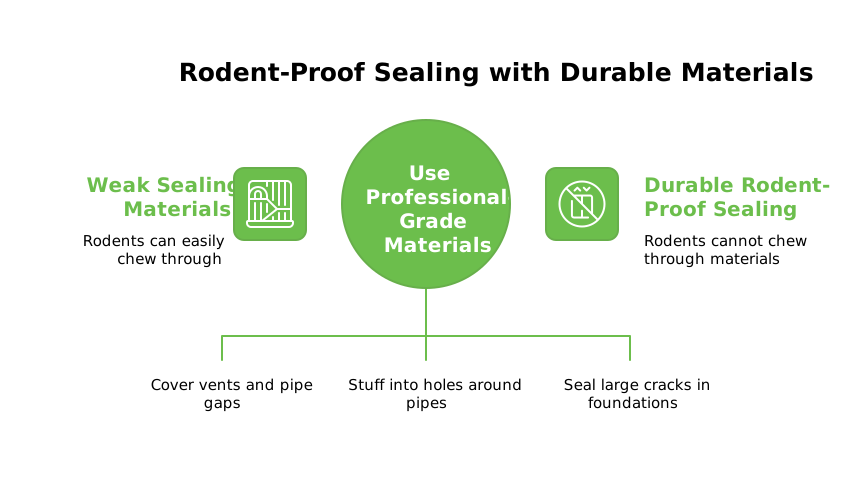
Here’s the uncomfortable truth: rodents can gnaw through wood, caulking, and expandable foam, so these materials are not as durable as needed for long-term rodent-proof sealing. Your weekend project might keep them out for a few weeks, but their sharp teeth will eventually break through.
Professional-grade materials include steel mesh, steel wool, wire mesh, and weather-resistant barriers that rodents can’t chew through. Steel wool is particularly effective for stuffing into holes around pipes and utilities because rodents cannot chew through it. Wire mesh with small enough openings can cover larger areas like vents and gaps around pipes, and cement provides a durable, long-lasting solution for sealing larger cracks in foundations and walls.
Using the wrong materials doesn’t just fail—it trains rodents to keep trying. Once they’ve chewed through your foam once, they know it’s passable.
Mistake #3: Relying on Traps and Poison Instead of Exclusion
You’ve noticed rodent droppings in your kitchen. Your first instinct? Set traps. Buy poison. Deal with it now.
This approach feels proactive, but it’s actually reactive—and ineffective long-term. Traps only remove current rodents but don’t prevent new ones from entering your home. And here’s the problem with reproduction rates: new rodents keep finding their way in through unsealed entry points faster than traps can catch them.
Poison comes with its own dangers. Dead rodents often end up in inaccessible walls, creating odor problems that can last for weeks. There’s also the risk to your family and pets if they accidentally access poison, and the ethical and environmental concerns of using toxic chemicals.
Rodent exclusion—the process of sealing off entry points—addresses the root cause instead of treating symptoms. It creates a long-term barrier that prevents future infestations entirely. Think of it this way: traps and poison are like mopping up a flood while leaving the pipe broken. Exclusion is fixing the pipe.
Mistake #4: Neglecting Early Warning Signs
Most homeowners ignore the early signs of rodent activity, thinking it’s a minor problem. But droppings, greasy rub marks, gnaw damage, and urine stains aren’t just gross—they’re red flags that demand immediate attention.
You might also hear nocturnal scratching sounds in walls or attics. These are rodents actively using your home as their personal highway. The fact that you’re hearing them means they’ve already established entry points and are comfortable enough to move around.
Why does early detection matter? In Austin’s cooler months, rodent populations grow rapidly because fewer food sources are available outdoors, pushing them inside to seek warmth and nourishment. One pair of rodents can quickly become dozens. Addressing the problem in week one is infinitely easier than addressing it in month three.
Mistake #5: Delaying Professional Help
This is the mistake that costs homeowners the most—in money, stress, and home damage.
Every day you delay, rodents are actively damaging your property. They chew on electrical wiring (creating fire hazards), gnaw through insulation, damage wood, and compromise the structural integrity of attics and crawl spaces. The longer they’re inside, the worse the damage gets.
Rodent exclusion services are cost-effective because the cost of exclusion is much less than the cost of repairing damage caused by rodents. A professional seal-up now prevents thousands in repairs later. Plus, there are health risks to consider: rodents spread diseases like hantavirus and salmonellosis, and their presence exacerbates allergies and asthma.
What Professional Rodent Sealing Includes
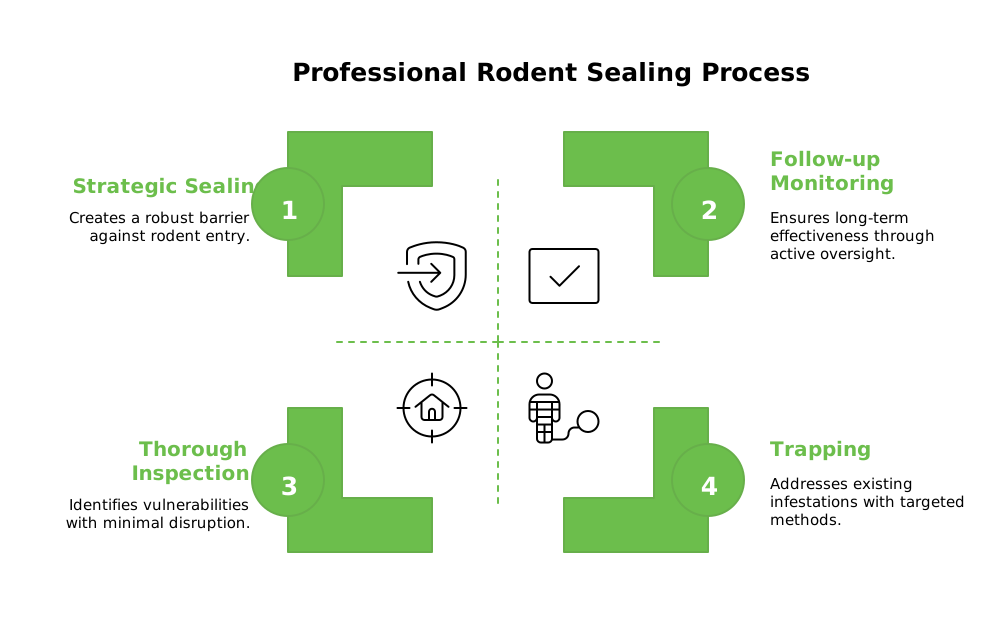
When you hire a professional service like BrockStar Pest Services, here’s what happens:
Thorough Inspection: Professionals inspect both the exterior and interior of your home, looking for signs of rodent activity and all potential entry points. This includes checking high-entry hotspots like roof rafters, gables, eaves, door frames, window seals, foundation areas, crawl spaces, and attic vents.
Strategic Sealing: Once entry points are identified, professionals seal them with durable, rodent-proof materials. This isn’t a quick patch job—it’s a comprehensive barrier designed to last.
Monitoring and Follow-Up: Professional services include follow-up monitoring to ensure the exclusion methods are working effectively. If you had an active infestation, trapping may be combined with sealing to remove existing rodents while preventing new ones from entering.
See why our customers trust us! Read their stories and discover how we make a difference.
Protecting Your Austin Home Starts Now
Austin’s warm climate and ongoing development create perfect conditions for rodents year-round, but the cooler months are when homeowners see the most activity. By understanding these five common mistakes, you’re already ahead of most homeowners.
The best time to seal your home is before an infestation happens. If you’re already seeing signs of rodent activity, the second-best time is today. BrockStar Pest Services specializes in professional rodent seal-up Austin and comprehensive pest control Austin, offering thorough inspections and durable solutions that keep rodents out for good.
Don’t let another day go by hoping the problem goes away on its own. Contact BrockStar today to schedule your consultation and protect your home the right way.
Frequently Asked Questions About Rodent Sealing
1. Can I handle rodent sealing on my own?
While you can identify some obvious gaps, professional rodent sealing requires expertise to find hidden entry points and knowledge of proper materials. DIY attempts often use weak materials like caulk and foam that rodents can chew through. Professionals use steel mesh, steel wool, and weather-resistant barriers that actually stop rodents long-term. If you want lasting protection, professional sealing is worth the investment.
2. What is the best time to seal entry points in Austin?
Austin experiences peak rodent activity during cooler months as temperatures drop and outdoor food sources become scarce. The best time to seal is before fall and winter arrive—or immediately if you’ve already noticed signs of activity. Early action prevents infestations from starting in the first place.
3. How long does a professional rodent seal-up service take?
The time depends on the size of your home and the number of entry points, but most homes can be fully inspected and sealed within a few hours. A professional team works efficiently to minimize disruption to your daily life while ensuring every vulnerable area is addressed.
4. What materials are most effective for rodent-proof sealing?
Steel wool, wire mesh, and cement are the most effective materials because rodents cannot chew through them. For smaller holes and cracks, steel wool is ideal, while wire mesh works well for covering larger openings like vents. Professionals choose materials based on the specific location and size of each entry point to ensure maximum effectiveness.
5. Will rodent sealing work if I already have an active infestation?
Yes, but it works best when combined with trapping and removal. Sealing prevents new rodents from entering, but if you already have an active infestation, professionals will combine seal-up with trapping and removal services to fully resolve the issue. Once all rodents are removed and entry points are sealed, your home is protected from future invasions.