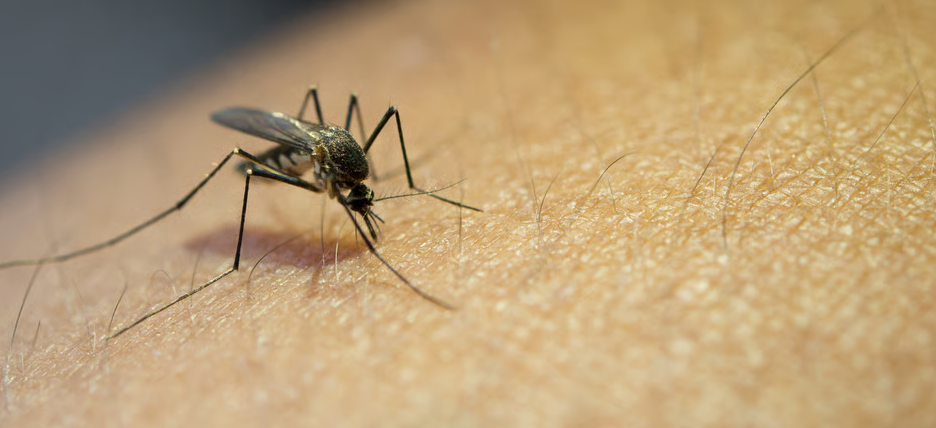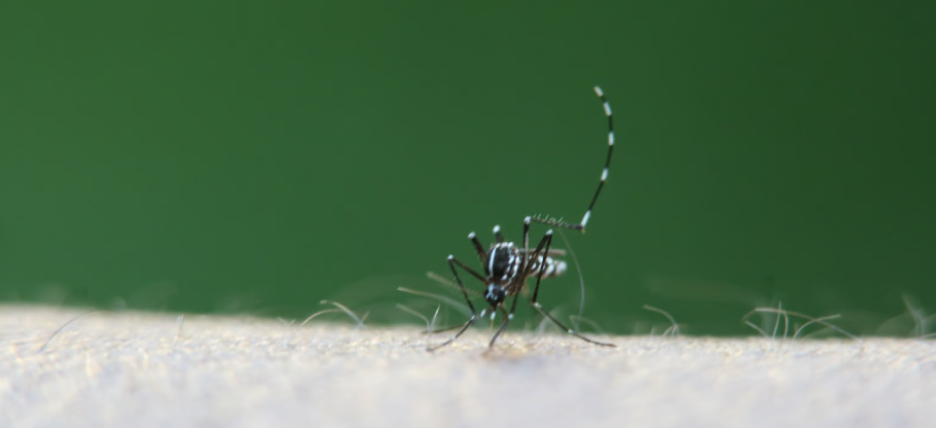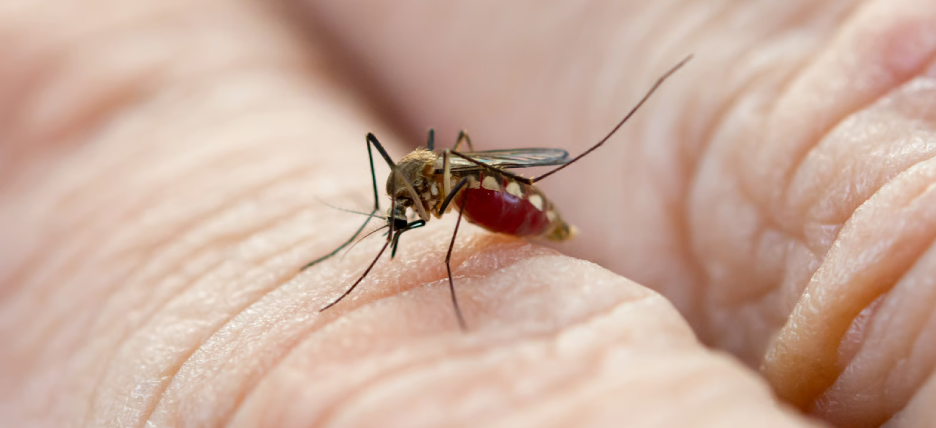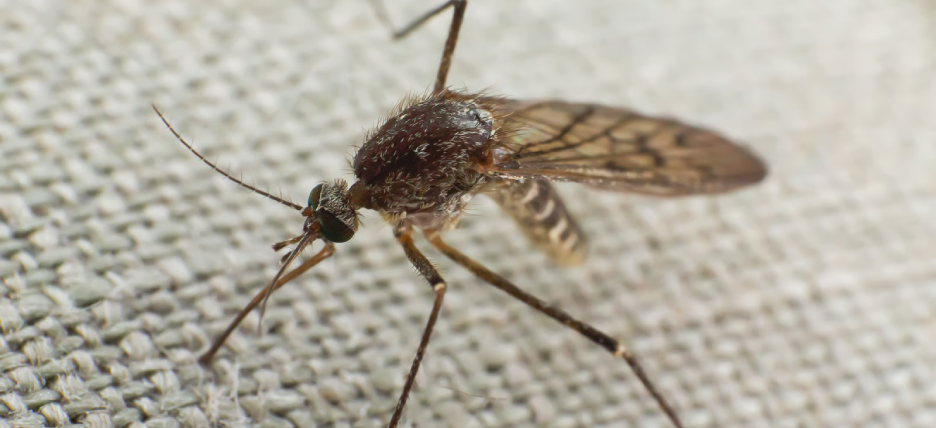
If your backyard in Central Texas turns into a mosquito buffet the second you step outside, you are not alone. The best mosquito control for a yard is a simple, layered plan: remove breeding water every week, cut down shady hiding spots, protect people during peak bite times, and call a pro when the problem is bigger than one property.
Why the weekly part matters: common container-breeding mosquitoes can go from egg to adult in about 7 to 10 days in warm weather (CDC).
We provide expert mosquito control across Austin, Dripping Springs, Bee Cave, Lakeway, Round Rock, Buda, and Kyle. Protect your yard today!
Step 1: Remove breeding water (this is the make-or-break step)
Mosquitoes do not need a pond. Texas health officials warn that mosquitoes can breed in as little as a tablespoon of water, and they recommend emptying or removing water-holding containers at least weekly (Texas DSHS).
A 10-minute “dump-and-drain” loop
Walk your yard and hit these spots first:
- Buckets, toys, plant saucers, wheelbarrows, and tarps that hold water
- Clogged gutters and downspouts
- Pet bowls or water dishes
- Anything that collects water near patios and doorways
Fix the “hidden water” you cannot see from the patio
Check:
- Low spots where irrigation or rain leaves soggy ground
- Drainage areas that hold water instead of moving it
- Outdoor storage corners where stuff sits all season
Step 2: Make your yard less inviting (shade is their hangout)
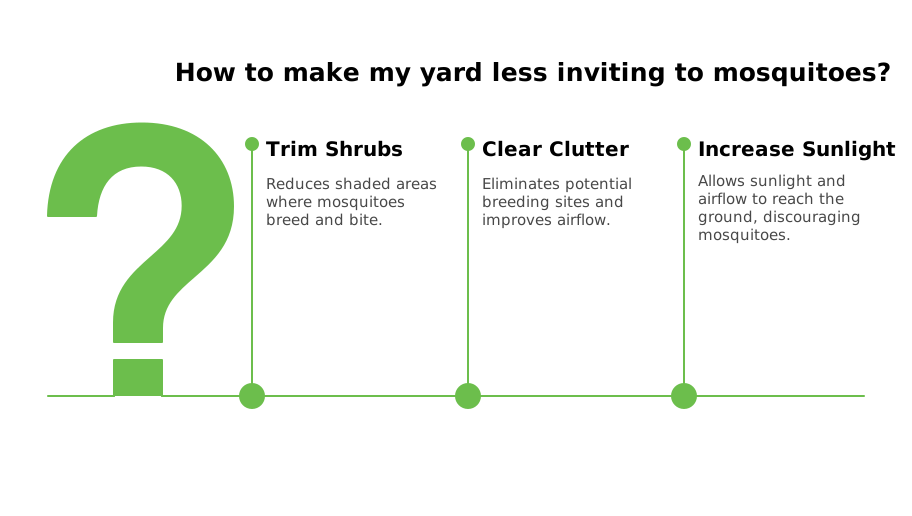
Some nuisance mosquitoes bite during the day, and the day-biters that breed in containers often bite more in shaded areas (University of Georgia Extension).
Quick yard tweaks that help:
- Trim shrubs away from walkways and seating areas
- Clear leaf piles and yard clutter
- Let sunlight and airflow reach the ground near patios
Step 3: Use airflow to your advantage
Mosquitoes are weak fliers, and research has shown that fan-generated wind can sharply reduce mosquito catches in traps, which helps explain why moving air around a seating area can cut down landings.
A simple setup:
- Point a box fan so air moves across knees and ankles (prime bite zones)
- Turn it on a few minutes before you sit down
- Combine it with the weekly yard loop for best comfort
What not to rely on in a Texas yard
Bug zappers
A study highlighted by Iowa State University Extension found only 31 out of 13,789 trapped insects were biting flies (which includes mosquitoes), while many harmless or helpful insects were killed.
Traps without neighborhood buy-in
Some backyard traps can help with certain container-breeding species, but Penn State Extension notes they tend to work best when a large share of homes in a neighborhood use multiple traps, not just one yard acting alone (Penn State Extension).
Protect people when you are outside
Most mosquitoes are active around twilight and at night, but some common “around-the-home” species bite during the day too.
Choose personal protection that is science-based
If you want a repellent option, use the EPA tool to pick an EPA-registered product for mosquitoes and follow the label directions (US EPA).
Keep mosquitoes out of the house
Williamson County and Cities Health District highlights mosquito prevention as part of its community vector program, including practical steps that keep bites down around homes (WCCHD).
Keep pollinators in mind
You can protect people from mosquitoes while also protecting pollinators when you lean on source reduction, smart timing, and targeted decisions.
See what our happy customers are saying! Read real reviews and discover why homeowners trust us.
When it is time to call a pro in Central Texas
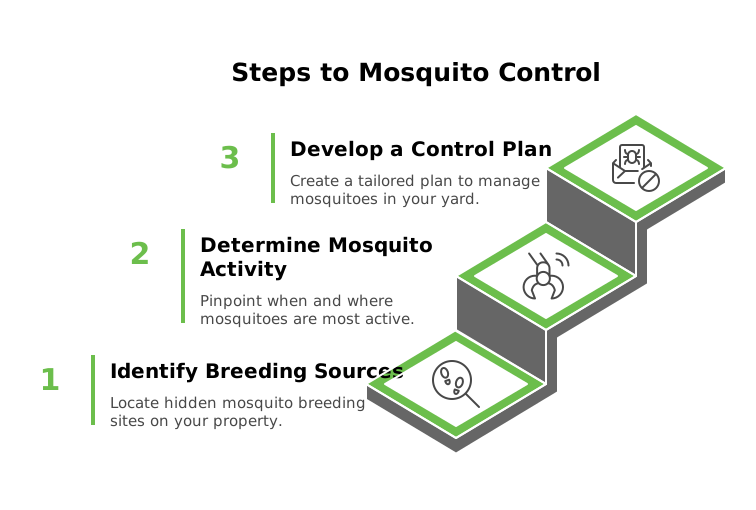
If you are doing the weekly yard loop and still getting swarmed, the breeding site may not be obvious or may be coming from nearby. A large research review shows mosquito flight distance varies widely by species, from tens of meters to many kilometers, so sources are not always only “your yard”.
A pro can help by:
- Inspecting the property for hidden breeding sources you missed
- Pinpointing where mosquitoes are coming from and when they are most active
- Building a plan that matches your yard, pets, and outdoor habits
If you are in the Austin area and want local help, BrockStar offers mosquito control across nearby communities, Contact us today!
FAQ
1) How often should I look for standing water?
San Luis Obispo County Public Health recommends dumping standing water at least once a week to cut down breeding at home (SLO County Public Health).
2) Do mosquitoes breed in swimming pools?
Pools that are kept maintained are much less likely to breed mosquitoes, but neglected “green” pools can become major breeding sources, according to county vector control guidance (San Diego County).
3) Are mosquito traps a good idea?
The American Mosquito Control Association notes it is unclear whether some traps might draw mosquitoes into an area where people then become a stronger attraction (American Mosquito Control Association).
4) What should I do right after a big rain?
Public health guidance for preventing mosquito breeding in pools and yards focuses on removing standing water and keeping water features in good working order.
5) Is it ever okay to ignore mosquitoes as “just annoying”?
Mosquitoes are more than a nuisance because mosquitoes can spread illness, which is why public health groups treat mosquito prevention as a community issue (World Health Organization).