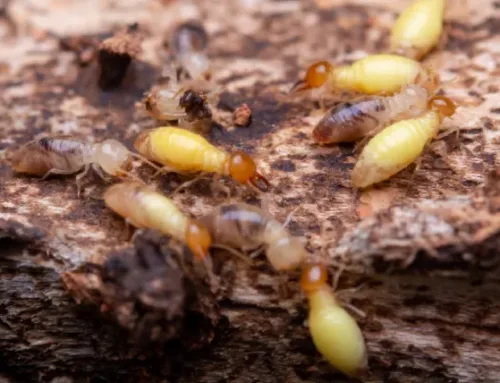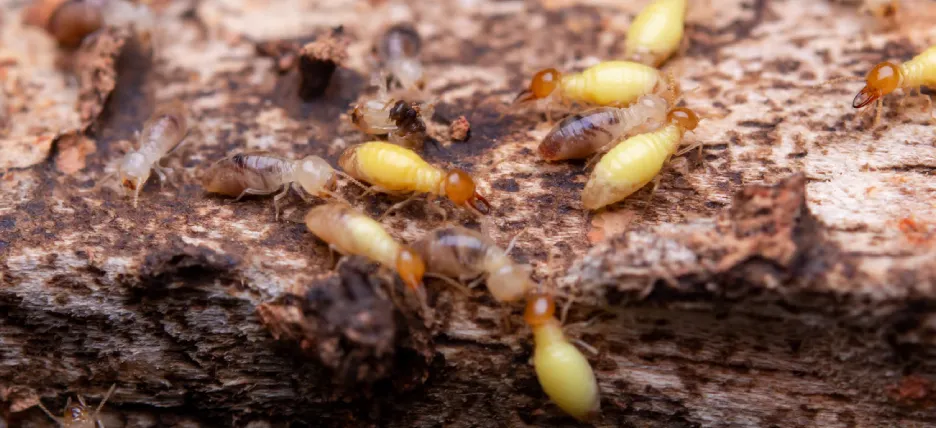
Austin termites don’t knock. They just show up, set up shop, and hope you never notice.
If you’ve spotted mud tubes, suspicious wood, or you’re on a real estate deadline, this guide will help you understand what subterranean termites look like, how they get into slab homes around Austin, what treatment paths usually make sense, and what you can do to lower risk.
And when you’re ready to stop guessing, book our Termite Control Austin with BrockStar for termite control in Austin.
We provide expert termite control across Austin, Dripping Springs, Bee Cave, Lakeway, Round Rock, Buda, and Kyle. Protect your home today!
Subterranean termites in Austin: the quick basics
Subterranean termites live in the soil and travel to wood using protective “shelter tubes,” which is why you’ll often find evidence around foundations and entry points (Texas A&M AgriLife fact sheet on subterranean termites).
What that means for homeowners and landlords: they can be active outside your living space first—then move in when conditions are right.
Signs of subterranean termites (what to look for)
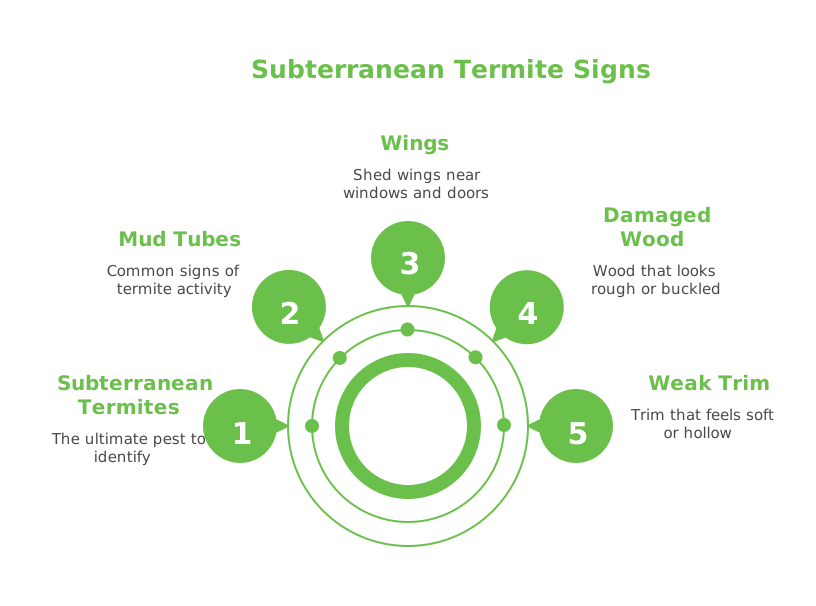
You don’t need a microscope. You just need to know where to look.
Mud tubes
Mud tubes are one of the most common “tell-tale” signs. They can look like thin, dried-up dirt lines running up a foundation wall or along a garage corner.
Other clues homeowners notice
- Wings near windowsills or door frames
- Wood that looks rough, buckled, or “off” in spots
- A patch of trim or baseboard that suddenly doesn’t feel solid
What can look similar (but isn’t termites)
Not every dirt line is a mud tube, and not every winged bug is a termite. If you’re unsure, the safest move is a professional inspection—especially if you’re buying, selling, or managing a rental.
Slab entry points: how subterranean termites get inside
Many Austin-area homes are built on slabs, so we pay extra attention to the places termites can use like a highway ramp.
Common slab entry routes include:
- Hairline cracks and expansion joints
- Utility and plumbing penetrations
- Garage edges and slab transitions
Purdue Extension notes that slab-constructed buildings often require attention to soil areas beneath and alongside the slab during treatment planning (Purdue Extension overview of termite control and slab treatment).
How BrockStar handles termite control: inspection first, then the right plan
Around here, we don’t lead with a one-size-fits-all pitch. We start with the facts on your property.
Step 1: Termite inspection + risk check
We check the perimeter, key interior areas, and the classic trouble spots (foundation line, garages, plumbing zones, and wood-to-soil contact).
Step 2: Treatment plan matched to the home
If we find signs or high-risk conditions, we’ll explain what’s going on in plain English and lay out the next steps.
If your inspection is tied to a real estate transaction, Texas uses an official Wood Destroying Insect (WDI) report form to document visible evidence and conditions that can contribute to infestation (Texas Department of Agriculture T‑5 WDI report).
Best treatment options for subterranean termites
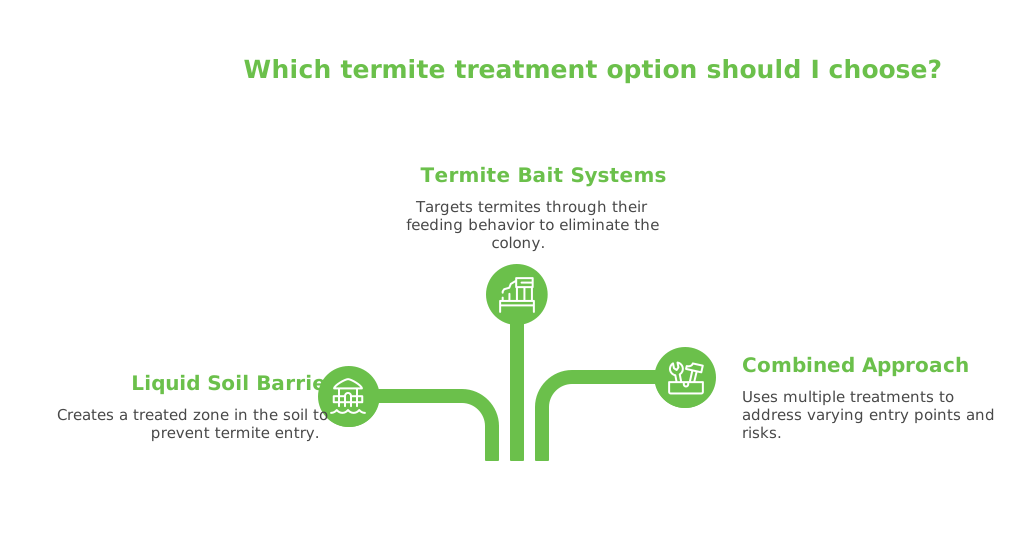
The “best” treatment depends on your home’s layout, what we find during inspection, and how termites may be accessing the structure.
Liquid soil barrier treatments
These treatments focus on creating a treated zone in the soil where termites travel, typically around the foundation and other key access areas.
Termite bait systems
Bait systems are another common path. They’re designed to be placed strategically so termites can share the bait back to the colony.
Virginia Tech’s Extension publication explains that baiting targets termites through their feeding behavior rather than relying only on a treated soil zone (Virginia Tech subterranean termite treatment options).
When treatments may be combined
In some situations, a combination approach can make sense—especially when entry points and risk conditions vary around the structure.
Prevention tips for Austin homes and rentals
You can’t change the fact that termites live in Texas soil. But you can make your place less inviting.
The EPA recommends staying alert for termite signs and reducing conditions that help them thrive around structures (EPA guidance on identifying and controlling termites).
Here are practical moves that help:
- Keep moisture under control (leaks, drainage, wet spots near the foundation)
- Keep wood from touching soil when possible (trim, posts, stored lumber)
- Don’t stack mulch or soil high against the exterior wall
- For rentals: do a quick perimeter check between tenants and after heavy rain
Real estate and rentals: what buyers, sellers, and landlords should know
If you’re on a timeline, the smartest move is to plan early. Inspections and documentation are smoother when access is clear and concerns are flagged up front.
For landlords, the goal is simple: catch warning signs early and keep moisture and wood-to-soil contact under control.
See what our happy customers are saying! Read real reviews and discover why homeowners trust us.
Ready to stop guessing? Book our Termite Control Austin
Whether you’re seeing mud tubes, prepping to list a home, or managing a rental, BrockStar can help you get clarity and a plan.
When you reach out, it helps to share:
- Your location (Austin or nearby)
- Anything you’ve noticed (mud tubes, wings, moisture issues)
- Whether you’re on a real estate deadline
Book our Termite Control Austin and let’s kick those unwelcome guests out.
FAQ
1) Are mud tubes always a sign of an active termite problem?
Mud tubes are a strong warning sign, but activity can vary by location and season. If you see anything tube-like on a foundation or in a garage corner, the safest next step is an inspection so we can confirm what it is and what it means for your home.
2) How do subterranean termites get into slab homes around Austin?
They usually take advantage of small gaps and transitions where slabs meet soil or where utilities pass through. During an inspection, we focus on those common entry areas and the conditions that make them easier to use.
3) Which is better—bait systems or a liquid barrier?
Neither is “best” for every home. The right choice depends on what we find, how the structure is built, and where termites appear to be traveling. We’ll walk you through the options in plain language so you can choose a plan you’re comfortable with.
4) What should landlords do between tenants to lower termite risk?
Do a quick perimeter check, watch for moisture issues, and keep storage and wood materials off the ground near the building. If there’s been plumbing work or water damage, it’s smart to schedule an inspection to make sure nothing else moved in.
5) What happens after treatment—and what can I do to keep risk down?
After service, the key is consistency: fix leaks, improve drainage, and keep wood from sitting against soil. If you ever notice new tubes, wings, or moisture problems, reach out right away so we can re-check the areas that matter.