If you’ve ever walked outside on a warm evening and thought, “Why are there so many winged bugs right now?”—welcome to swarm season.
In Austin (and nearby spots like Round Rock, Buda/Kyle, and Dripping Springs), termite swarmers can show up fast after weather changes. The good news? Seeing swarmers doesn’t always mean your home is already damaged. The not-so-fun news? It does mean it’s time to pay attention—especially if you’re thinking about termite control in Austin.
Let’s break down when termites fly in Austin, what swarmers mean, and what you should do right away.
We provide expert termite control across Austin, Dripping Springs, Bee Cave, Lakeway, Round Rock, Buda, and Kyle. Protect your home today!
What “swarm season” means in Austin
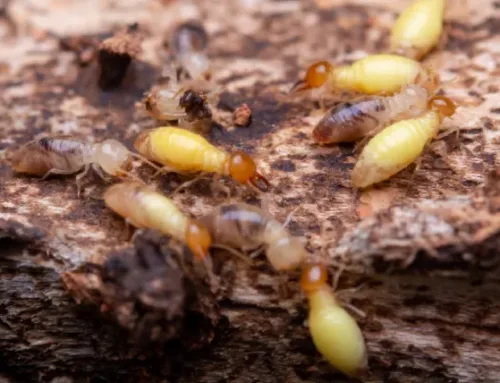
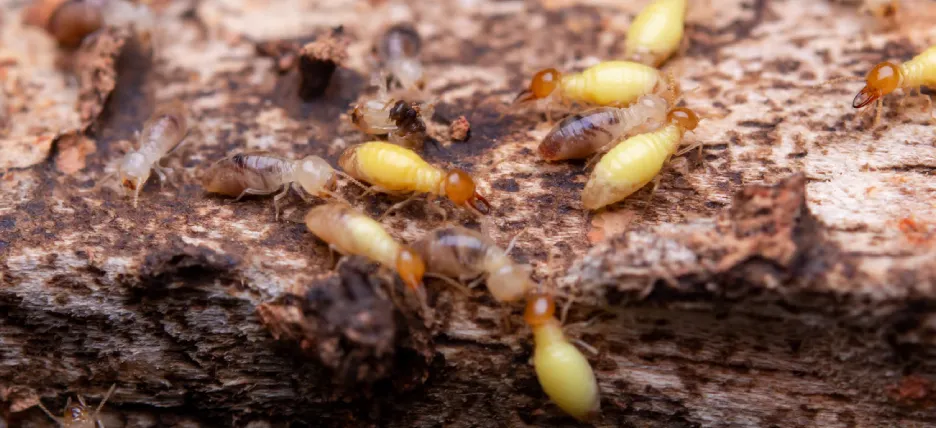
A termite colony doesn’t send out winged termites for fun. Those winged termites (called “swarmers”) are the colony’s way of starting new colonies.
In Texas, winged reproductives commonly swarm in spring—often after rain, when conditions are warm and right for flight (Texas A&M field guide).
Swarmers vs. flying ants (quick ID checklist)
Austin gets plenty of flying ants, too. Here’s a quick way to tell who’s who:
- Antennae: termites are straight; ants are elbowed
- Waist: termites look more “tube-shaped”; ants have a pinched waist
- Wings: termites have two pairs that look similar in size; ants usually have bigger front wings
That side-by-side comparison is shown clearly by the University of Maryland Extension (how to tell termites from flying ants).
Pro tip: If you can safely grab one (or snap a clear photo), get a close-up of:
- the wings
- the antennae
- the body “waist”
That makes an inspection call a whole lot easier.
When termites fly in Austin and nearby
Termite flights can vary by species and weather, but in Central Texas you’ll often notice swarms during the warmer parts of the year.
The most common timing windows
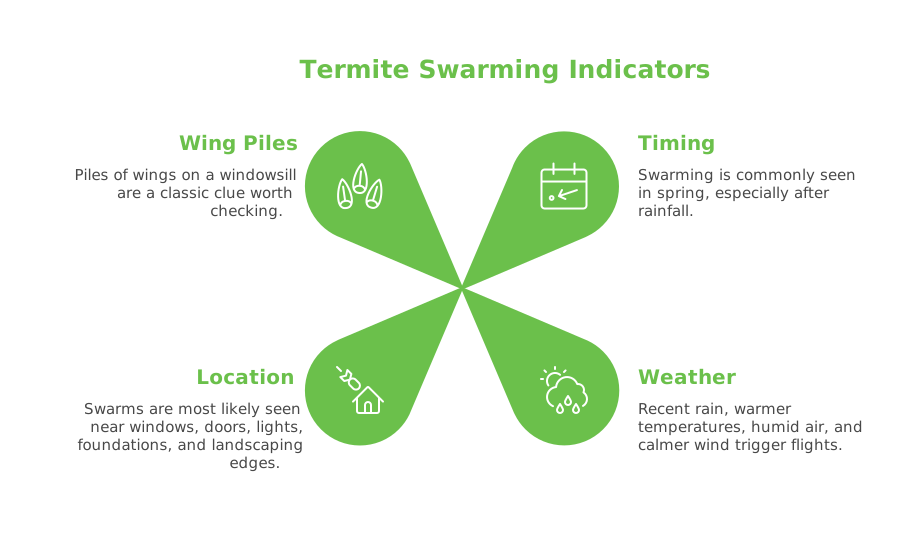
In Texas, swarming is commonly seen in spring, especially after rainfall when conditions are right for flight (Texas A&M field guide).
Weather triggers that kick off flights
If you want a simple “why today?” checklist, look for:
- a recent rain
- warmer temperatures
- humid air
- calmer wind
That combo is basically a green light for swarmers.
Where you’re most likely to see swarms
Most people notice swarmers:
- near windows and doors
- around porch lights and streetlights
- along foundations and landscaping edges
If you’re seeing piles of wings on a windowsill, don’t ignore it. That’s a classic clue worth checking.
If you saw termites flying, do this right now
No panic. No hero moves. Just do the smart stuff.
5-step “don’t panic” checklist
- Close doors and windows (helps keep stragglers from drifting inside).
- Turn off exterior lights for the night (lights can attract swarming insects).
- Vacuum up wings and swarmers and toss the bag outside.
- Write down where you saw them (room + window/door + time).
- Don’t spray everything blindly. You want a clear picture of what’s going on before treatment decisions.
When a swarm is “outside only” vs. “inside the home”
- Outside swarm near your home: could be a nearby colony in the area.
- Swarmers indoors (or piles of wings inside): that’s more concerning.
Purdue Extension puts it bluntly: finding winged termites inside a structure is a strong sign the building is infested (Purdue Extension HN-61).
What an inspection looks like after a swarm
A “post-swarm” inspection isn’t just someone peeking around with a flashlight.
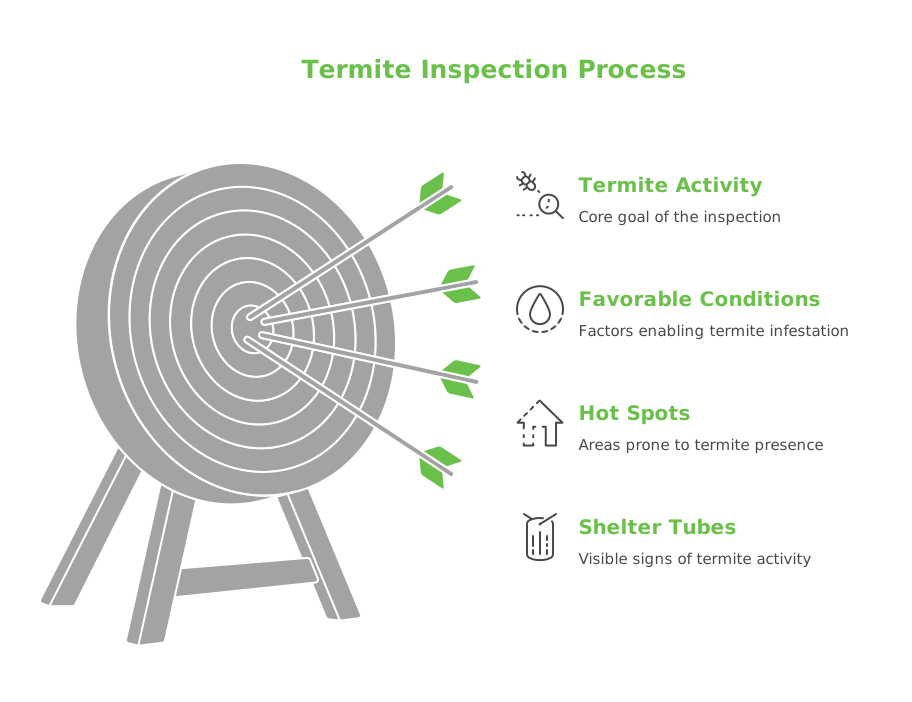
It’s focused on answering two questions:
- Are termites active on this structure?
- What conditions make it easier for termites to move in?
What pros look for (beyond the flying bugs)
Expect a thorough look at common termite hot spots, including:
- foundation edges
- plumbing penetrations
- wood-to-soil contact points
- moisture-prone areas
- visible shelter tubes (mud tubes)
WDI inspections vs termite control inspections (what’s different)
If you’re buying or selling a home, you may need a WDI report.
Texas uses an official form for WDI inspections, and the state’s report language highlights that inspections are based on what’s visible at the time and also note conditions conducive to wood-destroying insects (Texas Official WDI Report – Texas Department of Agriculture).
In plain terms:
- A WDI inspection is documentation-focused (often tied to real estate).
- A termite control inspection is action-focused (what’s needed to protect the home).
Why timing matters after a swarm
A recent swarm can help pinpoint:
- where swarmers showed up
- when it happened
- whether there are repeat patterns
That’s useful info for planning next steps.
Common Austin mistakes that invite termites
Austin homes don’t need to be “dirty” or neglected to attract termites. Termites are after food (wood) and moisture.
Moisture + wood contact quick fixes
These small changes can help reduce risk:
- keep mulch from piling up against siding
- store firewood off the ground and away from the house
- fix dripping spigots and slow leaks
- improve drainage so water doesn’t sit near the foundation
“Should I DIY?” (when it’s OK and when it’s not)
If you’re just trying to reduce attractants (like moisture issues), DIY fixes can help.
But for treatment decisions, it’s smart to use licensed pros. The U.S. EPA notes that soil barrier termite treatments must be done correctly and that hiring a trained, licensed pest professional helps avoid problems like contamination and ineffective control (EPA termite guidance).
See what our happy customers are saying! Read real reviews and discover why homeowners trust us.
Ready to act? Book Termite Control in Austin
If you saw swarmers indoors, found piles of wings inside, or you’re in a real estate timeline, it’s time to get eyes on the situation.
Book our Termite Control Austin.
FAQ (5 questions)
1) How long does termite swarm season last in Austin?
Swarming often shows up in waves instead of one long stretch. In Texas, swarms are commonly noticed in spring, especially after rain when conditions are right for flight (Texas A&M field guide).
2) Are termite swarmers the same as the termites that damage wood?
No—swarmers are the winged reproductives, while most damage is done by hidden worker termites. Swarmers are mainly a sign that a colony is trying to expand (Purdue Extension HN-61).
3) What’s the fastest way to tell termites from flying ants?
Check the wings and antennae. Termites typically have straight antennae and wings that look similar in size, while flying ants have elbowed antennae and mismatched wing sizes (University of Maryland Extension guide).
4) Do you offer termite control and WDI inspections around Austin?
Yes—BrockStar Pest Services provides termite control and WDI inspections for Austin and nearby communities, and also works with both residential and commercial properties.
5) Should I spray something right away if I see swarmers?
Spraying can make it harder to understand what’s happening and doesn’t replace a real treatment plan. The EPA explains that termite treatments like soil barriers and baits need to be done correctly, and hiring trained professionals helps ensure safety and effectiveness (EPA termite guidance).