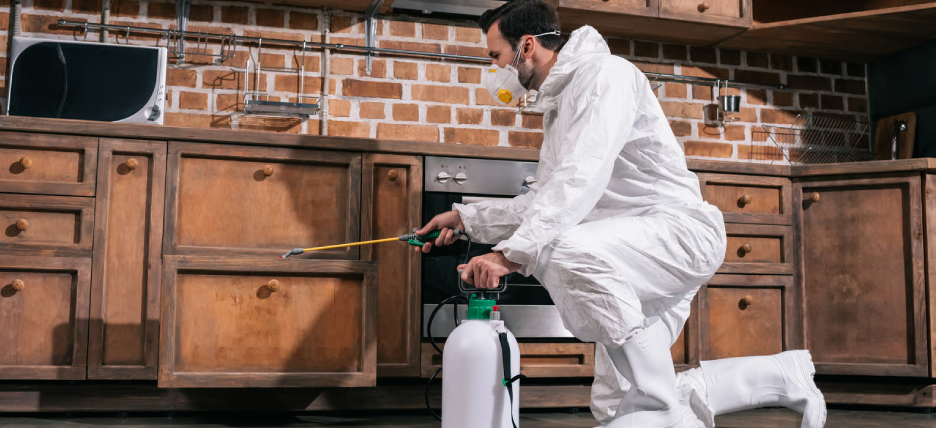
Austin homes come in all shapes—pier-and-beam, slab, older builds, newer builds—and termite control in Austin isn’t one-size-fits-all.
What does stay the same: the best plan matches the termite type, the structure, and where the termites are actually active.
Below is a neutral, plain-English comparison of the main termite treatment options you’ll hear about around Austin.
We provide expert termite control across Austin, Dripping Springs, Bee Cave, Lakeway, Round Rock, Buda, and Kyle. Protect your home today!
Quick answer: how pros usually match treatment to the problem
Termite control typically falls into a few big buckets—soil-applied liquid barriers, bait systems, localized treatments (like foam and spot work), and whole-structure options—and the “right” pick depends on what’s found during inspection and where termites are traveling. (US EPA)
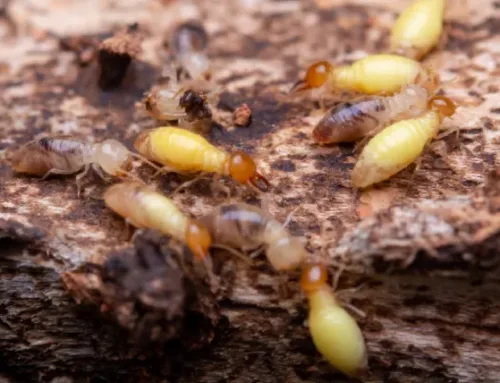
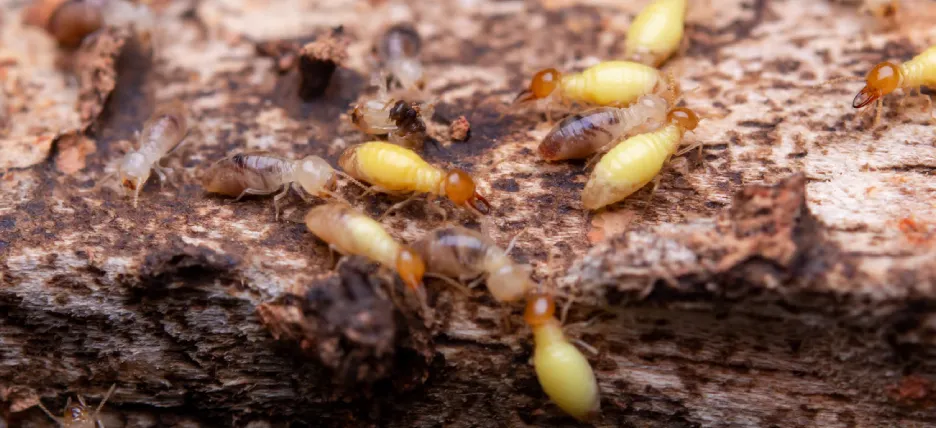
First, know what you’re treating: subterranean vs. drywood termites
This matters because the treatments don’t behave the same.
- Subterranean termites usually connect back to the soil.
- Drywood termites can live in wood above ground without soil contact, and signs can include pellet-like droppings (frass) and indoor swarms. (Texas A&M AgriLife Extension)
If you’re not sure which you’re dealing with, that’s normal—identification is a key part of why inspections matter.
Liquid soil barrier treatments
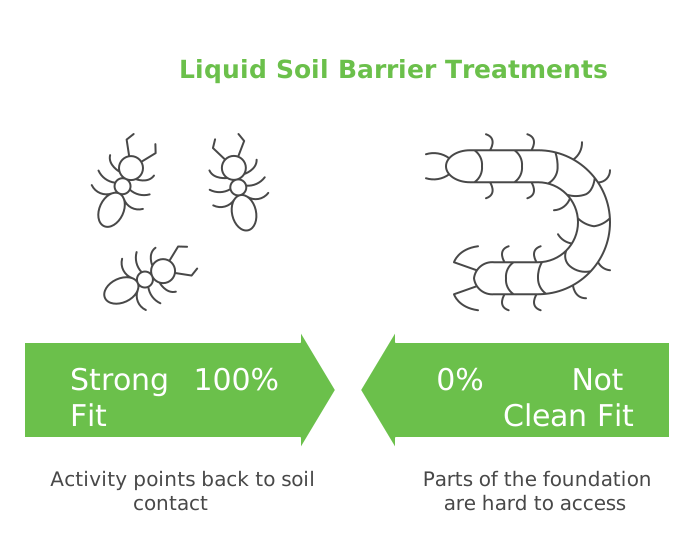
Think of a liquid barrier as creating a treated zone in the soil where termites would otherwise travel.
A common reason this option gets recommended is that subterranean termite control often depends on treating the soil around and under structures, and the details (construction type, access, and where termites are found) guide where and how it’s applied. (Purdue Extension)
When liquid barriers are a strong fit
- Activity points back to soil contact
- You want perimeter-style protection that fits the structure’s layout
When they may not be the cleanest fit
- Parts of the foundation are hard to access
- The structure needs a more targeted or monitored approach
Bait stations
Bait stations are a different strategy: place stations around the structure, confirm feeding, then maintain monitoring over time.
Because the system relies on termites feeding and the stations being checked and maintained, baiting is best viewed as a managed, ongoing process—not a “set it and forget it” one. (NC State Extension)
When baits make sense
- You want a monitoring-first approach
- You prefer minimal disturbance around the structure
What to expect
- More gradual progress
- Follow-up checks are part of the plan
Foam treatments
Foam is commonly used as a targeted tool, especially in voids or tight cavities where direct access is limited.
When foam can help
- A specific wall void or tight space needs localized treatment
- It’s being used as a supplement to a bigger plan
What foam doesn’t do
- It doesn’t automatically address termites outside the treated area
Spot treatments
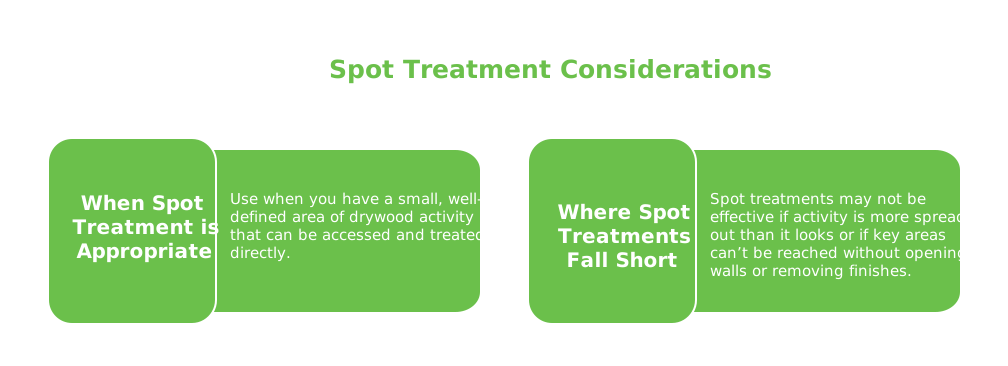
Spot treatments are exactly what they sound like: treat the specific location you can reach.
When spot treatment can be appropriate
- You have a small, well-defined area of drywood activity
- The affected wood can be accessed and treated directly
Where spot treatments can fall short
- If activity is more spread out than it looks
- If key areas can’t be reached without opening walls or removing finishes
Fumigation (whole-structure)
Fumigation is a whole-structure option that can be used when drywood activity is widespread or hard to access through localized treatment.
When fumigation is usually considered
- Drywood termites appear across multiple areas
- The structure layout makes it difficult to reach the full extent of the infestation
Important boundary to understand
- Fumigation can clear drywood termites throughout the structure, but it’s not the same as a soil barrier treatment for subterranean termites.
How to choose a termite treatment in Austin (decision checklist)
If you’re comparing bids or recommendations, here are practical questions that keep the choice grounded:
- What termite type are you treating—and how was it confirmed?
- Where is the activity (and what evidence supports that)?
- What areas will be treated, specifically?
- What follow-up is included (especially for baiting)?
- Is the company and technician properly licensed for structural pest control in Texas?
In Texas, structural pest control is regulated, and licensing requirements apply to businesses and individuals performing this work for hire—so it’s fair to ask for license details and documentation. (Texas Department of Agriculture)
See what our happy customers are saying! Read real reviews and discover why homeowners trust us.
Final takeaway + next step
If there’s one “Austin homeowner rule” that holds up: match the method to the termite type and the structure, and make sure the plan explains where it will work and why.
Ready to talk through options with a local pro? BrockStar Pest Services offers termite control in Austin plus termite control and WDI inspections—schedule an inspection through their Termite Control Austin page.
FAQ
1) What’s the main difference between bait stations and a liquid barrier?
Bait stations are built around monitoring and gradual control through termite feeding, while a liquid barrier is designed to treat the soil zone where subterranean termites travel. (US EPA)
2) How do I know if I’m dealing with drywood or subterranean termites?
Subterranean termites typically connect back to the soil, while drywood termites can live in wood above ground and may leave pellet-like droppings (frass) or show up as indoor swarmers. (Texas A&M AgriLife Extension)
3) Do bait stations work without follow-up visits?
Baiting depends on stations being inspected and maintained over time, since the strategy relies on termite feeding and continued monitoring. (NC State Extension)
4) Is a “spot treatment” enough to solve a termite problem?
Spot treatments can help when activity is truly localized and accessible, but they only address the areas that can be reached and treated directly. (Purdue Extension)
5) What should I ask to confirm a termite company is qualified in Texas?
Ask for license information and documentation, and confirm the work is being performed under the state’s structural pest control requirements for businesses and individuals working for hire. (Texas Department of Agriculture)