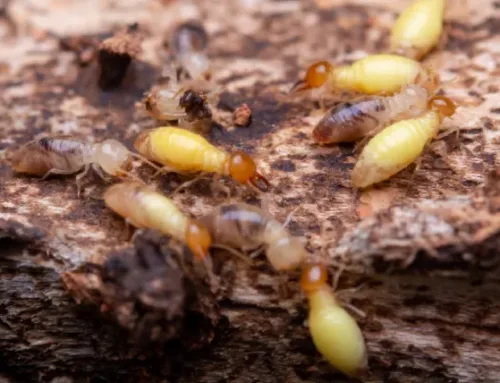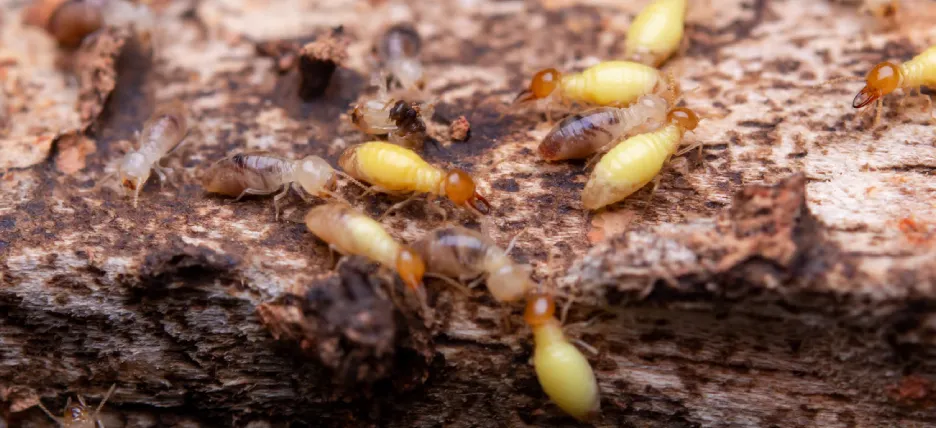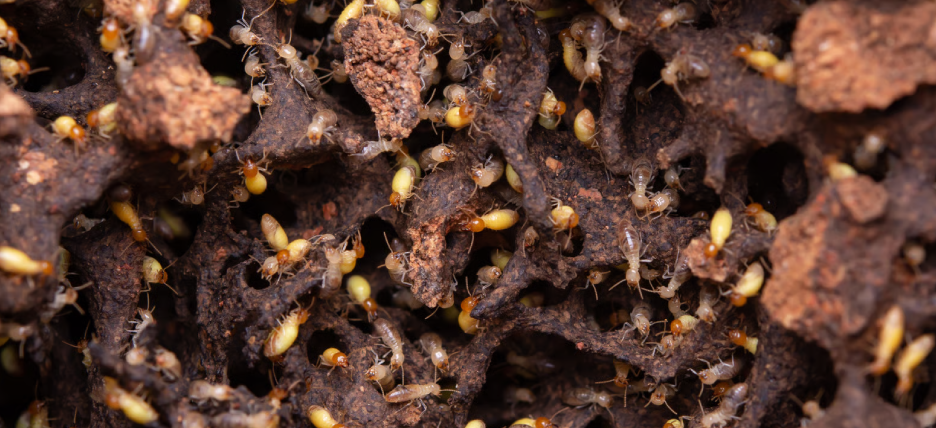
Finding termite damage can feel like a punch to the gut. You start with one soft spot in a baseboard, then you notice more. The good news is this: you do not have to guess your way through it. There is a smart order that helps you protect your home, avoid repeat damage, and move forward with repairs you can trust—especially when you’re dealing with termite control in Austin.
Below is a clear plan for Austin homeowners who are thinking, “I found damage—what now?”
We provide expert termite control across Austin, Dripping Springs, Bee Cave, Lakeway, Round Rock, Buda, and Kyle. Protect your home today!
Step 1: Treat the termites before you repair the wood
It is tempting to patch the damage right away. But if termites are still active, repairs can get hit again and you may cover up signs a pro needs to see.
The U.S. Environmental Protection Agency explains that termites cause major structural damage each year and that proper identification and control matter for protecting a home (U.S. Environmental Protection Agency).
What to do today if you see warning signs
If you see mud tubes, swarmers, or piles of wings, focus on documentation and inspection. Try not to scrape, spray, or “clean it up” first. A pro can use those clues to map the problem faster.
Step 2: Document the damage like a pro would
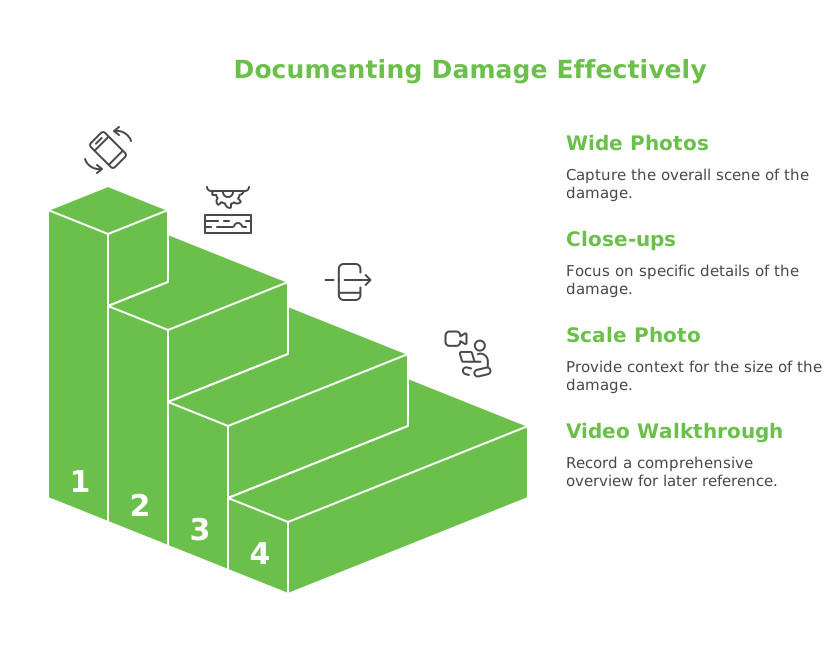
Good documentation helps you explain what you saw, track changes, and plan repairs with fewer surprises.
Take photos and video that answer the right questions
Use your phone, but get both wide and close shots:
-
Wide photos that show the room or exterior wall section
-
Close ups of damaged wood and any mud tubes or wings
-
A photo with a common object for scale, like a coin or tape measure
-
A short video walk through so you remember context later
Texas A and M AgriLife notes that termite activity can be hidden behind wallboards, siding, or trim, so what you see may not be the whole story (Texas A and M AgriLife Extension).
Make a simple damage log
Keep it easy:
-
Date you noticed it
-
Exact location, room and wall
-
What you saw, like soft trim, pinholes, wings, or a tube line
-
Any changes you notice over the next few days
Step 3: Understand what might be cosmetic versus structural
Some termite damage stays in trim, door casings, or surface wood. Other times, the concern is deeper. If you suspect floors, framing, or major supports may be involved, it is time to slow down and bring in the right help.
Mississippi State University Extension notes termites can damage wooden floors, molding, cabinets, and even sheetrock walls and paper products, and that repairs can be disruptive (Mississippi State University Extension).
Signs you should involve a contractor or engineer
These are common reasons homeowners bring in a licensed pro to assess safety and repair scope:
-
Floors feel bouncy, sagging, or uneven
-
Doors stick or do not latch when they used to
-
Damage is near a beam, joist, or obvious support area
-
You can press into wood and it crushes easily in a key spot
This is not about fear. It is about repair sequencing. If the structure needs attention, you want that handled before you spend time and money on finishes.
Step 4: Repair sequencing after termite treatment
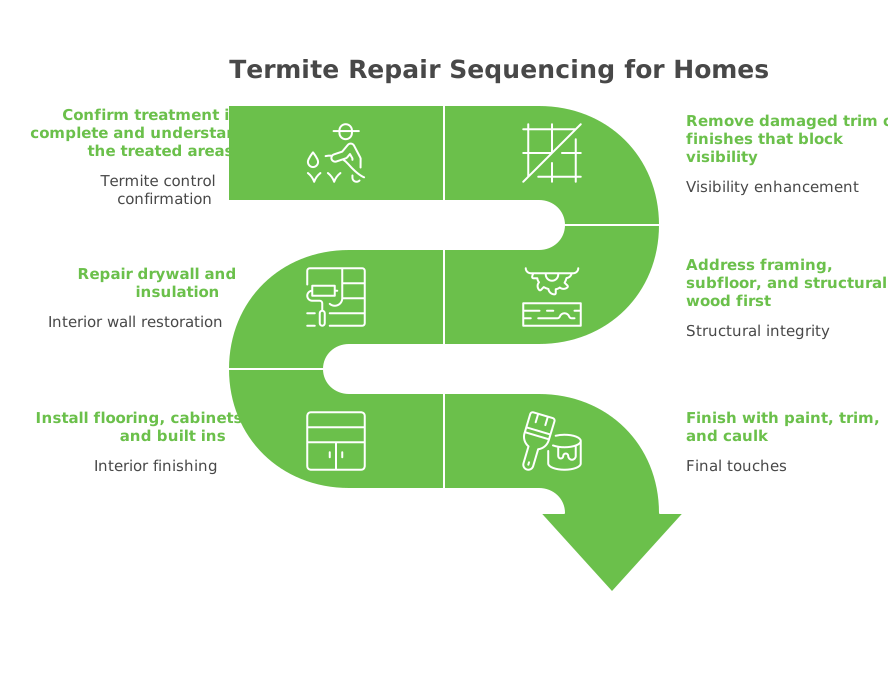
Once termites are controlled, repairs become clearer. The biggest mistake is repairing in the wrong order.
A practical repair order for many homes
-
Confirm treatment is complete and understand the treated areas
-
Remove damaged trim or finishes that block visibility
-
Address framing, subfloor, and structural wood first
-
Repair drywall and insulation
-
Install flooring, cabinets, and built ins
-
Finish with paint, trim, and caulk
If you are opening walls, keep notes and photos as you go. That record helps your contractor, and it helps you stay organized if you discover new damage.
Step 5: Fix the conditions that helped termites in the first place
Prevention is about removing the “easy path” back into your home.
A USDA Forest Service guide explains that one clear sign of infestation is shelter tubes made of soil and sand that connect termites to the structure (USDA Forest Service).
That matters because many prevention steps are about reducing soil to structure access and keeping things dry around key areas.
Prevention checklist after repairs
-
Fix plumbing leaks and water intrusion fast
-
Keep soil and mulch from building up against the home
-
Avoid wood contact with soil where possible
-
Store lumber, firewood, and cardboard away from exterior walls
-
Keep inspection areas visible so future checks are easier
A Purdue Extension publication notes that people often confuse winged termites with winged ants, which is why proper identification matters (Purdue University Extension).
Step 6: Know when a Texas WDI report matters
If you are buying, selling, refinancing, or need formal documentation, a WDI report is often part of the process. It creates a clear record based on an official scope.
The Texas Department of Agriculture provides the Texas Official Wood Destroying Insect Report form and scope language, which sets expectations for what is recorded during the inspection (Texas Department of Agriculture).
See what our happy customers are saying! Read real reviews and discover why homeowners trust us.
Next step: book our termite control Austin
If you found termite damage and want answers fast, book our termite control in Austin. We can inspect, treat, help you understand repair sequencing, and support WDI documentation when you need it.
FAQ (Apartment Owner Edition)
1) Can I repair termite damage before treatment is done?
It is usually best to treat first. If termites are still active, repairs can be damaged again and you may cover up signs needed for inspection.
2) What photos should I take to document termite damage?
Take wide shots that show the room or exterior wall, plus close ups of the damage and any signs like wings or tubes. Add a scale photo using a coin or tape measure, and a short video walk through for context.
3) When is termite damage serious enough to call a contractor or engineer?
If you suspect framing, floors, or support members may be affected, bring in a licensed pro. Signs like sagging floors, bouncy spots, and damage near key supports are common reasons homeowners ask for a structural assessment.
4) What is a WDI report and when do I need one in Texas?
A WDI report is an official wood destroying insect inspection report used for documentation in many Texas transactions. Homeowners commonly need it for buying, selling, refinancing, or when a lender requests it.
5) After repairs, what is the best way to prevent termites from coming back?
Focus on moisture control and limiting soil contact near the structure. Keep the perimeter easy to inspect, fix leaks quickly, and avoid stacking wood or cardboard against exterior walls.