Let’s talk straight. When Austinites say they want green or low-toxicity termite control in Austin, they usually mean one thing:
Protect the house without turning the yard into a chemistry project.
That’s a fair goal. But termites are not like ants on the counter. They work quietly, often out of sight, and they can keep going for a long time if nobody stops them.
So the best eco-friendly plan is not a single product. It is a smart mix of prevention, monitoring, and targeted treatment only when it is truly needed.
We provide expert termite control across Austin, Dripping Springs, Bee Cave, Lakeway, Round Rock, Buda, and Kyle. Protect your home today!
Quick reality check: green termite control is about lowering exposure
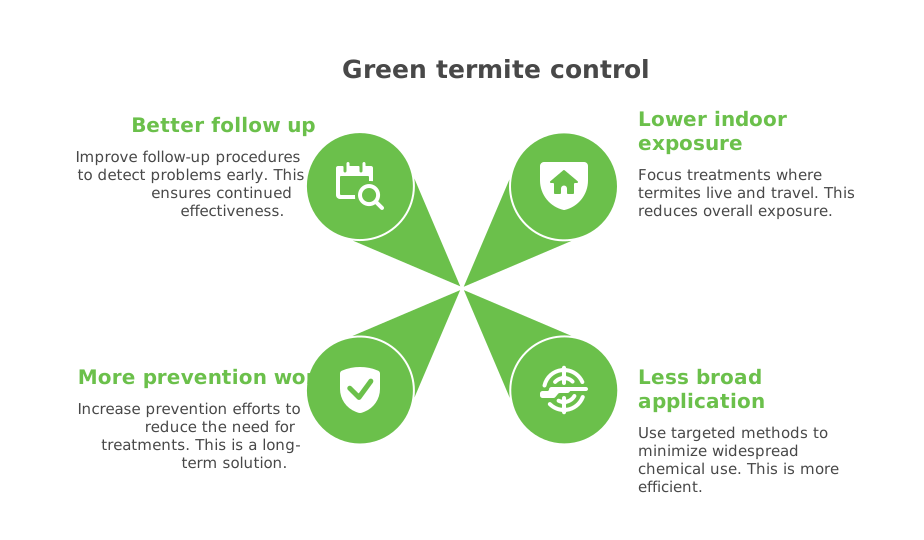
Green can be real. It just needs the right definition.
Here is a good way to think about it.
What green can realistically mean
- Lower indoor exposure by focusing treatments where termites live and travel
- Less broad application by using targeted methods
- More prevention work so you need fewer treatments over time
- Better follow up so you catch problems early
The U.S. Environmental Protection Agency describes Integrated Pest Management as an environmentally friendly approach that focuses on prevention, uses pesticides only as needed, and relies on inspection and monitoring to guide decisions (U.S. Environmental Protection Agency).
What green cannot promise
If someone promises chemical free termite elimination, that is a red flag.
For termites, the honest goal is lower exposure and smarter use, not magic.
The IPM approach: the lowest toxicity plan starts before any treatment
Want the cleanest approach for your home, kids, pets, and the Austin environment.
Start with prevention steps that reduce termite pressure.
Prevention steps that do not require spraying
These are the basics that make a big difference.
- Fix leaks fast and keep moisture under control
- Keep mulch and soil from building up against the foundation
- Store firewood and lumber away from the house
- Keep tree limbs and dense plants from touching the structure
- Keep the perimeter clear so inspections are easier
In Texas, subterranean termites are widespread and the state reports they cause about $500 million in damage each year, so prevention is not just a nice idea, it is a smart habit (Texas A and M AgriLife Extension).
Monitoring is part of low toxicity prevention
Monitoring helps you stay proactive. If you catch termite activity early, you often avoid bigger repair headaches later.
This is where bait stations can fit well for homeowners who want a lower exposure plan.
Baiting systems: why they often match the eco friendly goal
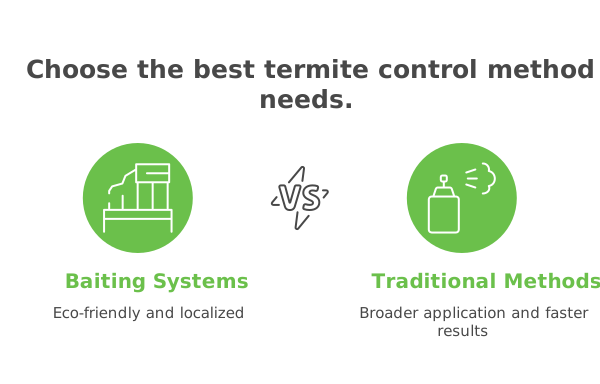
Baits are not instant. But they can be a great match for prevention minded homeowners.
How baiting works in plain language
Bait stations are placed in the ground around the home. When termites are detected, the bait is changed to a product treated with a termiticide that termites can carry back and share within the colony (Texas Department of Agriculture).
Why baiting can feel lower exposure
Baiting is localized. The product is placed in stations rather than spread broadly.
That is why many homeowners ask about it when they want fewer odors and less disruption.
The tradeoff: time and follow up
Baits often take longer to show results. They also work best when the program is maintained. That means scheduled checks and station service.
If your main goal is prevention and lower exposure, baiting can be a good fit.
Liquid treatments: where they fit and how to keep them low impact
Sometimes a targeted liquid treatment is the right tool. Especially when risk is high or activity is confirmed.
UC IPM explains that the primary methods for controlling subterranean termites are insecticides applied to soil or through bait stations, and it notes professionals are trained because of the hazards involved in applying insecticides around and under buildings.
What a liquid treatment does
A liquid treatment is usually designed to create a treated zone near the structure where termites travel.
How to keep the plan low toxicity
Low toxicity is not only about what is used. It is also about how, where, and why it is applied.
A low impact approach often includes:
- Treating only where it is needed based on inspection
- Keeping the home ventilated during service if recommended
- Following label directions and safety guidance
- Prioritizing prevention so you do not have to repeat treatments
Side by side: baiting vs liquids vs prevention first IPM
Here is a quick comparison you can screenshot and send to your spouse or your Realtor.
| Option | Best for | What to expect | Main tradeoff |
|---|---|---|---|
| Prevention first IPM | Homeowners focused on reducing risk | Moisture and wood contact fixes, monitoring, smart upkeep | Requires consistency |
| Baiting and monitoring | Lower exposure goals, long-term prevention mindset | Stations checked on a schedule, colony control over time | Slower timeline |
| Targeted liquid treatment | Confirmed activity, high-risk areas | Treated zone near structure, often faster initial protection | Must be applied correctly |
Austin homeowner tip: the foundation line matters
A lot of termite prevention comes down to one thing.
Break the easy connection between soil and wood.
Purdue Extension explains the basic principle of termite control is to break the connection between wood and soil, often by creating a chemical barrier to block entry points (Purdue University Extension).
That is why we pay attention to slab edges, cracks, plumbing penetrations, and any spot where soil stays damp.
See what our happy customers are saying! Read real reviews and discover why homeowners trust us.
Next step: book our termite control Austin
If you want an eco-friendly termite plan that is honest, low-stress, and built for Austin homes, book our termite control in Austin. We will inspect, talk through your low-toxicity goals, and recommend a plan that fits your home and your comfort level.
FAQ
1) Is eco friendly termite control really possible?
Yes, if you define it as lowering exposure through prevention, monitoring, and targeted treatments only when needed. The cleanest plans usually start with IPM style prevention and follow up.
2) Are termite bait stations a good option for low toxicity goals?
Bait stations can be a strong option when your main goal is localized placement and long term monitoring. They are not instant, so they work best for homeowners who are willing to stick with scheduled checks.
3) Do liquid treatments always mean high exposure?
Not necessarily. A targeted plan based on inspection can limit where products are placed, and good prevention work can reduce how often any treatment is needed.
4) What is the lowest toxicity way to prevent termites in Austin?
Start with moisture control, avoid wood touching soil, and keep the perimeter easy to inspect. Add monitoring so you can act early if termite activity shows up.
5) How long does baiting take to work?
It varies by site and termite pressure. The key is to set expectations, keep the stations maintained, and pair baiting with prevention steps that lower the chance of reinfestation.