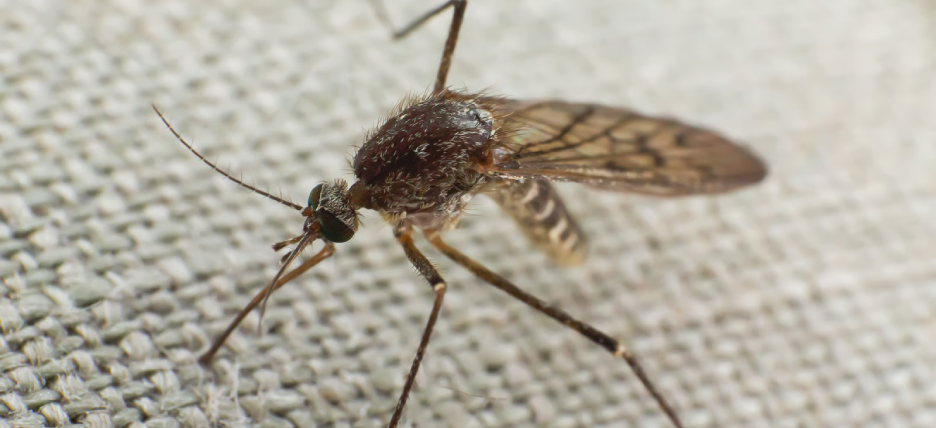
If your backyard turns into a “bite zone” the second the sun starts to dip, you’re not alone. In Austin, mosquitoes can be a seasonal nuisance—and in some cases, a health concern.
That’s why Mosquito Control in Austin isn’t just a nice-to-have—it’s often the difference between actually using your yard and just looking at it from the window.
Austin’s Environmental Vector Control program typically sees mosquito season run roughly May through November, which is why many homeowners notice the problem spike after warm rains and humid stretches (City of Austin Environmental Vector Control).
This page breaks down the main mosquito control methods used around homes, the problems each method solves, and the results people usually see based on yard conditions—especially common Austin setups like shady lots, thick landscaping, and nearby water.
We provide expert mosquito control across Austin, Dripping Springs, Bee Cave, Lakeway, Round Rock, Buda, and Kyle. Protect your home today!
Why yard conditions matter more than you think
Mosquitoes don’t “live” in one spot the way ants do. They move between breeding areas (where they lay eggs) and resting areas (where adults hide during the day). A good control plan has to cover both.
Here’s the plain truth: two homes on the same street can have totally different mosquito pressure depending on shade, vegetation, and how water behaves on the property.
The 4 main mosquito control methods pros use around homes
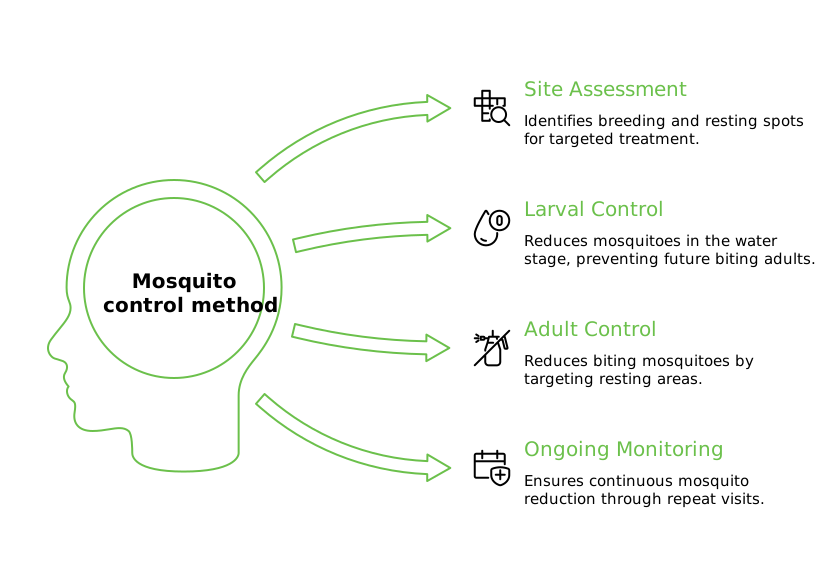
Professional programs usually mix methods instead of relying on one “magic” treatment.
1) Site assessment and hot-spot targeting
A pro visit should start with a walkthrough. The goal is to map out:
- Where mosquitoes may be breeding (places that hold water)
- Where adult mosquitoes are likely resting (cool, protected pockets)
- Which areas need special attention (privacy fences, under decks, shrub lines)
This step matters because it keeps treatments focused. Instead of blasting the whole yard, a good plan aims for the spots mosquitoes actually use.
2) Larval control (stopping them before they fly)
Larval control targets mosquitoes in the water stage—before they become biting adults. The U.S. Environmental Protection Agency explains larval control as a way to reduce mosquitoes early in their life cycle, which can be especially helpful when there are known water-holding areas nearby (EPA: Controlling mosquitoes in the larval stage).
In residential settings, this approach is usually selective and strategic—used where it makes sense based on the property and surrounding conditions.
3) Adult control (reducing biting mosquitoes now)
Adult control focuses on reducing the mosquitoes that are already flying and biting. In real-world terms, this is the method most homeowners “feel” the fastest.
The CDC describes adult mosquito control as using adulticides to reduce adult mosquito populations, typically as part of broader mosquito management (CDC: Adulticides).
For homeowners, the key takeaway is this: adult control works best when it’s applied where mosquitoes rest and hide, not just out in the open lawn.
4) Ongoing monitoring and scheduled follow-ups
Mosquito control isn’t usually a one-and-done situation—especially during Austin’s hot, humid months.
Texas A&M’s IPM guidance emphasizes using an integrated approach (more than one tactic) and adjusting based on conditions and results (Texas A&M School IPM: Mosquito action plan).
That’s why many professional programs include repeat visits during peak season. The goal is to keep pressure down, not just knock it back once.
What results to expect by yard type in Austin
Let’s talk about what homeowners actually want to know: “What will my yard feel like after service?”
Results depend on how “mosquito-friendly” your property is. Here’s what pros often see in common Austin yard types.
Shady yards (big trees, covered patios, north-facing lots)
Shade creates cooler, calmer spots—exactly where adult mosquitoes like to hang out during the day. In these yards, the plan often leans heavily on adult control in resting areas, plus follow-ups to keep activity from creeping back.
Typical experience: You usually notice fewer mosquitoes around patios and seating areas first, while deep-shade pockets may take longer to calm down.
Dense vegetation (lush landscaping, thick shrubs, greenbelt edges)
Thick landscaping can act like a mosquito hotel: protected, humid, and hard to “air out.” These yards often need more careful targeting along:
- Shrub lines
- Fence lines
- Under decks and low branches
- Transition zones near greenbelts
Typical experience: The first big improvement is often in open areas, then gradual improvement in the heavy-growth zones as the program stays consistent.
Water influence (creeks, drainage areas, irrigation-heavy yards)
When water sticks around, mosquito pressure can stay high. Austin’s local vector control work is focused on monitoring and controlling mosquitoes because they can spread viruses like West Nile (Texas DSHS: Mosquito-borne diseases).
If your yard backs up to a creek or has drainage that holds moisture, a pro plan may place extra emphasis on larval control where appropriate, plus consistent adult control in nearby resting zones.
Typical experience: You can still get meaningful relief, but the program may need to stay more active during peak months because pressure can be “re-seeded” from surrounding areas.
Quick comparison: yard conditions and what the plan usually emphasizes
| Yard type | What’s driving the problem | What pros usually emphasize |
|---|---|---|
| Mostly shade | Resting adults protected from heat/wind | Adult control in resting zones + follow-ups |
| Dense vegetation | Humid hiding spots + limited airflow | Tight targeting on shrub/fence lines |
| Nearby water influence | More breeding opportunities nearby | Larval control (when applicable) + steady scheduling |
What a professional mosquito control plan usually looks like
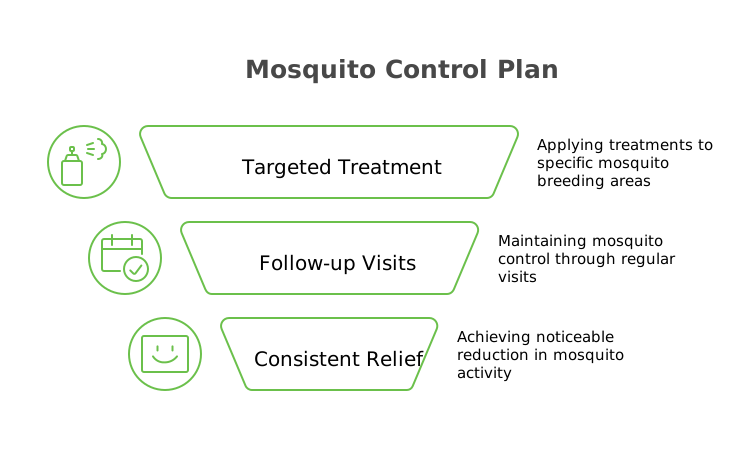
Here’s the basic flow most homeowners can expect.
First visit: inspect, target, treat
A quality first visit typically includes a walkthrough, notes on yard conditions, and treatment focused on mosquito hot spots. You shouldn’t feel like you’re getting a “cookie-cutter” spray—Austin yards are too different for that.
Follow-ups: keep the pressure down
Follow-up visits are where the long-term comfort usually comes from. They help keep mosquito activity from bouncing back after weather shifts, rain, or bursts of heat.
What “good” looks like
A solid outcome is when you can:
- Use your patio without constant swatting
- Let kids run around without becoming a snack buffet
- Enjoy evening time outside with fewer interruptions
Not every yard gets to “near zero,” but the goal is consistent, noticeable relief where you actually live—patios, play areas, and paths.
See what our happy customers are saying! Read real reviews and discover why homeowners trust us.
Mosquito Control in Austin: When it’s time to call a pro
If you’re seeing mosquitoes day after day—especially in shade, thick landscaping, or near water—professional control is often the fastest way to get your outdoor space back.
BrockStar Pest Services is a local Austin company (“Keep’n it Local since 2012”) with experienced technicians and a safety-first approach to residential service. If you want a plan built around your yard’s conditions, learn more about Mosquito Control in Austin.
FAQ
1) How long does mosquito control last in an Austin yard?
Most homeowners feel the biggest difference when service is kept consistent through the heavy season. One visit can help, but lasting relief usually comes from a program that maintains lower mosquito pressure as weather changes.
2) What’s the difference between larval control and adult control?
Larval control targets mosquitoes before they become flying adults, while adult control focuses on reducing the mosquitoes that are biting right now. Many Austin yards benefit most when both are used in the right places.
3) Why are mosquitoes worse in shady yards?
Shady areas give adult mosquitoes a cooler place to rest during the day. If most of your yard is shaded, treatment usually has to focus on those protected pockets—not just open lawn.
4) Is professional mosquito treatment safe for families and pets?
Professional treatments are designed to be applied by trained technicians using products according to label directions. If you have specific concerns (kids, pets, gardens), a good provider will walk you through what’s being used and how to use the yard after service.
5) When should I start mosquito control in Austin?
Starting before mosquitoes hit peak intensity can make the season easier. If you typically notice mosquitoes showing up as spring warms up, that’s a good signal to get on a schedule early and stay consistent as summer ramps up.