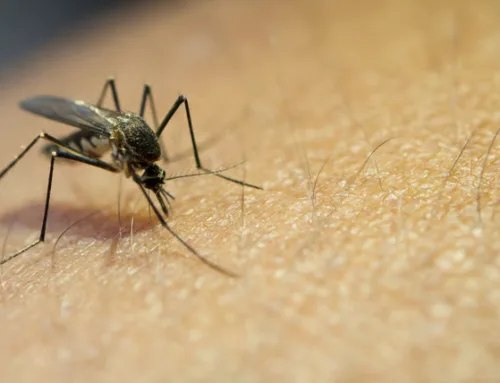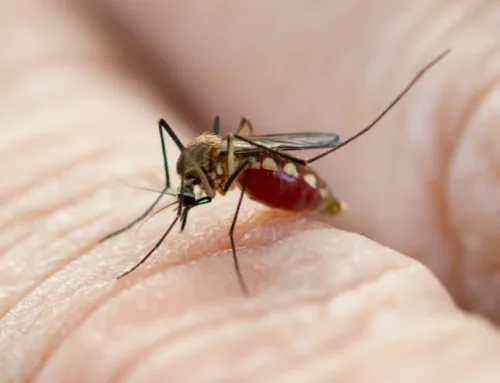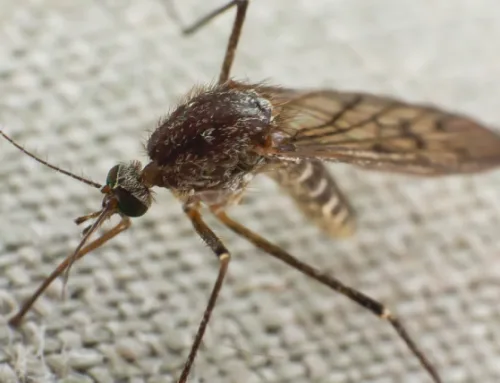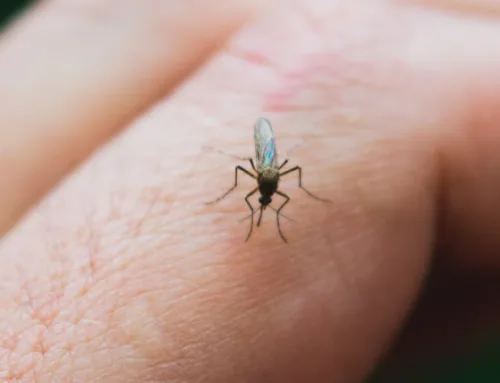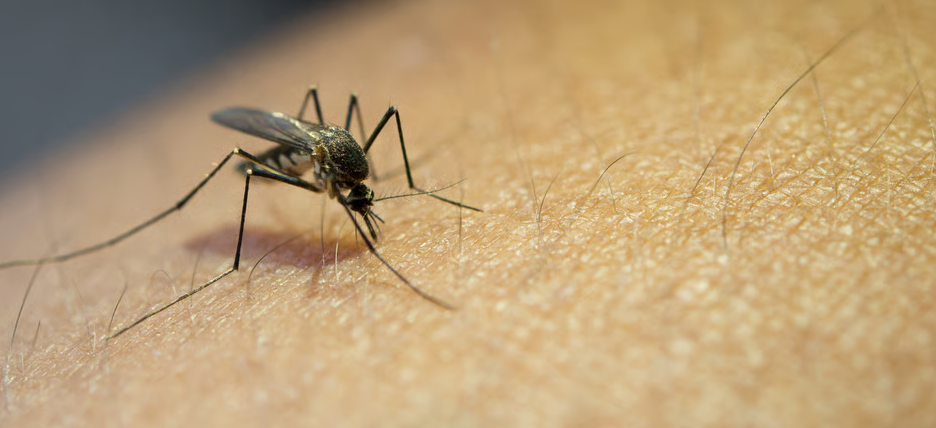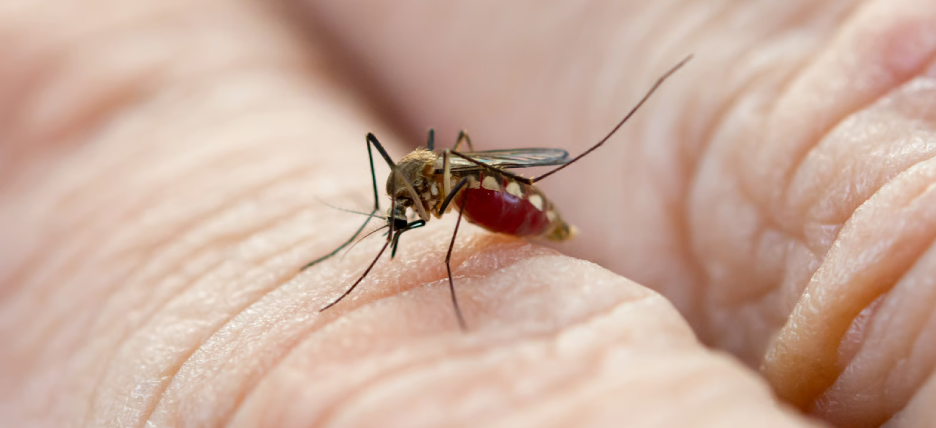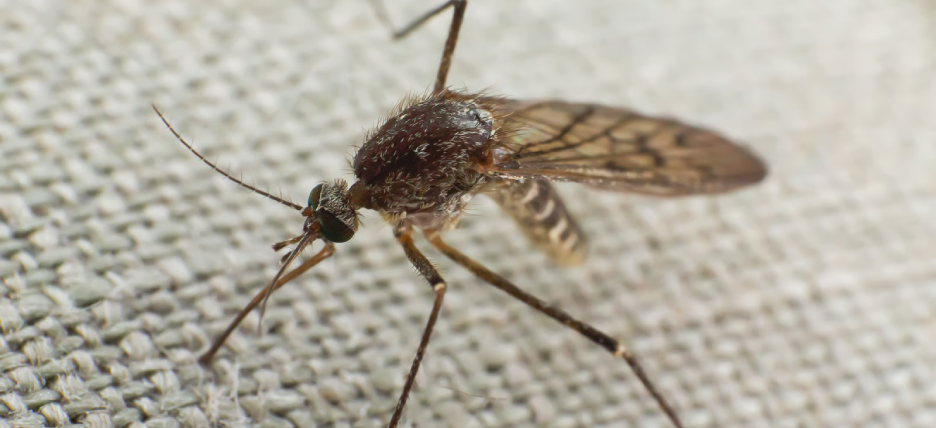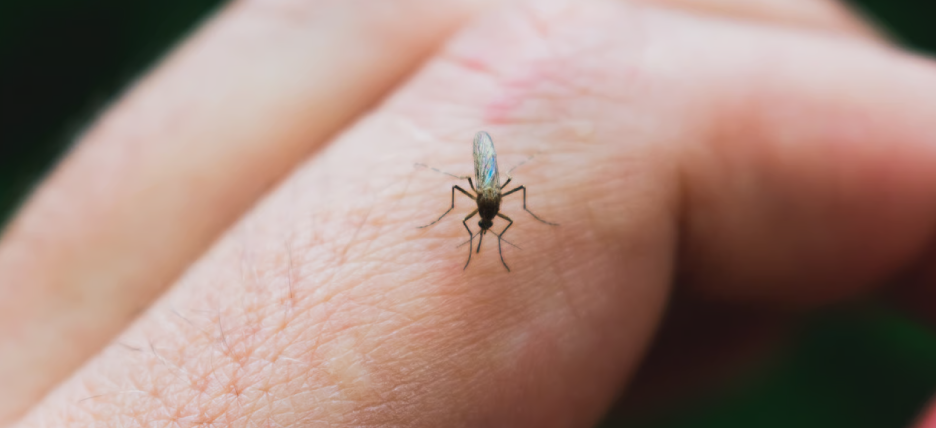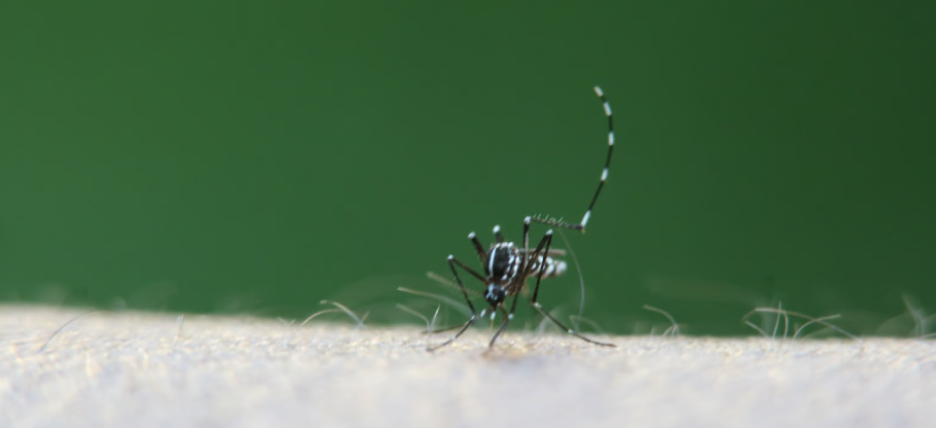
Mosquitoes don’t all play by the same rules. Some show up when you’re watering plants at breakfast. Others wait until you fire up the grill at sunset.
In Austin, that “what time are you getting bit?” clue matters—because Mosquito Control in Austin works best when it matches the mosquito you’re dealing with. Different species grow, feed, and hide in different ways, and your timing tells you a lot about where they’re coming from.
We provide expert mosquito control across Austin, Dripping Springs, Bee Cave, Lakeway, Round Rock, Buda, and Kyle. Protect your home today!
Quick answer: Why mosquitoes bite at different times in Austin
Austin has a mix of mosquito species, and each group has its own “schedule.” A helpful local rule of thumb is in Austin Public Health’s Fight the Bite guidance: the mosquitoes linked to West Nile risk are most active between dusk and dawn, even though other species may be active at other times. (Austin Public Health)
So if you’re getting lit up on the patio after dark, that’s a different situation than bites during a mid-day yard cleanup.
Day-biter vs. night-biter: the fast “when do you get bit?” test
- Mostly daytime bites (especially morning/late afternoon): you may be dealing with day-active mosquitoes near people and homes.
- Mostly evening/night bites: you may be dealing with mosquitoes that hunt after sunset and may travel farther.
That timing doesn’t name the exact species—but it points your control plan in the right direction.
Mosquito life cycle in plain English (and why it matters)
Mosquitoes have four stages—egg, larva, pupa, adult—and the first three stages are tied to water. The U.S. Environmental Protection Agency notes the whole cycle often takes about two weeks in typical conditions, but it can range from as short as 4 days to as long as a month depending on conditions. (U.S. EPA)
Here’s the big takeaway for Austin yards: if there’s standing water, mosquitoes can keep “reloading” your property.
The “break the cycle” moment
Adults are the ones that bite, but water is where new mosquitoes get started. If you cut off water sources, you cut off future adults.
That’s why weekly water cleanup after rain is a make-or-break habit in warm months.
Meet the “big three” mosquito groups (and what they do differently)
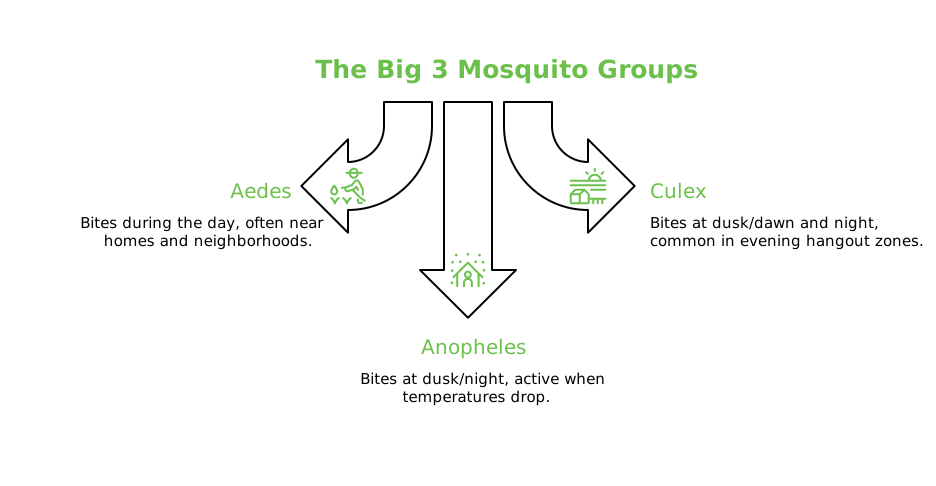
If you only remember one thing: Aedes, Culex, and Anopheles don’t all bite at the same time or breed in the same places. A Texas Department of State Health Services handout lists examples of each group and shows bite timing like day (D), night (N), and dusk/dawn (C), plus common larval habitats (like artificial containers). (Texas DSHS)
Aedes: the “near-people” mosquito (often a daytime problem)
Aedes mosquitoes are often linked to bites around homes and neighborhoods.
What that means for you: if the bites happen while you’re outside doing normal daytime stuff—mailbox, garden, dog walk—Aedes is a usual suspect.
Culex: the “after-hours” mosquito (often dusk/dawn and night)
Culex mosquitoes are commonly tied to dusk/dawn activity patterns.
What that means for you: if your patio is fine at 3 p.m. but rough at 9 p.m., your control plan needs to focus on evening hangout zones—and the places adults rest before they fly out.
Anopheles: often a dusk/night biter
Anopheles mosquitoes also tend to show up later in the day.
What that means for you: when bites cluster late evening, you’re usually dealing with mosquitoes that hunt when temperatures drop and people head outside.
Feeding and resting behavior: where mosquitoes hide between bites
One reason mosquitoes feel “random” is that they don’t stay in the open all day.
The CDC explains that only female mosquitoes bite—they need a blood meal to produce eggs—and that mosquitoes can bite day or night depending on the species. (CDC)
Where adults rest on your property
In plain terms: mosquitoes like cool, shaded, protected spots. Think thick shrubs, tall grass, under decks, and tucked corners around the house.
If you only treat the obvious open areas, you can miss the places mosquitoes spend most of their time.
Control strategy that matches the mosquito (Austin-focused)
No scare tactics. No guesswork. Just match your plan to what’s happening in your yard.
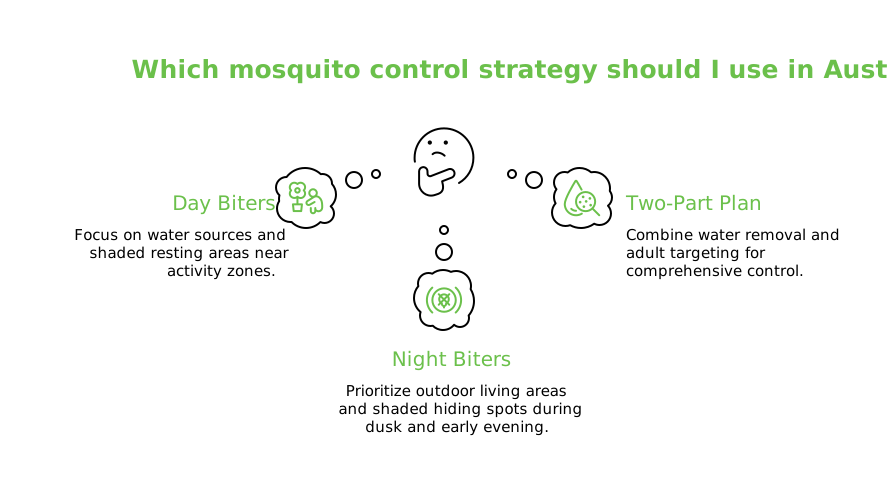
If you’re dealing with day biters
- Do a quick walkaround for anything holding water (even small stuff).
- Pay attention to shaded “resting” areas close to doors, patios, and walkways.
- If you’re getting bit while doing daytime yard tasks, focus on the spots near where you spend that time.
If you’re dealing with night biters
- Time matters: dusk and early evening are common bite windows.
- Put extra attention on your outdoor living areas—patios, seating spots, and pet areas.
- Reduce standing water, then focus on shaded hiding spots where adults wait.
The two-part plan that usually works best
- Step 1: Remove standing water weekly. Austin Public Health calls this out directly as “Drain,” and even lists common breeding spots like planters, toys, birdbaths, and clogged gutters. (Austin Public Health)
- Step 2: Target adult resting zones. Once water sources are handled, the goal is to reduce the adults already hanging around.
See what our happy customers are saying! Read real reviews and discover why homeowners trust us.
When it’s time to call BrockStar Pest Services
If you’re doing the weekly water cleanup and you still can’t enjoy your yard, it may be time to bring in a local crew that knows Austin pests—and knows what actually works for Mosquito Control in Austin.
BrockStar Pest Services is based in Austin and offers residential and commercial pest control, including mosquito help—so you can stop guessing and start enjoying your outside space again.
Get a quote or book service here: BrockStar Pest Services
FAQ
1) What’s the difference between day-biting and night-biting mosquitoes in Austin?
Daytime bites are often linked to mosquitoes that hang close to people and homes, while dusk/night bites are often linked to mosquitoes that hunt after sunset. Austin Public Health also notes that West Nile risk is tied to mosquitoes most active between dusk and dawn. (Austin Public Health)
2) What are the four stages of a mosquito’s life cycle?
Mosquitoes go through four stages: egg, larva, pupa, and adult. The EPA notes that the full cycle often takes about two weeks, but it can be much faster or slower based on conditions. (U.S. EPA)
3) Why do mosquitoes bite in the first place?
Only female mosquitoes bite because they need a blood meal to produce eggs. Mosquitoes can bite day or night depending on the species. (CDC)
4) Which mosquito groups matter most in Texas?
In Texas, many species fall into the Aedes, Culex, and Anopheles groups, and their bite timing and larval habitats can differ. Texas DSHS includes examples of these groups and shows day vs night vs dusk/dawn activity in its mosquito vector handout. (Texas DSHS)
5) When should I call a pro for mosquito help in Austin?
If you’re draining standing water weekly and mosquitoes still keep crashing your backyard time, a pro inspection can help spot water sources and adult resting zones you may not see. If you want local help, you can request service from BrockStar Pest Services here. BrockStar Pest Services