We provide expert mosquito control across Austin, Dripping Springs, Bee Cave, Lakeway, Round Rock, Buda, and Kyle. Protect your home today!
Quick answer: what to do all season (the “always” checklist)
Austin Public Health promotes simple steps like wearing protective clothing, using repellent, and getting rid of standing water so you can enjoy spring and summer activities with fewer bites. Austin Public Health
Use this short checklist year-round any time mosquitoes are active:
- Protect your skin outside. (Cover up and use repellent when you need it.)
- Keep them out of your house. (Screens and door habits matter.)
- Drain standing water. (If it can hold water, it can raise mosquitoes.)
- Focus on your “hangout zones.” Patios, pet areas, and doorways are where bites feel the worst.
Why weekly matters (especially after rain)
Mosquitoes can go from egg to adult fast, and the timeline changes with weather. The U.S. Environmental Protection Agency says the mosquito life cycle is often about two weeks, but it can range from 4 days to a month depending on conditions—one big reason a weekly routine works. U.S. EPA
How to use this calendar if you don’t live in Austin
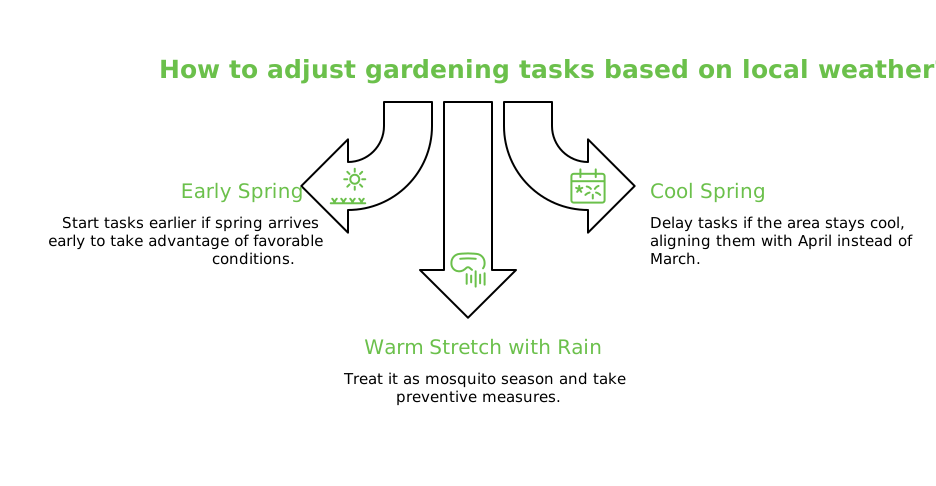
Use the month-by-month plan as a guide, but let local weather call the shots:
- If your spring arrives early, start earlier.
- If your area stays cool, your “March tasks” might happen in April.
- Any time you get a warm stretch plus rain, act like mosquito season just started.
Month-by-month mosquito control calendar (Jan–Dec)
Below is the Austin version. Keep the steps short, and you’ll actually do them.
January — Reset and prep
- Walk the yard and pick up anything that can collect water (pots, buckets, toys).
- Check door sweeps and window screens.
- Make a “patio plan” for spring: where do people sit, where do pets hang out, where do you get bitten first?
February — Early warm spells: don’t ignore water
- After rain, do a quick water scan.
- Clear drains and look for spots where water pools.
- If you travel, pack bite protection so you’re not scrambling later.
March — Spring ramp-up
- Start a weekly “drain and refresh” habit.
- Refresh water features regularly (birdbaths, pet bowls) so water doesn’t sit.
- Trim back dense plants near doors and patios so mosquitoes have fewer hiding spots.
April — Rainy weeks: tighten the routine
- Make sure gutters and downspouts move water away from the house.
- Check plant saucers and anything tucked under a hose spigot.
- If you’re outdoors at dusk, add protective clothing and repellent to your routine.
May — The season gets real
- Plan for outdoor events: long sleeves and repellent are easier than itching all weekend.
- Keep screens in good shape if doors are opening nonstop.
- Do a “patio perimeter” walk and clear water traps near seating.
June — Peak habit month
- Don’t let standing water stick around.
- Keep the yard tidy so mosquitoes have fewer cool, shaded places to rest.
- Watch the evening bite window and protect skin when you’re outside.
July — Heat + storms: stay consistent
- Summer storms refill water traps fast. Scan the yard right after rain.
- Keep kid toys stored where they can’t turn into tiny ponds.
- If you have a shaded side yard, treat it like a mosquito magnet and keep it trimmed.
August — Late-summer pressure
- Keep doing the weekly basics even if you’re tired of thinking about mosquitoes.
- Protect skin when you’re outside at dusk and dawn.
- If you’re hearing about more activity in your area, tighten your routine for a few weeks.
September — Fall rains can spike bites
- After rain, do the quick scan the same week.
- Focus on high-use spaces (patio, grill area, dog run).
- If you’re hosting outdoors, plan bite protection like you plan the food.
October — Taper, but don’t quit
- Mosquito pressure often eases, but they can still be active.
- Keep draining water and fixing screens.
- Keep a “go bag” by the back door: repellent, long socks, and a light long-sleeve.
November — Finish strong
- Remove or store items that hold water.
- Clean up leaf litter and yard clutter.
- Keep the weekly scan going as long as you’re still seeing mosquitoes.
December — Off-season maintenance
- Repair screens and door seals.
- Store seasonal items upside down or under cover.
- Reset your yard so spring doesn’t start with a mosquito head start.
Quick calendar table you can screenshot
| Month | What to do (simple) | Why it helps |
|---|---|---|
| Jan–Feb | Prep screens, clear yard clutter | Fewer entry points and fewer water traps |
| Mar–Apr | Start weekly drain checks after rain | Stops breeding before it ramps up |
| May–Aug | Protect skin at peak bite times + keep water under control | Cuts bites and keeps populations down |
| Sep–Oct | Keep weekly checks going after rain | Fall rains can bring bites back |
| Nov–Dec | Store water-holding items, repair for spring | Prevents an early-season surge |
When public health warnings should change your plan
Texas DSHS notes West Nile disease is more common in warmer months, and they advise protecting yourself whenever there is mosquito activity. Texas DSHS
If you see local updates about mosquito activity, treat it like a reminder to tighten your basics for a few weeks: drain water, protect skin outside, and keep mosquitoes out of the house.
See what our happy customers are saying! Read real reviews and discover why homeowners trust us.
When it’s time to call BrockStar Pest Services
If you’ve been doing the weekly routine and mosquitoes are still wrecking your outdoor time, it may be time for local help—and for Mosquito Control in Austin that’s tailored to your yard, not a one-size-fits-all spray.
BrockStar Pest Services is Austin-based and ready to help you get your yard back—without you guessing where the problem is hiding.
FAQ
1) When does mosquito season start in Austin?
Mosquito activity in Austin often picks up in spring and can run through fall, especially when warm weather and rain overlap. A good rule is to start your weekly drain checks when you first notice consistent bites or after the first warm rainy stretch.
2) What’s the single best weekly mosquito habit?
Drain standing water on your property the same week it shows up—especially after rain. That one habit keeps new mosquitoes from growing up right where you live.
3) Why do mosquitoes seem worse right after rain?
Rain fills up lots of small “hidden” containers and low spots that can hold water. When water sits, it gives mosquitoes a place to develop, so your fastest win is a quick post-rain scan.
4) Should I stop mosquito prevention once fall hits?
Not right away. Mosquito pressure often drops later in the year, but warm spells and rain can keep them active, so keep the weekly routine going until your yard stays quiet.
5) When should I hire a pro for mosquito control in Austin?
If you’re doing the basics and still can’t enjoy your patio, pool, or business entryway, it’s time for a local inspection and a plan that fits your property. BrockStar can help you spot the breeding and resting areas you might be missing.