Austin is built for outdoor living. Patio nights. Greenbelt weekends. Kids running in and out like the screen door is a suggestion.
And then the mosquitoes show up and act like they pay rent.
This guide to Mosquito Control in Austin keeps it simple: what mosquito-borne diseases to know about in Central Texas, what symptoms should put you on alert, and the bite-prevention steps that give you the most protection for the least hassle.
We provide expert mosquito control across Austin, Dripping Springs, Bee Cave, Lakeway, Round Rock, Buda, and Kyle. Protect your home today!
Quick answer: What diseases matter most around Austin and what “risk” really means
In Central Texas, mosquito talk usually circles around one big local concern plus a few “keep it on your radar” viruses.
Texas health officials call West Nile virus the leading cause of mosquito-borne disease in the U.S., and they outline how most infections have no symptoms, while a smaller share can become severe. Texas DSHS
Here is the plain-English way to think about risk:
- Risk is not just “mosquitoes exist.” Risk is higher when more people are getting bitten, when local surveillance is picking up activity, or when you spend a lot of time outside during peak bite windows.
West Nile vs. dengue vs. Zika vs. chikungunya (quick differences)
- West Nile tends to be the one that shows up in local summertime conversations.
- Dengue, Zika, and chikungunya are often linked to travel, but Texas guidance still covers them because the mosquitoes that can spread them can also live near people.
Symptoms to watch for (and the two “don’t guess” moments)
Most mosquito bites are just bites. Still, if you feel sick after a stretch of heavy mosquito pressure, it helps to know what to watch for.
The CDC notes that about 80% of West Nile infections cause no symptoms, while about 1 in 5 infected people get a fever with symptoms like headache, body aches, joint pains, stomach issues, rash, or swollen glands. CDC
Common symptoms people notice first
Below are the “this feels like a flu-ish bug” symptoms people often describe. If you have a health condition, are older, or symptoms feel intense, play it safe and call a medical professional.
When to call a doctor or seek urgent care
If you have a fever after mosquito bites and any severe symptoms, do not try to tough it out. MedlinePlus lists serious nervous system symptoms for West Nile infection that can include severe headache, high fever, stiff neck, confusion, tremors, seizures, weakness, and even paralysis. MedlinePlus
If you are pregnant or think you might be, get medical advice quickly if you feel ill after mosquito exposure.
Disease basics for Austin and travelers (symptoms in one spot)
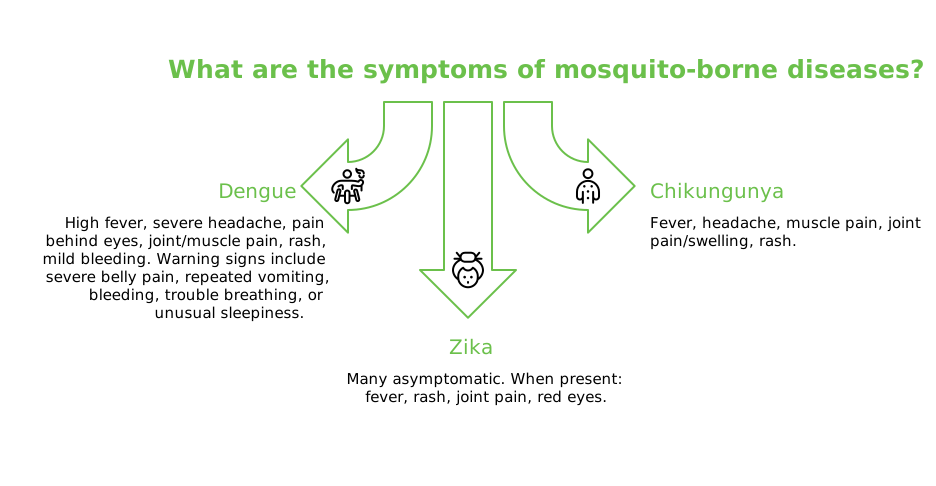
If you want a quick scan, Texas DSHS puts common symptoms and warning signs for multiple mosquito-borne diseases on one page, including dengue, chikungunya, and Zika. Texas DSHS
Use these as a guide to what to watch for:
- Dengue: high fever plus symptoms such as severe headache, pain behind the eyes, joint and muscle pain, rash, and mild bleeding. The same Texas DSHS guidance also lists warning signs that mean you should get medical care right away, like severe belly pain, repeated vomiting, bleeding, trouble breathing, or unusual sleepiness.
- Chikungunya: symptoms can include fever, headache, muscle pain, joint pain and swelling, and rash.
- Zika: many people have no symptoms, but when symptoms happen they can include fever, rash, joint pain, and red eyes.
How public health advisories connect to your real life (and your backyard)
Public health alerts can feel abstract until you realize they are basically saying: “Hey Austin, mosquitoes are out in force, so protect yourself.”
Austin Public Health’s “Four Ds” guidance also points out that while different mosquitoes bite at different times, the mosquitoes that spread West Nile virus are most active between dusk and dawn. Austin Public Health
What to do when you hear “higher activity” locally
Try this simple playbook:
- Shift outdoor time earlier when you can, especially for long patio hangs.
- Suit up for peak bite windows: long sleeves, long pants, and repellent.
- Do a fast water check after rain.
- Tighten screens and doors so mosquitoes stay outside where they belong.
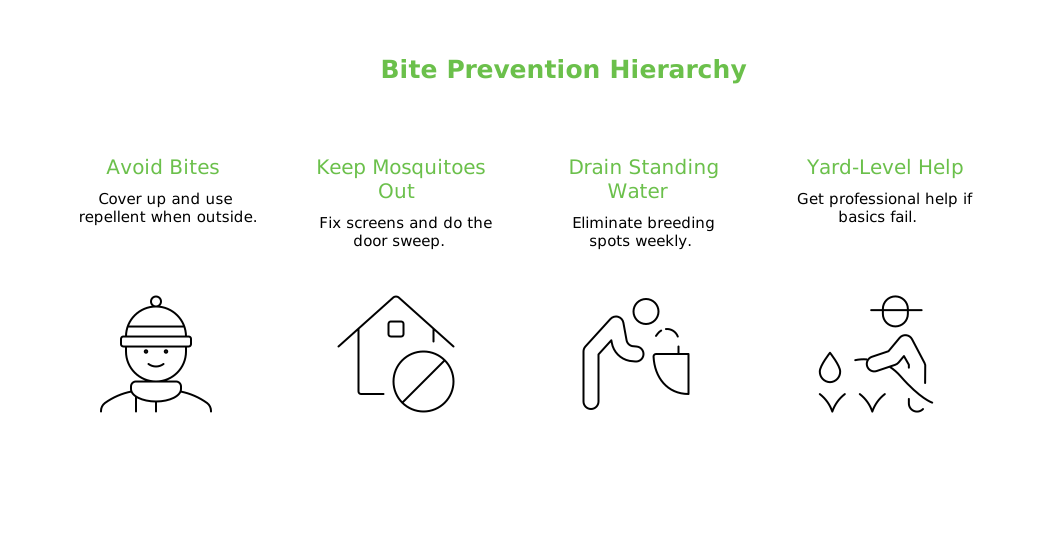
Bite prevention hierarchy (best protection first)
You do not need to turn into a full-time mosquito detective. You just need a few habits that stack.
Level 1: Avoid bites on your body
- Cover up when you can. Loose, light clothing feels better in the heat.
- Use repellent when you are outside during heavy mosquito times.
Level 2: Keep mosquitoes out of indoor spaces
- Fix tears in window screens.
- Do the “door sweep” when kids or customers come in and out.
Level 3: Drain standing water weekly (especially after rain)
Mosquitoes need water to multiply. If you knock out breeding spots regularly, you cut the number of biters that can hatch out in your own yard.
Quick targets around Austin homes and businesses:
- Plant saucers
- Buckets and kids’ toys
- Pet bowls left outside
- Birdbaths (refresh often)
- Clogged gutters
Level 4: Yard-level help when mosquitoes keep winning
If you have done the basics and still cannot enjoy your yard, it is time to get a pro set of eyes on breeding spots and adult resting areas.
See what our happy customers are saying! Read real reviews and discover why homeowners trust us.
When it’s time to call BrockStar Pest Services
BrockStar Pest Services is Austin-based and provides Mosquito Control in Austin, along with residential and commercial pest work across the area—with the hometown mindset of “Keep’n it Local.”
If your backyard time is getting wrecked week after week, give us a call and get a fast quote. We’ll help you figure out what’s driving the bites, pinpoint the hotspots around your property, and set up a plan that actually fits how you live outside.
FAQ
1) What mosquito-borne diseases should Austin and Central Texas residents know about?
Locally, West Nile is the one most often tied to summer advisories, and Texas health guidance also covers dengue, Zika, and chikungunya for travelers and risk awareness. If you want one place to scan symptoms and warning signs, Texas DSHS has a combined overview page.
2) What symptoms should make me call a doctor after mosquito bites?
If you have fever and feel unusually sick, it is smart to get medical advice. Severe symptoms that affect the nervous system like confusion, seizures, or weakness are a “call now” situation.
3) What is the best way to lower mosquito-borne disease risk at home?
Start with bite protection on your body and then remove standing water weekly, especially after rain. Those two habits reduce the number of bites you take and the number of mosquitoes that can hatch on your property.
4) If West Nile mosquitoes bite most at dusk and dawn, why am I still getting bit during the day?
Austin has multiple mosquito species, and some are active during daylight hours. That is why daytime protection (repellent and covering up) still matters, even if dusk and dawn are the peak concern for West Nile.
5) When does it make sense to hire mosquito help for a yard or business?
If you have tightened up water cleanup and bite protection and mosquitoes are still wrecking your outdoor areas, a pro can help identify breeding spots and resting zones you might miss. For Austin-area help, BrockStar can take a look and build a plan around how your property is used.