Austin’s warm climate and outdoor lifestyle make our city a paradise for many people—but it’s also a thriving habitat for various insects. The good news? Not all of them are dangerous. The important news? Some definitely are. If you’re a homeowner worried about keeping your family safe from stinging, biting, or disease-carrying insects, you’ve come to the right place.
Yes, Austin has several dangerous insects that you should know about. Whether it’s a painful sting, a disease-carrying bite, or an encounter that could trigger allergic reactions, understanding which insects pose real risks can help you protect your home and loved ones.
This guide covers the insects Austin homeowners should be aware of, what makes them dangerous, and what steps you can take to stay safe. When prevention and DIY measures aren’t enough, that’s where professional pest control comes in.
Protect Your Home Today! Don’t let pests take over. Schedule expert termite, mouse, flea, bed bug, fire ant, mosquito, and wasp control in Austin now.
Fire Ants: Austin’s Most Aggressive Stingers
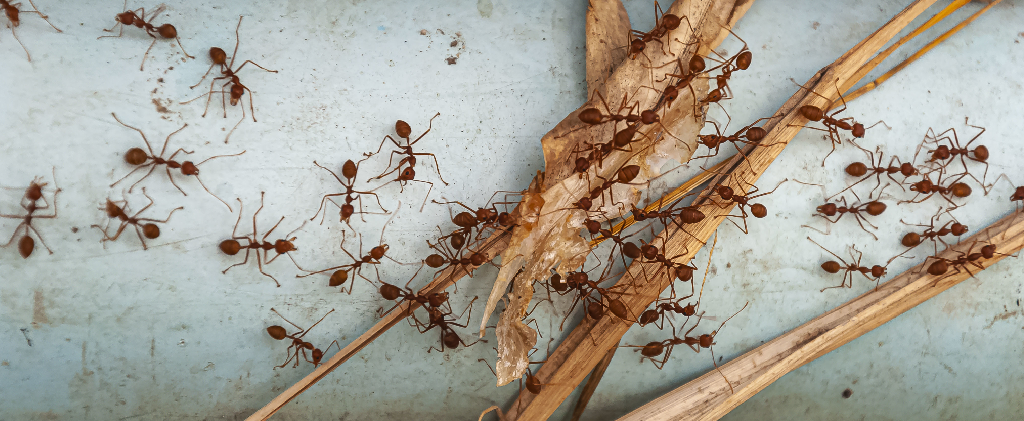
If you’ve lived in Austin long enough, you’ve probably heard about fire ants—and maybe even felt their sting. Red imported fire ants are among the most aggressive stinging insects in Texas, and they’re deeply established throughout the Austin area.
What they look like: Fire ants are small, reddish-brown insects, usually about 1/8 inch to 1/4 inch long. They build distinctive dome-shaped mounds in yards, typically in open areas like lawns, gardens, and fields. These mounds can reach 18 inches tall or more.
Why they’re dangerous: When you accidentally step on or disturb a fire ant mound, the ants swarm and bite. What makes them truly dangerous is the venom they inject with each sting. The sting creates a burning sensation (hence the name) and often leaves a white pustule that itches for days. More concerning, fire ant stings can trigger allergic reactions in some people, ranging from mild discomfort to life-threatening anaphylaxis.
Children and pets are especially vulnerable since they may not move away quickly enough when attacked. Multiple stings—which are common since fire ants attack as a group—increase the severity of reactions.
Where you’ll find them: Fire ants thrive in Austin’s warm, humid summers. They’re commonly found in yards, around foundations, in mulch beds, and in grassy areas. They’re most active during warm months but can remain active year-round in our climate.
Mosquitoes: Small Insects, Serious Diseases
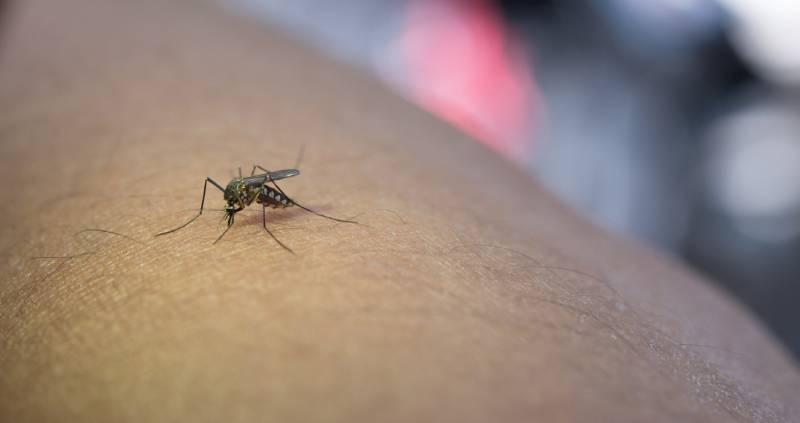
Many Austin residents think of mosquitoes as a summertime annoyance—but they’re far more dangerous than just an itchy bite. Mosquito season in Austin runs from May through November, and the insects that thrive during this time can carry serious diseases.
Diseases mosquitoes carry: The most significant threat in Austin is West Nile virus, which mosquitoes transmit to people through their bites. Other potential threats include Zika virus, dengue fever, and encephalitis.
Local impact: This isn’t abstract risk. In 2024, Austin-Travis County experienced 33 confirmed West Nile virus cases, including two deaths. Additionally, 101 mosquito pools tested positive for West Nile virus that year.
Why they’re dangerous: Most people who get West Nile virus experience mild symptoms or no symptoms at all. However, about 1 in 150 infected people develop serious illness affecting the central nervous system, which can include high fever, headache, body aches, and in severe cases, neurological complications. Older adults and people with compromised immune systems face higher risk.
Prevention matters: Mosquitoes that spread West Nile are most active between dusk and dawn. Austin Public Health recommends the “Four Ds” to protect yourself: Dress in long sleeves and pants, apply DEET-based insect repellent, Drain standing water around your home, and avoid being outside during Dusk and Dawn.
Kissing Bugs and Chagas Disease
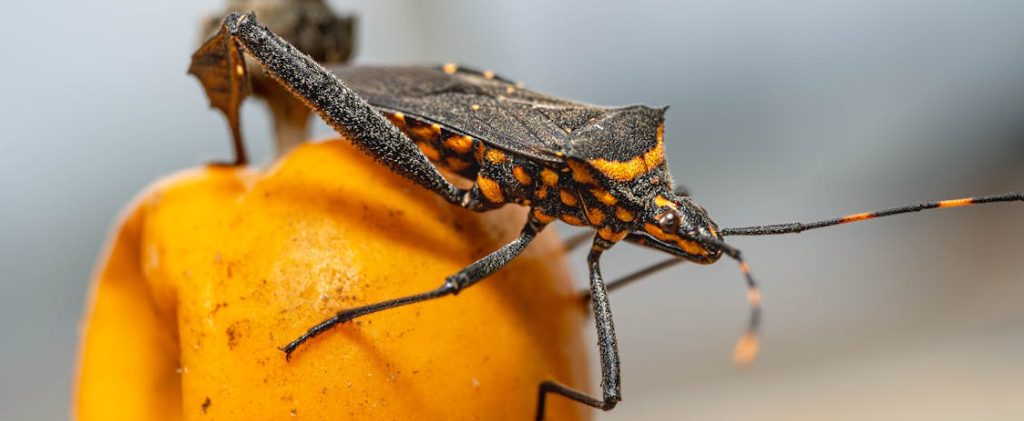
Kissing bugs sound harmless—until you learn what they actually do. These insects earned their nickname because they often bite people around the mouth and eyes while feeding at night, but the real danger isn’t the bite itself.
What they are: Kissing bugs are about 1/2 to 1 inch long, brown or reddish-brown, and feed on blood. They’re active primarily at night (nocturnal) and can be found both outdoors and sometimes inside homes. Eleven different kinds of kissing bugs exist in the United States, with Texas, New Mexico, and Arizona having the most species.
The real threat—Chagas disease: The danger from kissing bugs comes from the parasite they carry: Trypanosoma cruzi, which causes Chagas disease. About 55% of kissing bugs tested are infected with this parasite. Here’s how transmission happens: When kissing bugs feed, they often defecate on the skin. If you scratch the bite and the feces enter your body, or if the feces get into your mouth or eyes, the parasite can infect you.
Why it matters: Chagas disease has been declared endemic in the United States, meaning it’s now considered a disease that occurs naturally in certain regions, including Texas. The disease has two stages: an acute phase (which may cause fever, fatigue, and body aches) and a chronic phase that can develop years later, potentially causing heart problems and other serious complications.
Local risk: Texas, particularly southern Texas, has the highest concentration of kissing bugs in the United States, and Chagas disease risk is higher in southern states where there are more kissing bugs.
Stinging Caterpillars: The Deceptive Danger
They look soft and fuzzy, but some caterpillars in Austin pack a venomous punch. The most dangerous is the asp or puss caterpillar.
What they look like: Puss caterpillars are covered in what appears to be soft, hair-like spines, typically brown, gray, or white. They’re small—about an inch long—and their fuzzy appearance makes them look harmless. This is exactly why they’re dangerous: people, especially children, are tempted to touch them.
Why they’re dangerous: Beneath those soft-looking hairs are venomous spines that cause intense pain, burning, and sometimes blistering when touched. The pain can last for hours and may require medical attention. Texas poison centers have documented many reported stings from these caterpillars.
When they’re active: Puss caterpillars are most common in spring (April-June) and fall (October-November), when they’re feeding on tree leaves.
What to do: Never touch any unfamiliar caterpillar. If stung, remove any remaining spines with tape, apply ice, and seek medical attention if the pain is severe or you develop an allergic reaction.
Africanized Bees: Austin’s “Killer Bee” Reality
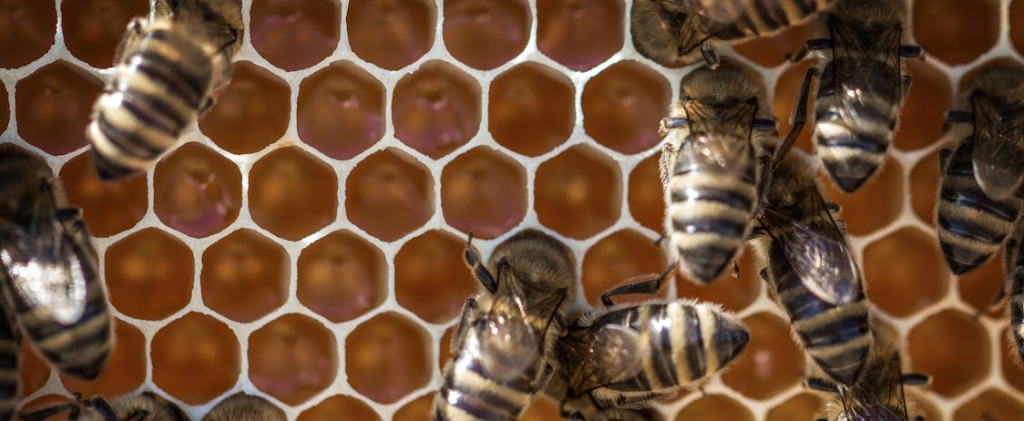
Not all bees are the gentle pollinators we think of. Africanized bees—sometimes called “killer bees”—have established populations in Texas and pose a real threat.
What’s different about them: Africanized bees are hybrids that are much more defensive than European honey bees. While a European honey bee colony might send a few guard bees to investigate a threat, an Africanized colony will attack in large numbers with a mission to protect their hive.
Why they’re dangerous: Africanized bees don’t produce more venom than regular bees, but they attack in much larger numbers and can pursue threats for distances up to a quarter mile. For most people, this just means more stings. For people with bee allergies, a large number of stings can be life-threatening.
Presence in Austin: Africanized bees have been spreading throughout Texas and are now found in many parts of Central Texas.
What to do: If you encounter a bee hive or a swarm near your home, do not attempt removal yourself. Professional removal is essential, especially if the bees are Africanized.
Wheel Bugs and Assassin Bugs
Wheel bugs earn their name from the distinctive wheel-shaped crest on their back. These insects look intimidating, and for good reason.
What they are: Wheel bugs and other assassin bugs are predatory insects that feed on other bugs. Adult wheel bugs are about 1 inch long and have a distinctive orange and black coloring with a prominent wheel-like crest on their back.
Why they’re dangerous: Wheel bugs have a long, needle-like beak they use to pierce and inject venom into their prey. If handled or threatened, they’ll use this beak on humans, and the result is incredibly painful. The bite has been compared to a wasp sting or a needle injection, and the pain can last for hours.
Important context: Wheel bugs are actually beneficial—they hunt garden pests. They only bite humans if they feel threatened or are handled roughly. If you see one, admire it from a distance and leave it alone.
Other Dangerous Insects Austin Homeowners Should Know
Beyond the major threats, Austin has several other insects worth knowing about:
Red velvet ants (cow killers): These fuzzy, colorful insects aren’t actually ants—they’re wingless wasps. Female red velvet ants have one of the most painful insect stings in North America, rivaling the pain of a bullet ant. Despite the painful sting, they’re not aggressive and only sting if threatened or stepped on.
Chiggers: These tiny mites are barely visible to the naked eye, but their bites create intense itching. Chiggers attach to skin and feed for several days, causing red welts that itch severely, sometimes for weeks. While not dangerous in the traditional sense, scratching the bites can lead to infections.
Blister beetles: These beetles produce a chemical called cantharidin that causes blistering when it contacts skin. Never crush these insects on your skin. If you encounter one, brush it away gently or use a tool to remove it.
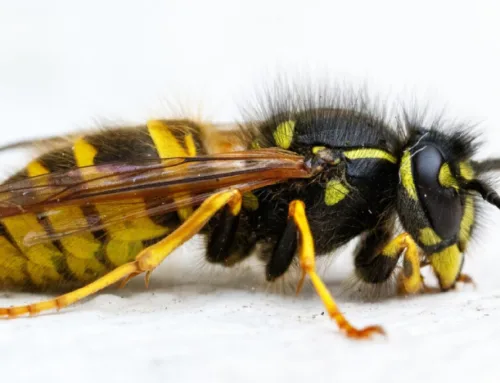
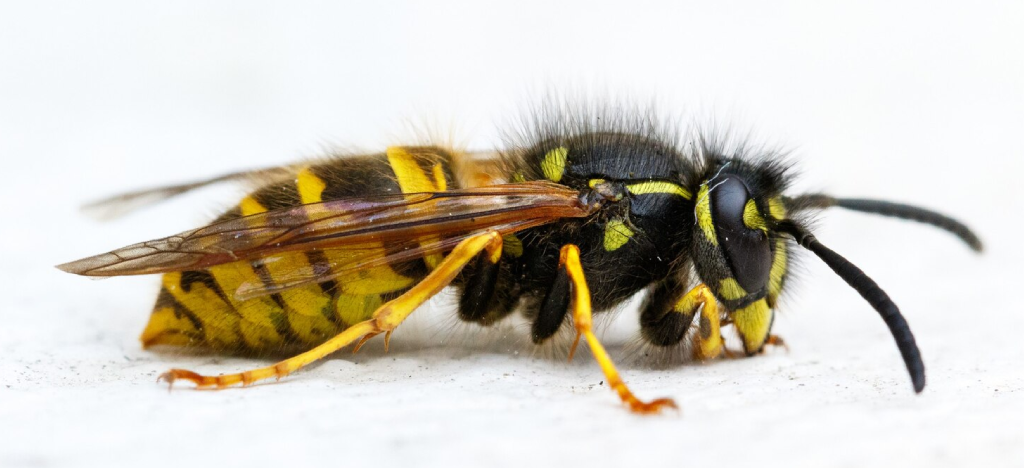
Paper wasps and yellowjackets: These wasps build paper-like nests and become aggressive if their nest is disturbed. Unlike bees, they can sting multiple times without dying, and they’re more likely to sting than many other insects.
When to Seek Professional Pest Control
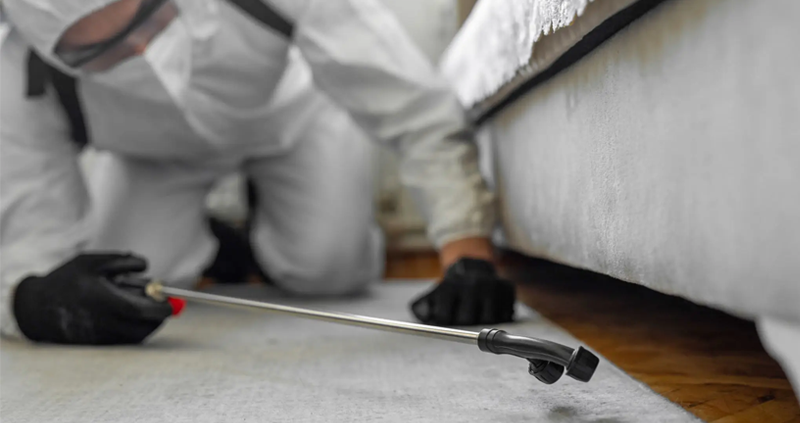
DIY prevention is great, but sometimes you need professional help. Here’s when to call in the experts:
Active nests or hives: If you’ve found a fire ant mound, a wasp nest, a bee colony, or other dangerous insect nesting near your home, professional removal is safer than attempting it yourself. We have the equipment and knowledge to remove nests without putting you at risk.
Repeated encounters: If you’re constantly finding dangerous insects around your home, that’s a sign of an active population. Professional treatment can eliminate the problem at its source.
Allergic reactions: If you or a family member has experienced an allergic reaction to insect stings or bites, reducing your exposure to these insects becomes a health priority. Professional pest management can help.
Peace of mind: Sometimes, knowing that a professional has assessed your property and treated areas where dangerous insects hide is worth the investment.
Protection Tips for Austin Homeowners
While professional pest control handles serious infestations, you can take steps right now to reduce dangerous insects around your home:
Yard maintenance: Keep grass trimmed short, remove dead branches and wood piles, and clear debris where insects hide. Fire ants and other pests thrive in cluttered yards.
Remove standing water: Mosquitoes breed in standing water. Check gutters, birdbaths, flowerpots, old tires, and any low spots that collect water after rain.
Seal entry points: Caulk cracks around doors and windows, and seal gaps where pipes and utilities enter your home. Many insects look for ways inside, especially in cooler months.
Use proper outdoor clothing: When spending time outdoors during mosquito season or when chiggers are active, wear long sleeves and long pants. Light-colored, loose-fitting clothing makes it easier to spot insects before they bite.
Apply insect repellent: Use EPA-approved insect repellents containing DEET when spending time outdoors, especially during dawn and dusk when mosquitoes are most active.
Know when to seek emergency care: If you experience severe allergic reactions (difficulty breathing, swelling of the throat or face, or signs of anaphylaxis) after an insect bite or sting, seek emergency medical attention immediately.
See What Our Customers Are Saying! Read our testimonials to discover how we’ve helped Austin homeowners!