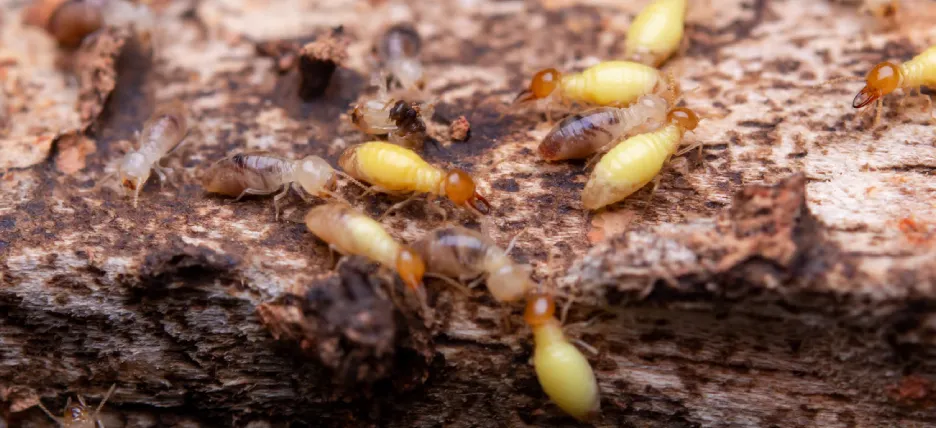
If you are in Austin and termites are on your mind, you are not alone. Termites are sneaky, and the internet can turn a small worry into a full blown panic.
So let’s keep it simple. Below are the termite control in Austin questions we hear all the time, answered in plain English, with Austin in mind.
We provide expert termite control across Austin, Dripping Springs, Bee Cave, Lakeway, Round Rock, Buda, and Kyle. Protect your home today!
Termites in Austin – the basics homeowners need
What kinds of termites we see most in Central Texas
Around Central Texas, subterranean termites are a common concern because they live in the soil and can reach wood by traveling through shelter tubes and cracks. Texas A and M AgriLife explains how swarmers, mud tubes, and other signs show up around homes, and notes that swarms are most commonly seen in Texas from February through May. Texas A and M AgriLife termite FAQ
The top signs of termite activity
If you are scanning your home like a detective, start here:
- Mud tubes on a foundation, slab edge, or pier
- Wings or swarmers near windows, lights, or spider webs
- Wood that sounds hollow when you tap it, or looks layered and rough
If you spot a mud tube, leave at least part of it alone. It is useful evidence for an inspector.
When termites swarm in Austin (and why rain matters)
Swarmers often show up when weather is warm and humid. After rain, you may notice more activity outside, especially near lights. Rain does not cause termites, but moisture can make their movement and signs easier to notice.
I think I have termites – what should I do right now?
Do this first (and what not to do)
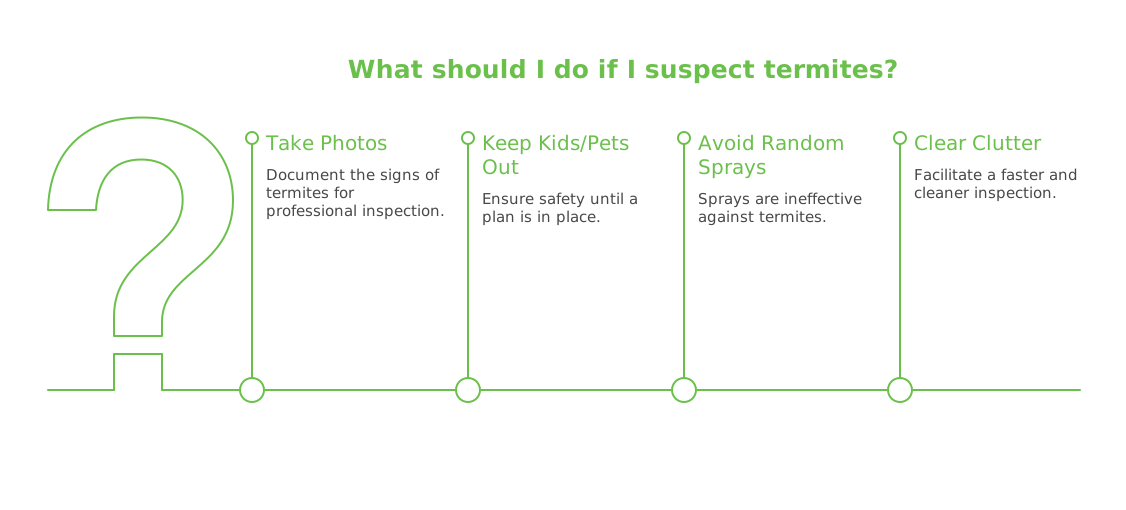
Take a breath, then do these quick steps:
- Snap a few photos of what you see (wings, tubes, damaged wood).
- Keep kids and pets out of the area until you get a plan.
- Do not spray random bug killer into cracks and call it good. Termites rarely sit out in the open where sprays help.
- Move clutter away from the foundation so an inspection is faster and cleaner.
What a professional termite inspection usually includes
Every home is different, but a termite inspection usually focuses on risk zones and entry points. Think slab penetrations, garage corners, plumbing lines, expansion joints, and any wood sitting close to soil. The inspector is looking for signs, likely pathways, and conditions that make termites more comfortable.
WDI inspections in Austin home sales
If you are buying or selling, you may need a WDI (Wood Destroying Insect) inspection. A WDI is a formal report used in many real estate deals. It is not just “a quick look”, it is documentation with a defined scope.
Termite treatment options, explained in plain English
Liquid soil treatment (barrier protection)
A liquid soil treatment creates a treated zone in the soil where termites travel. The goal is to stop termites from reaching the structure and to reduce activity where they are already present.
Bait systems
Bait stations are placed and checked over time. If termites feed, the bait is designed to be carried back into the colony.
Wood treatments and treated building materials
Some jobs call for wood focused protection, especially when repairs or additions expose wood that needs extra help.
How long treatment takes and when it’s okay to return home
Treatment time depends on the method and the layout of the home. The EPA lists approved termite treatments (including liquid soil applied termiticides, baits, wood treatments, and treated building materials) and emphasizes that products must be used in strict accordance with label directions. EPA termite control overview
Kids, pets, and safety questions
Is termite treatment safe around children and pets?
Termite work is usually targeted, planned, and done with safety steps in place. Your technician should explain where products go, what areas to avoid during service, and when it is okay to return.
How long should kids and pets stay away?
The honest answer is: it depends on the product and where it is applied. Follow the label and your technician’s instructions for re entry. NPIC recommends removing pets from areas being treated, moving pet bowls and bedding, and keeping pets away until the label time or until sprays are fully dry, whichever is longer. NPIC pets and pesticide use fact sheet
Prep checklist for families
Use this as a quick, low stress prep list:
- Pick one room as your “safe zone” during service.
- Put away toys, pet toys, and anything that gets chewed.
- Move pet food and water bowls out of treatment areas.
- Ask about aquariums and air pumps if you have fish.
- Plan a short errand so the home can ventilate if needed.
Rain, moisture, and weather in Austin
Does rain make termites worse?
Rain can line up with termite activity and make signs show up at the same time. That can feel like the rain caused it, but often it just made it easier to spot.
Will heavy rain wash away termite protection?
Proper termite protection is designed to work where termites travel. If you have major flooding, soil movement, or construction that changes how water flows around your home, it is smart to schedule a recheck.
Moisture fixes that help prevent termites
Moisture control is a homeowner’s best sidekick. A few practical moves:
- Fix leaks quickly, inside and outside.
- Keep mulch and soil from piling up against siding.
- Point sprinklers away from the foundation.
- Store firewood off the ground and away from the house.
Remodels, repairs, and timing
Can I remodel during or after termite treatment?
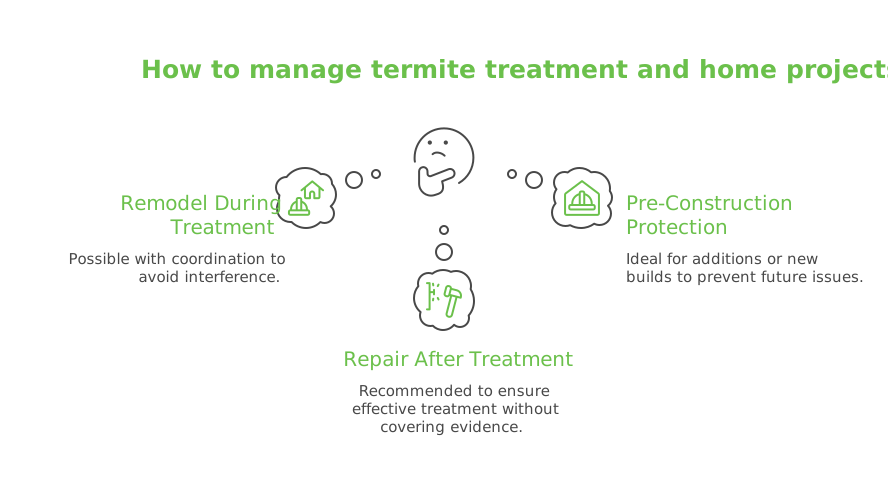
Often, yes. The big thing is coordination. If your remodel includes slab cuts, plumbing changes, or major grading work, tell your termite pro early so the plan can match the project.
Should I repair termite damage before or after treatment?
If you suspect active termites, treating first is usually the cleaner path. Repairs can cover evidence and make it harder to confirm what is happening.
Pre construction termite protection for additions or new builds
If you are adding on, pre treatment can be easier to apply before everything is sealed up. It is one of those “do it now so you do not regret it later” steps.
Warranties, guarantees, and choosing a licensed pro
What a termite warranty usually covers (and what it may not)
Some agreements focus on retreatment if termites return. Others may include reinspections or extra terms related to remodeling and changes around the home. Read the details, and ask questions until the answers feel crystal clear.
Questions to ask before you sign anything
Bring these questions to any termite company:
- How often are reinspections scheduled?
- What triggers a retreatment?
- What prep is required from me?
- Is the agreement transferable if I sell the home?
- What happens if I remodel or change landscaping?
How to check a pest control license in Texas
In Texas, the Structural Pest Control Service under the Texas Department of Agriculture publishes reports of active structural pest control licenses and even provides a search option by zip code or address. That makes it easier to confirm you are hiring a licensed pro. TDA current structural pest control licenses
See what our happy customers are saying! Read real reviews and discover why homeowners trust us.
Book BrockStar Today!
If you want a local Austin team for termite control in Austin and WDI inspections—with friendly pros who keep things simple and get to work—book BrockStar today!
FAQ
1) Are termite treatments safe for kids and pets in Austin homes?
When treatments are applied correctly, safety comes down to smart prep and following instructions. Keep kids and pets out of treatment areas during service and return only when your technician says it is okay. If you want a local team that explains the steps clearly, BrockStar handles termite work in Austin.
2) Do termites swarm after rain in Austin?
They can. Warm, humid weather often lines up with swarming, and rain can make activity easier to notice. If you see swarmers inside, treat it like a red flag and schedule an inspection. BrockStar can help confirm what you are seeing and what to do next.
3) How long does a termite treatment take from start to finish?
It depends on the treatment type and the size and layout of your home. Some plans are a single visit, while others include monitoring over time. Your technician should give you a clear timeline before work begins, and BrockStar will walk you through what your home needs.
4) Can I remodel or replace wood after a termite treatment?
Usually yes, but tell your termite pro about your remodel plans. Big changes to slabs, plumbing, or soil grade can affect how termite protection is maintained. If you are remodeling in Austin, BrockStar can help you line up timing so the project stays on track.
5) What’s the difference between a termite inspection and a WDI inspection?
A termite inspection focuses on termite signs, risk areas, and a plan to protect the structure. A WDI inspection is a formal wood destroying insect report often used in real estate transactions, with a defined scope and documentation requirements. BrockStar provides both termite inspections and WDI inspections in Austin.