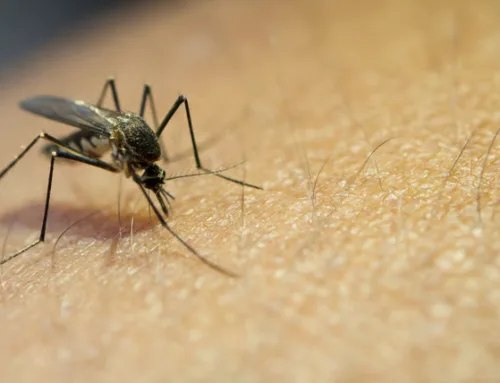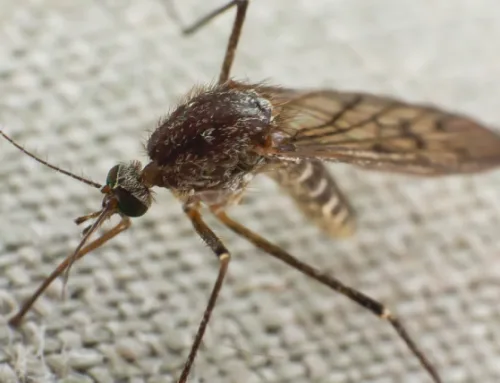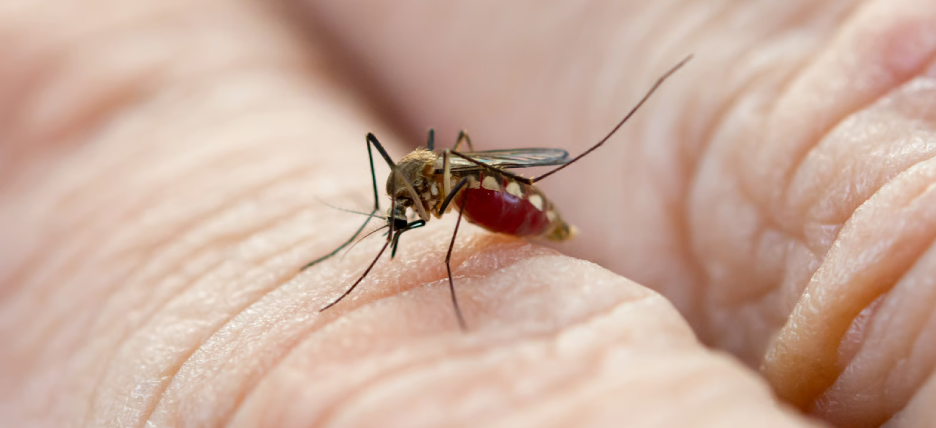
If you manage an apartment community, school/daycare, or office campus in Austin, mosquitoes can turn outdoor spaces into complaint magnets.
That’s why Mosquito Control in Austin for commercial properties has to be consistent, documented, and realistic—because one rough week can light up your inbox.
Austin notes that mosquitoes are around year-round, but populations are largest and most active from May through November—a big reason commercial sites often see seasonal spikes in tenant, parent, and employee feedback
(City of Austin Environmental Vector Control).
This page explains:
- Where mosquito pressure tends to show up on commercial properties
- The most common professional control approaches
- What “good documentation” usually looks like (high-level)
- What results to expect based on layout, shade, vegetation, and water influence
We provide expert mosquito control across Austin, Dripping Springs, Bee Cave, Lakeway, Round Rock, Buda, and Kyle. Protect your home today!
Why commercial properties feel mosquito pressure more
Commercial properties don’t just have mosquitoes—they have mosquito visibility. When ten people sit on a patio or fifty kids line up at pickup, one bite turns into five complaints.
And unlike a single backyard, commercial sites often have multiple “micro-yards” on one property: sunny open lawns, shaded courtyards, thick shrub lines, and drainage edges. Mosquito pressure can be low in one corner and high in another. Commercial sites usually have a mix of:
- More people outdoors (patios, courtyards, pickup lines, break areas)
- More landscaping (shade and dense plantings)
- More water influence (drainage, irrigation, retention areas, creek edges)
That combo can keep mosquitoes close to where people gather—so the issue is noticed faster than it might be at a single-family home.
Where mosquitoes show up most often on Austin commercial sites
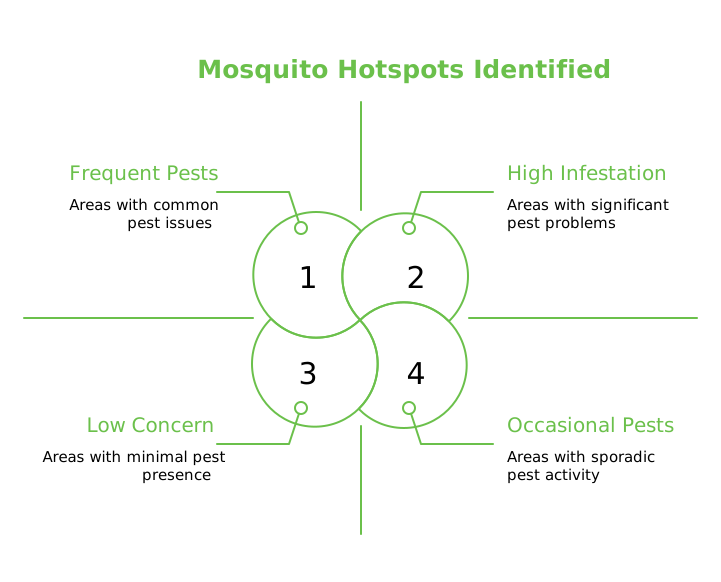
Below are common “hot zones” pros look at first.
Apartments and multifamily communities
- Courtyards and pool decks
- Dog runs and shaded paths
- Mailbox clusters and breezeways
- Fence lines and dense shrubs tight to buildings
Schools and daycares
- Playgrounds and shade structures
- Outdoor pickup/drop-off areas
- Field edges and spectator sidelines
- Damp corners near drainage paths
Office campuses
- Patios and outdoor break areas
- Entry landscaping and walkways
- Courtyards with thick plantings
- Borders near greenbelts or water features
Common commercial control approaches (what pros typically do)
Commercial mosquito control usually works best as a program, not a one-time visit.
The CDC describes Integrated Mosquito Management (IMM) as using multiple methods based on mosquito biology and local conditions, then checking results and adjusting as needed (CDC: Integrated Mosquito Management).
Site assessment and pressure mapping
On commercial sites, the first win is usually clarity. A good provider will help you understand where pressure is coming from and which outdoor spaces should be treated as priorities (patios, play zones, entry walkways, courtyards). A commercial plan typically starts with a walkthrough to identify:
- Likely breeding pressure (water-driven areas)
- Likely resting pressure (cool, protected pockets)
- Priority zones (where people actually spend time)
Larval control (when water is driving the issue)
When breeding pressure is tied to standing water or predictable wet areas, larval control can be part of the plan.
The EPA explains that larvicides target larvae in breeding habitat and that treating breeding sites can help reduce the adult mosquito population nearby (EPA: Controlling mosquitoes at the larval stage).
Adult control (bite reduction where people gather)
Adult control focuses on reducing the mosquitoes that are already flying and biting—especially in shaded, protected resting areas near people zones.
On commercial properties, that usually means focusing on the edges and transitions: under tree canopies, behind dense plantings, along fences and retaining walls, and around shaded seating where mosquitoes can sit tight during the day. Adult control focuses on reducing the mosquitoes that are already flying and biting—especially in shaded, protected resting areas near patios, walkways, and play zones.
Ongoing monitoring and scheduled follow-ups
Commercial properties tend to get more stable results when service is consistent through the season, because mosquito pressure can shift quickly after weather changes, landscaping cycles, and rain.
Integrated management best practices (built for real-world sites)
A strong commercial program is more than “spray and leave.” It’s a repeatable process:
- Inspect and track pressure zones
- Treat the right areas at the right time
- Review results and fine-tune the plan
The American Mosquito Control Association outlines best-practice guidance around integrated mosquito management, including using data, using multiple tools, and evaluating outcomes (AMCA: Best Management Practices).
Documentation expectations (high-level)
Documentation is how commercial properties stay consistent. It helps you answer questions like, “What did we do last month?” and “Which areas were the biggest trouble spots?”—without relying on anyone’s memory. Most commercial decision-makers want documentation that’s clear and easy to file, like:
- Service date(s)
- General areas addressed
- Notes on high-pressure zones and next steps
This helps with continuity across larger properties—especially when responsibilities shift between teams.
What results to expect by layout
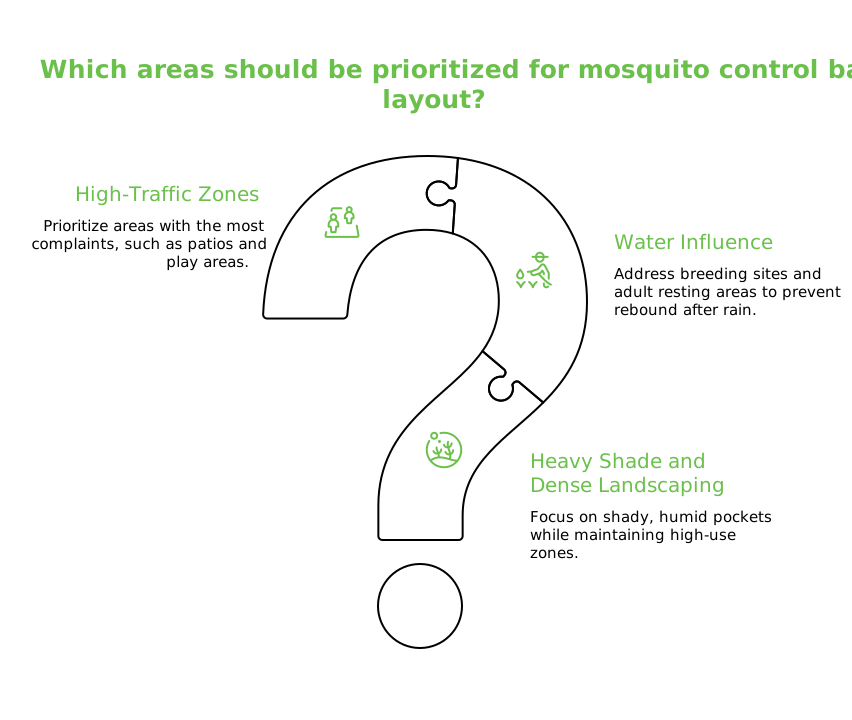
What results to expect by layout – visual selection
Results depend on how “mosquito-friendly” the site is. Here’s the pattern many commercial teams notice.
Heavy shade and dense landscaping
If your property has thick landscaping, it may feel like the mosquitoes have more places to hide. This doesn’t mean mosquito control “isn’t working.” It usually means the plan has to keep pressing the shady, protected pockets while maintaining the high-use zones. Shady, humid pockets can keep mosquitoes comfortable. Many properties feel improvement first in the most-used areas (patios, courtyards, main paths), then see deeper relief in the heavy-growth edges as the program stays consistent.
Water influence (drainage, creeks, retention areas)
If water influence is feeding the problem, pressure can rebound after rain. Programs often do best when they address both breeding-side pressure (when applicable) and adult resting pressure near people areas.
High-traffic outdoor zones
On apartments, schools/daycares, and office campuses, pros usually prioritize the spaces that drive the most complaints—like patios, play areas, pickup zones, and walkways.
Quick comparison table: pressure type and typical focus
| Site condition | What’s driving the pressure | What commercial programs usually prioritize |
|---|---|---|
| Shaded courtyards / dense shrubs | Resting adults in cool pockets | Targeted adult control + consistent schedule |
| Wet edges / retention zones / creek borders | More breeding opportunities nearby | Larval-stage coverage when appropriate + follow-ups |
| Patios, playgrounds, break areas | Complaints show up faster | Priority zones + monitoring |
See what our happy customers are saying! Read real reviews and discover why homeowners trust us.
Mosquito Control in Austin
If your property needs a mosquito plan that fits the site (and the season), BrockStar Pest Services can help.
Learn more about Mosquito Control in Austin and talk with a local team about a commercial-friendly program.
FAQ
1) What’s the difference between commercial mosquito management and a one-time treatment?
Commercial management is typically set up as a repeatable program: inspect, treat priority zones, review results, and stay consistent during peak months. One-time treatments may help for a short window, but many properties prefer a plan that keeps pressure down as conditions change.
2) How fast should we expect fewer complaints?
Most teams track progress by what tenants, staff, and visitors report in the highest-use areas first. If the property has heavy shade, dense landscaping, or nearby water influence, it can take steady service to keep results consistent.
3) Why do mosquitoes come back after rain?
Rain can shift where water collects and where mosquitoes develop. On properties with strong water influence, a program may need to address both breeding-side pressure (when applicable) and adult resting pressure near people areas.
4) Are commercial mosquito products and plans standardized?
Plans are usually tailored to the site. If you want plain-language clarity on product categories (like larval control versus adult control), the National Pesticide Information Center offers a straightforward overview of mosquito control pesticides and how they’re used (NPIC: Mosquito control pesticides).
5) When should Austin commercial properties start service?
Many commercial sites do best when they start before peak outdoor complaints and stay on a schedule through the high-pressure months. The right timing depends on your layout and how much shade, vegetation, and water influence the property has.