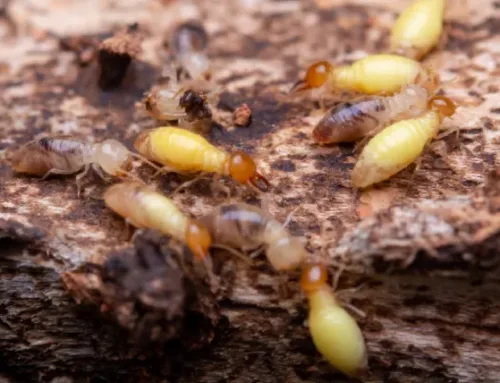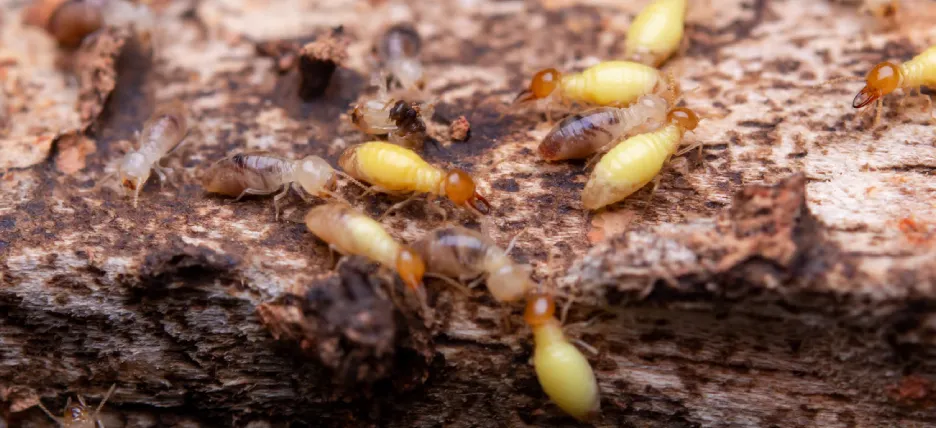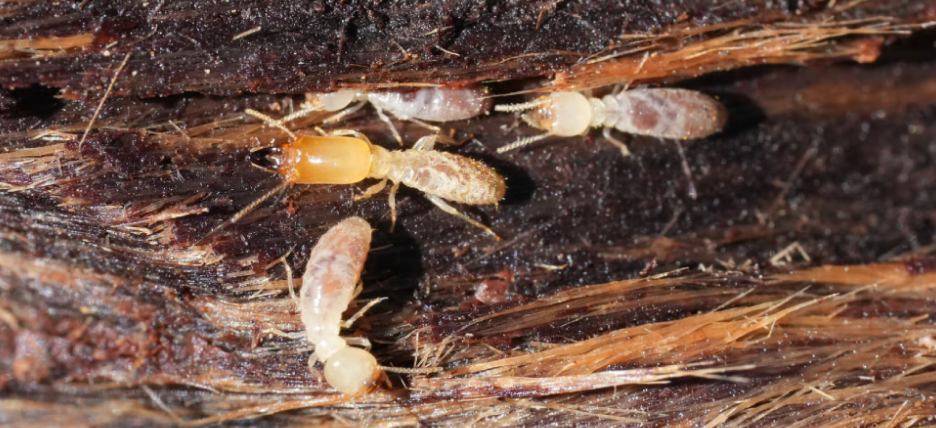
In Austin and nearby towns, termites are a reality—but not all termites act the same.
Drywood termites can live inside the wood they’re eating, so you might not see them… until you see what they leave behind. This page helps homeowners, landlords, and buyers/sellers:
- tell drywood vs subterranean termites apart,
- understand frass (those tiny pellets),
- learn why drywood activity can look localized, and
- pick a treatment direction using a simple decision tree.
When you’re ready for a pro to confirm what’s going on, Book our Termite Control Austin with BrockStar.
We provide expert termite control across Austin, Dripping Springs, Bee Cave, Lakeway, Round Rock, Buda, and Kyle. Protect your home today!
Drywood vs subterranean termites: the quick ID guide
Drywood termites live in sound, dry wood above ground and don’t need soil contact, while subterranean termites are tied to soil (Texas A&M AgriLife Extension Drywood Termites (E-366) PDF).
Fast clues you can actually use
- Drywood termites: frass pellets, tiny kick-out holes, and sometimes swarmers indoors.
- Subterranean termites: mud tubes on foundations and soil-related entry paths.
Signs of drywood termites in Austin homes
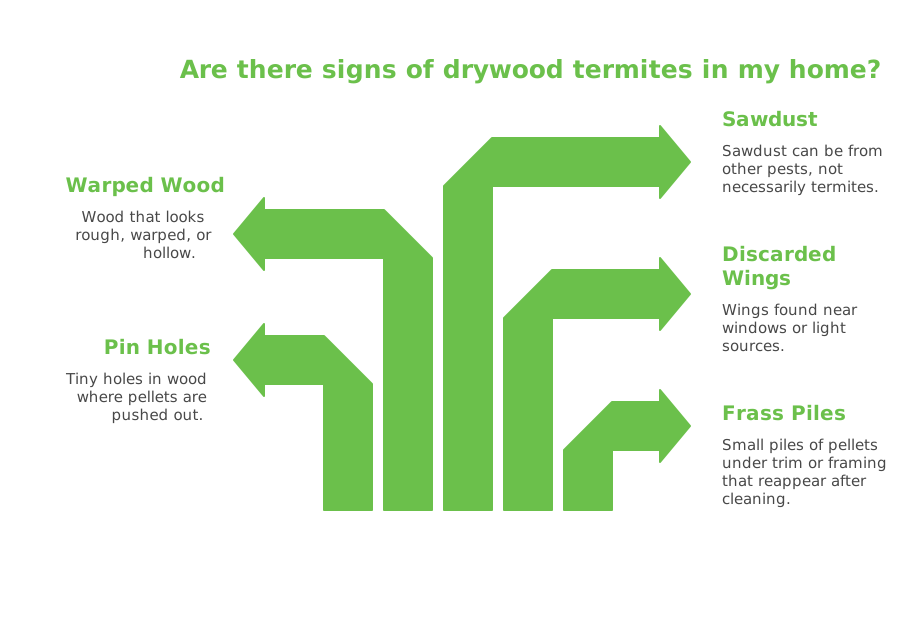
Drywood termites spend most of their time hidden in wood, so you’re usually looking for evidence.
Frass (pellets): what it is and where it shows up
Drywood termites can leave fecal pellets (frass) that collect in small piles near the infested wood (Texas A&M AgriLife Extension Drywood Termites (E-366) PDF).
What homeowners commonly notice:
- Small piles under trim, sills, or framing
- Pellets that reappear after you clean them up
Other common clues
- Tiny “pin” holes in wood (pellets can get pushed out)
- Discarded wings near windows or light sources
- A spot of wood that suddenly looks rough, warped, or hollow
What can look similar (but isn’t termites)
Sawdust can also come from other wood pests, and random wings don’t always mean termites. If you’re unsure, don’t poke at it—get it checked.
Why drywood activity can look localized
Drywood termites can be tough to detect, and figuring out the true extent of an infestation usually takes experience—especially when activity isn’t obvious in every room (UC IPM Drywood Termites identification and management).
That’s why we start with inspection and mapping before talking treatment.
Treatment options: spot/wood injection vs fumigation
There’s no one-size-fits-all plan. The right path depends on how many areas are involved, how accessible the wood is, and how confident we are about the boundaries.
Spot treatment and wood injection
Spot methods (including drilling and injecting treatment into targeted wood) are typically considered when activity is limited to one or a few defined areas and can be reached without guessing (Texas A&M AgriLife Extension drywood termite treatment overview).
Whole-structure fumigation
Fumigation is often considered when activity seems widespread or hard to pin down, since it treats the structure as a whole rather than one board at a time (EPA termite treatment overview).
Decision tree: spot treatment or fumigation?
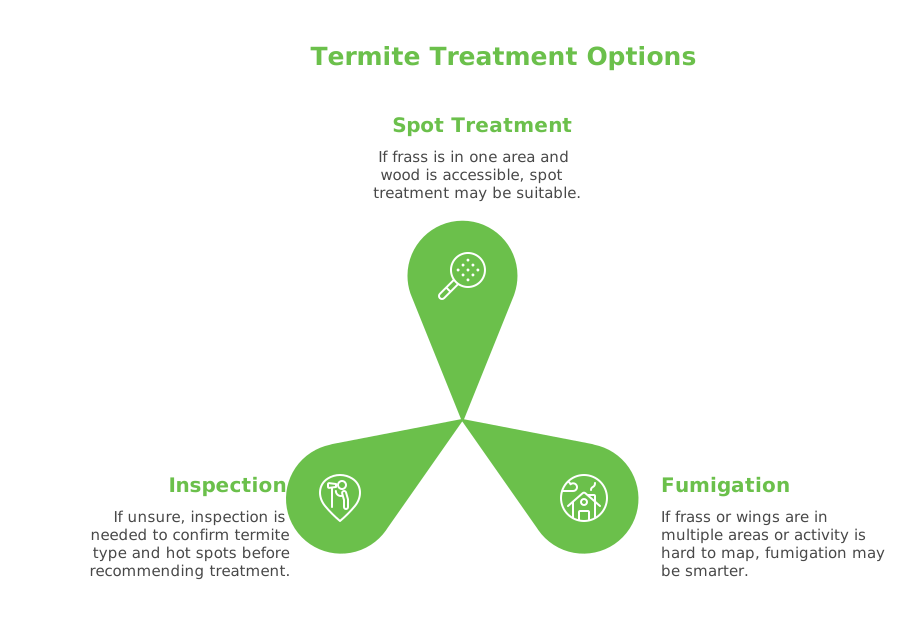
Use this as a simple starting point—then let inspection confirm what’s really happening.
Path A: One clear area + reachable wood
You may be a spot/wood injection candidate if:
- frass keeps showing up in one consistent location, and
- the suspected wood is accessible and easy to target.
Path B: Multiple areas + “we can’t pin it down”
Fumigation may be the smarter call if:
- frass or wings show up in more than one part of the home, or
- activity seems spread out, hidden, or hard to map.
Path C: Not sure yet
Inspection first. We confirm the termite type, look for hot spots, and then recommend the right direction.
Prevention tips (drywood-friendly)
Drywood termites don’t need soil contact, so prevention is mostly about the wood and the openings that give them access.
Simple habits that help:
- Keep exterior wood in good shape (repair and seal where needed)
- Fix gaps where wood meets the outside (trim, fascia, eaves)
- Store firewood and lumber away from the structure
- After repairs or roof work, keep an eye out for new frass piles
Buying, selling, or managing rentals?
If you’re on a real estate timeline in Texas, a Wood Destroying Insect (WDI) report may be requested to document visible evidence and conditions noted during inspection (Texas Department of Agriculture T-5 WDI report).
Landlords: a quick walk-through between tenants—especially around windows, trim, and attic access—can help catch frass early.
See what our happy customers are saying! Read real reviews and discover why homeowners trust us.
Ready to stop guessing? Book our Termite Control Austin
If you’re seeing pellets, wings, or wood damage, BrockStar can help you get clear answers and a plan that fits your home.
When you reach out, tell us:
- where you’re located (Austin or nearby),
- what you’ve noticed (frass, wings, damaged wood), and
- whether you’re on a real estate deadline.
Book our Termite Control Austin and let’s kick those unwelcome guests out.
FAQ
1) What does drywood termite frass look like?
Frass usually shows up as tiny, hard pellets that collect in small piles. If you’re seeing pellets that keep coming back in the same spot, that’s a good reason to schedule an inspection.
2) Do drywood termites live in the ground like subterranean termites?
No—drywood termites are tied to the wood itself, while subterranean termites are tied to the soil. If you’re not sure which one you’re dealing with, an inspection is the fastest way to get a clear answer.
3) Can spot treatment work for drywood termites?
It can, especially when activity seems limited to a defined, reachable area. The goal is to confirm the boundaries so we’re not guessing.
4) When is fumigation the better option?
Fumigation is usually considered when signs show up in multiple areas or the source can’t be mapped with confidence. If you’re seeing pellets in more than one place, it’s worth talking through bigger-scope options.
5) What should landlords check between tenants?
Do a quick look around windowsills, trim, and any exposed wood in garages or utility areas. If you spot new pellets or wings, it’s worth getting it checked before it turns into a bigger repair.