Outdoor weddings. School events. Community festivals. Austin knows how to throw a good time.
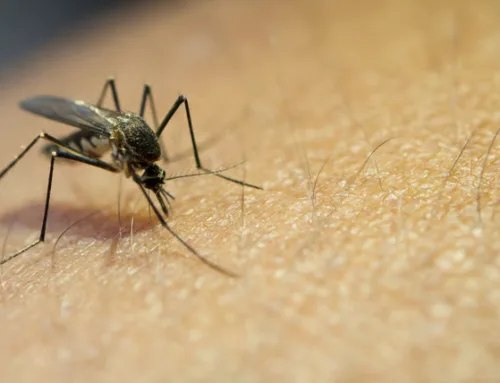
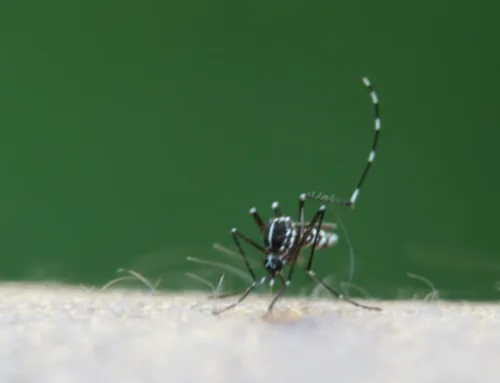
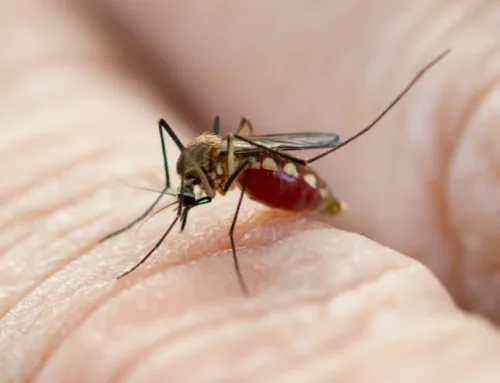
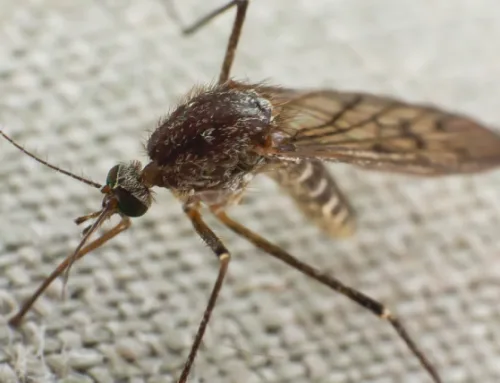
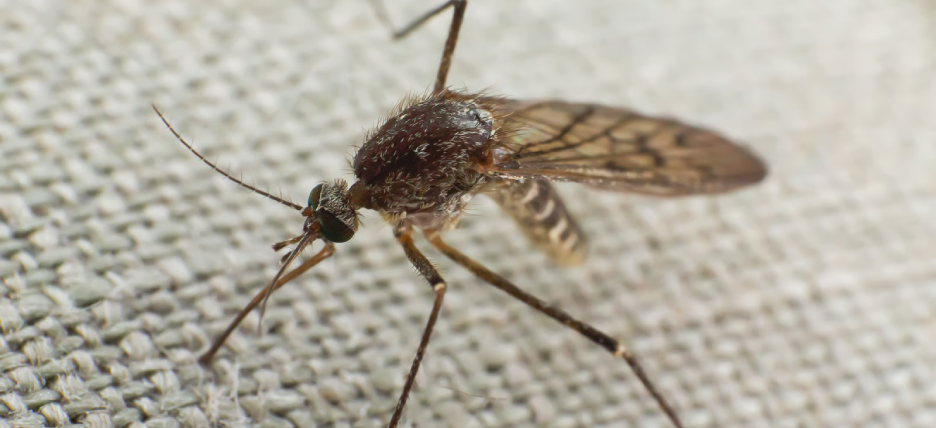
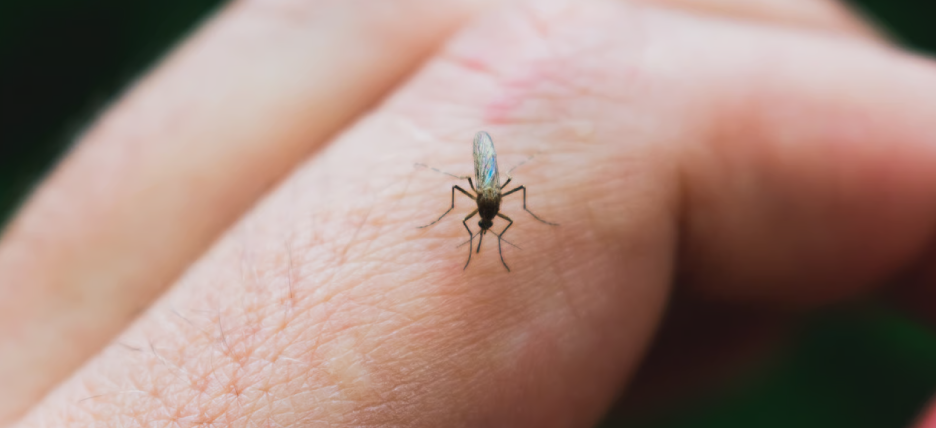
Mosquitoes do too.
The good news is you can cut bites fast with Mosquito Control in Austin strategies—if you treat your event like a plan, not a last-minute panic. Here’s a venue-friendly guide with two timelines (this weekend and 1 to 2 weeks out), quick site moves that help right away, and day-of tactics guests actually notice.
Local heads up: Austin says mosquitoes are around year-round, but the population is largest and most active from May through November, and Austin Public Health monitors for mosquito-borne viruses during that stretch (City of Austin Environmental Vector Control).
We provide expert mosquito control across Austin, Dripping Springs, Bee Cave, Lakeway, Round Rock, Buda, and Kyle. Protect your home today!
Start with the event reality
For events, mosquito pressure usually hits hardest where people bunch up:
- Ceremony seating, especially near trees and shrub lines
- Bars and drink stations
- Food lines and buffet areas
- Entry paths and restroom routes
- Kid zones at school events
If you only remember one thing, remember this:
GUEST ZONES FIRST.
Your goal is not to make every inch of the property perfect. Your goal is to keep the areas that matter from turning into a bite party.
Timeline for prep
If your event is this weekend
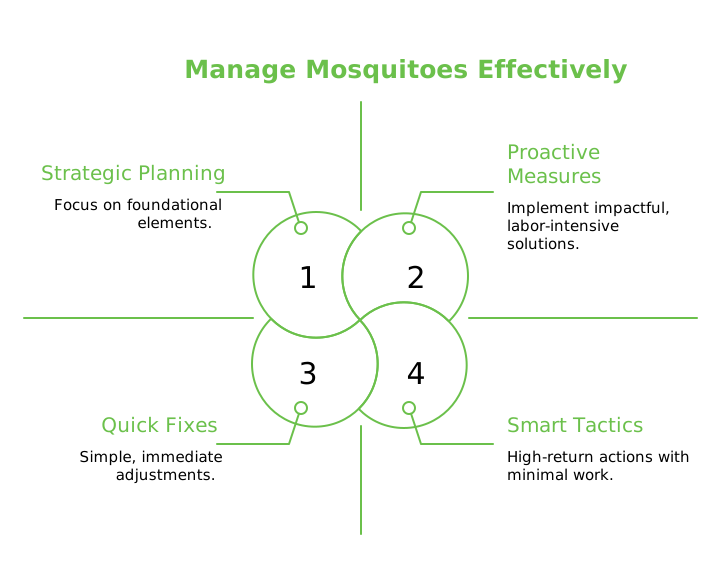
You still have options. Keep it simple and focus on what moves the needle now.
1) Lock in your comfort zones
Pick your top 2 or 3 guest zones, like:
- Ceremony seating and aisle
- Food and drink area
- Dance floor or main gathering space
These become your priority zones for any professional treatment and for your day-of setup.
2) Shift seating and lines away from the buggy edges
Mosquitoes like cool, protected pockets. On many Austin venues, the worst pressure sits right along:
- Fence lines with thick shrubs
- Under tree canopies
- Creek and drainage edges
- Back corners that stay damp
Even a small layout shift can help. Pull chairs and standing lines a few steps away from those edges and closer to open airflow.
3) Plan airflow for people areas
Air movement is one of the quickest day-of tools you can use. University of Florida IFAS notes that mosquitoes are weak fliers and that fans can help reduce mosquito bites in outdoor seating areas (UF IFAS Extension).
For weddings, that often means fans near ceremony seating and cocktail areas. For school events, fans near the check-in line and the busiest kid zone. For festivals, fans near vendor clusters and picnic seating.
4) Set a simple lighting rule
Lighting is about safety and flow, but it can also change insect behavior. Research reviews on artificial light at night point out that light can influence mosquito behavior and biting patterns in certain contexts (PMC: Artificial light at night and disease vectors).
Practical venue take: avoid creating one bright, hot spot right next to your main seating. Use lighting to guide movement, then keep the brightest fixtures a bit away from the hangout core when you can.
If your event is 1 to 2 weeks out
This is the sweet spot. You have time to prep the site and set a cleaner baseline before guests arrive.
1) Schedule service with a plan, not a guess
Professional mosquito programs are strongest when they are built around the site. The CDC describes Integrated Mosquito Management as using multiple methods based on mosquito biology and local conditions, then checking results and adjusting as needed (CDC: Integrated Mosquito Management).
In event language, that means a provider should focus on the right zones, at the right time, and not treat every venue like the same cookie cutter yard.
2) Identify the pressure drivers on your property
Most venues have one main driver:
- Shade and thick landscaping
- Water influence (pond, creek, drainage, irrigation)
- Both
Call this out early because it changes where effort goes.
3) Make quick site changes that help in days, not months
You do not need a landscape remodel.
You do need fewer mosquito hangouts near guests.
Fast moves that often help:
- Keep the main gathering zone in open airflow, not tucked into thick shrubs
- Use temporary barriers like rope and stanchions to keep lines from forming along fence and shrub edges
- Pick a kids zone that is sunny and breezy, not shaded and still
What professional mosquito control does for events
For venues, the most useful pro approach is simple: reduce biting pressure in guest zones and keep it down through the event window.
Common parts of professional service include:
Site walk and zone planning
A tech should look at where guests will gather, where mosquitoes rest, and where breeding pressure might be coming from.
Adult control near people areas
Adult control is aimed at the mosquitoes that are already flying and biting, especially in shaded resting zones close to patios, seating, and walkways.
Larval control when water is part of the problem
If water influence is feeding the pressure, treating larvae can help reduce the adult population nearby. The EPA explains that larvicides target larvae in breeding habitat and that treating breeding sites can help reduce adult mosquitoes in nearby areas (EPA: Controlling mosquitoes at the larval stage).
Day-of tactics that keep guests happier
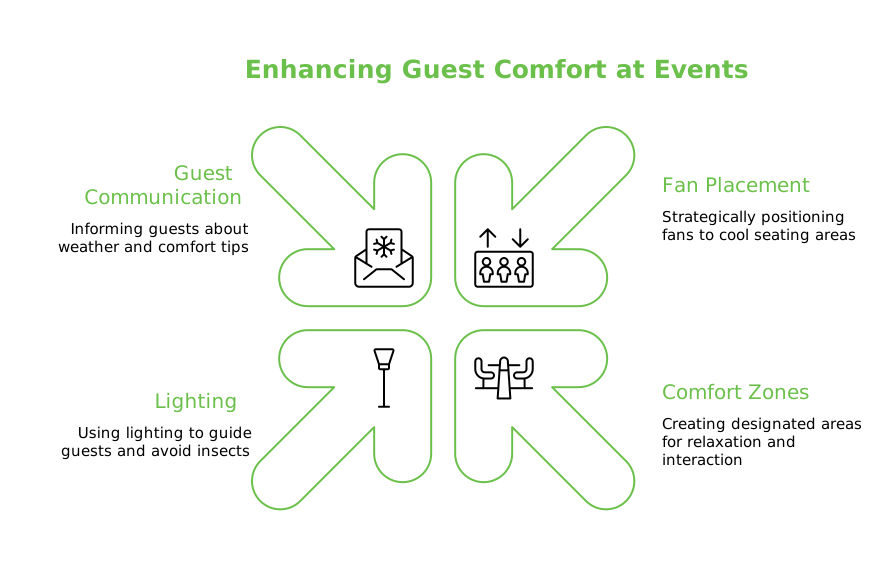
This is your event day checklist. No science project. Just smart setup.
Use fans like you mean it
Fans work best when they cover the places people sit still:
- Ceremony chairs
- Dinner seating
- Bar lines
- Photo booth line
Aim airflow across the group, not straight up into the sky.
Create clear comfort zones
Make it obvious where guests should gather by placing:
- Seating clusters in the best airflow
- Food and drink stations in open space
- Trash and recycling away from the hangout core
Then keep the buggy edges for pass-through traffic, not lingering.
Keep lighting useful, not splashy
Use lighting to guide paths and avoid trip hazards.
Then, when possible, keep the brightest fixtures from sitting right on top of the main hangout circle. This helps you avoid pulling insects toward the exact spot people want to relax.
Give guests a simple heads up
A short line in the invite or event email can save you a lot of swatting:
- Suggest comfortable clothing for a warm Austin evening
- Suggest bringing personal repellent if guests are sensitive to bites
UF IFAS includes repellents as part of bite prevention guidance, along with other practical steps for reducing exposure (UF IFAS Extension).
See what our happy customers are saying! Read real reviews and discover why homeowners trust us.
Mosquito Control in Austin
If you want help planning mosquito control around an outdoor event, BrockStar Pest Services can build a program around your venue and your guest zones.
Learn more about Mosquito Control in Austin and get a plan that fits your timeline.
FAQ
1) How far ahead should an Austin venue plan mosquito service for an outdoor wedding?
If you have the runway, planning 1 to 2 weeks out gives you more options to target problem zones and keep pressure down through the event window. Austin’s peak mosquito stretch is typically May through November, so early planning matters even more in those months (City of Austin Environmental Vector Control).
2) What areas should we focus on first to reduce guest complaints fast?
Start where people sit still and gather, like ceremony seating, bars, food lines, and the main seating clusters. Integrated Mosquito Management focuses on selecting methods and timing based on conditions and evaluating results, which lines up with treating the highest impact zones first (CDC: Integrated Mosquito Management).
3) Do fans really help with mosquitoes at outdoor events?
Yes, fans can help because mosquitoes are weak fliers. UF IFAS notes that using fans in outdoor seating areas can reduce mosquito bites and make guests more comfortable (UF IFAS Extension).
4) Can lighting choices make mosquitoes worse at night events?
Lighting can influence insect behavior, and reviews of artificial light at night suggest it can affect mosquitoes in ways that may change biting patterns depending on conditions. Keeping the brightest lighting from sitting directly over your main seating can be a smart move for guest comfort (PMC: Artificial light at night and disease vectors).
5) If our venue has water nearby, what matters most?
When water influence is part of the site story, reducing larvae in breeding habitat can help reduce adult mosquitoes nearby. The EPA explains that larval control targets mosquitoes before they become flying adults and can lower adult populations in surrounding areas (EPA: Controlling mosquitoes at the larval stage).