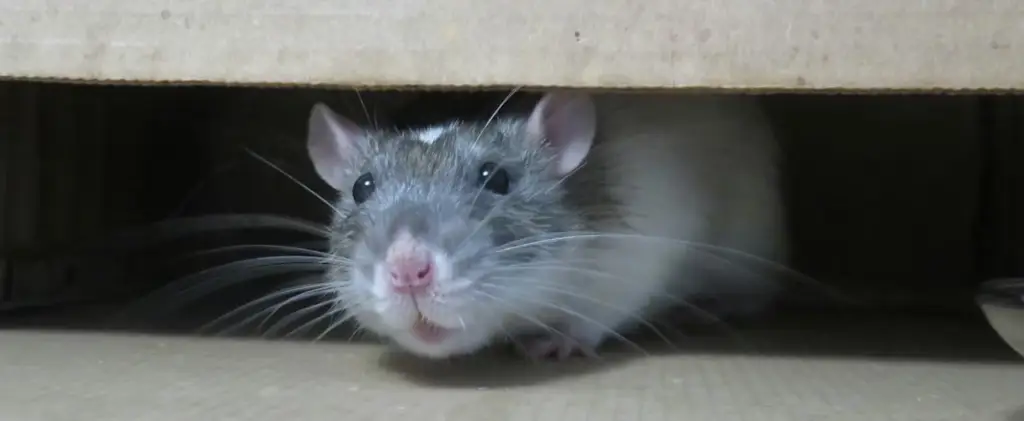
When rodents find a way into your home, they rarely come alone. That’s why sealing your house is one of the most effective long-term solutions for preventing future infestations. Instead of relying solely on trapping, rodent seal-up focuses on eliminating access points, removing attractants, and reinforcing vulnerable areas. This comprehensive approach—called exclusion in the pest control industry—can reduce rodent activity by up to 90% when combined with good sanitation practices.
Here’s how the sealing process works and why it matters for keeping your home rodent-free.
Ready to seal your home? We offer rodent seal-up across Austin, Dripping Springs, Bee Cave, Lakeway, Round Rock, Buda, and Kyle. Get started today.
Identifying Every Entry Point
The first step in any effective rodent seal-up is knowing exactly where they’re getting in. And here’s the thing: rodents need incredibly small openings. Mice can squeeze through gaps as small as ¼ inch—about the size of a dime—while rats fit through openings around ½ inch wide, roughly the size of a quarter. If you think a gap is too tiny for a rodent to enter, think again.
A thorough inspection includes checking all these common entry points:
Outside areas: Rooflines and fascia gaps, attic vents, garage door seals, utility line penetrations, crawl space openings, and gaps around siding and foundations.
Inside areas: Spaces around doors and windows, cracks in walls or baseboards, and openings around appliances or pipes.
The inspection process often involves looking for daylight peeking through gaps—if light gets in, a rodent can get through too. As one pest control expert notes, rodents are skilled climbers and can scale gutters, trees, and even vertical siding to reach higher entry points like your roof and attic.
The key principle here is simple: a home is only as secure as its weakest point. Missing even one gap can mean reinfestation cycles that waste time and money.
Using Rodent-Proof Materials
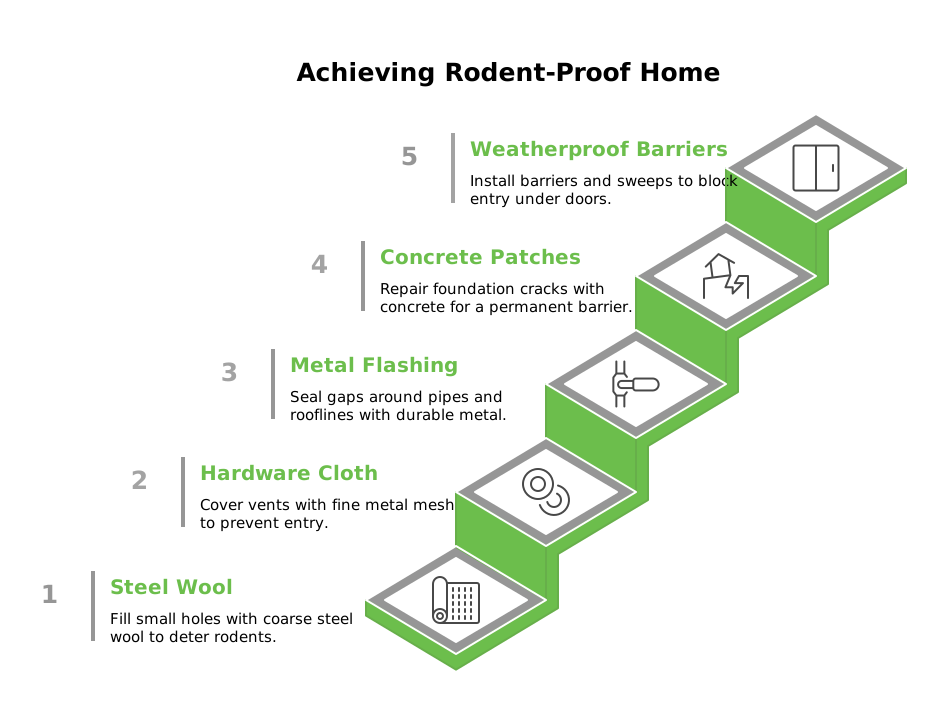
Here’s where a lot of DIY attempts fail: using the wrong materials. Foam sealant, caulk alone, tape, plastic, and wood can all be chewed through by determined rodents. That’s why professional seal-up work relies on materials that stand up to gnawing.
The most effective materials include:
Steel wool: Coarse steel wool is excellent for filling small holes and gaps—rodents can’t chew through it due to its roughness and its ability to damage their teeth. It’s typically combined with caulk to hold it in place.
Hardware cloth (wire mesh): A fine metal mesh with small openings is ideal for covering larger vents and openings. The gauge matters—¼-inch hardware cloth is recommended for rodent-proof attic vent covers.
Metal flashing: This durable material seals gaps around pipes, rooflines, and foundation edges.
Concrete patches: For larger cracks in foundations, concrete creates a permanent barrier.
Weatherproof barriers and door sweeps: These prevent rodents from entering under doors or through weathered areas.
The reason these materials work is straightforward: rodents can’t gnaw through them without damaging their constantly-growing teeth. Unlike foam or caulk, which are relatively easy targets, metal and steel wool act as a true barrier.
Securing the Attic, Garage, and Roofline
If there’s a rodent “hotspot” in homes, it’s these three areas. Attics provide warmth, insulation for nesting, and often quiet, undisturbed spaces. Garages offer food storage opportunities. Rooflines are the main highway for rodents, especially roof rats, to access the home.
Proper seal-up in these areas includes:
Attic: Rodents use attic insulation as nesting material and are attracted to the dark, quiet, warm conditions. Sealing requires covering attic vents with ¼-inch hardware cloth secured with screws, sealing gaps around pipes and wires with steel wool and caulk, and inspecting eaves and soffits for loose boards or gaps.
Roofline: Gaps under shingles, around chimney structures, and at roof returns need reinforcement. Installing chimney caps and vent covers is critical because chimneys and dryer vents can act like highways straight into your home.
Garage: A gap under your garage or basement door is like an open invitation to rodents. Installing or replacing weatherstripping and adding a sturdy door sweep blocks these entry points. For garages in particular, ensure the door is flush with the ground and consider using a rodent-proof door sweep.
The principle is consistent across all three areas: if a rodent can get its head through, the rest usually follows—and they’ll chew soft materials to widen small gaps.
Removing Attractants Around the Property
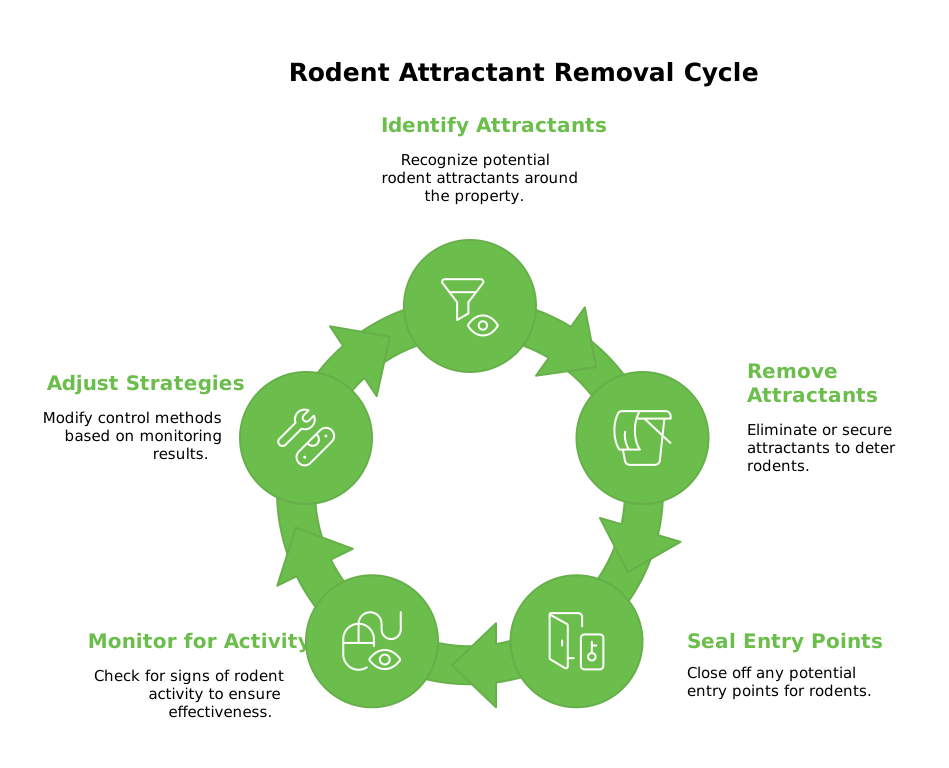
Sealing entry points is only half the battle. If rodents still find your property attractive, they’ll keep trying to get in. That’s why removing attractants is a critical part of professional seal-up work.
Rodent attractants include:
Unsecured trash: Rodents are opportunistic feeders and will access garbage bins without tight-fitting lids. Use metal trash cans with secure lids to eliminate this food source.
Pet food: Food stored in bowls or left out attracts rodents quickly. Store it in sealed, rodent-proof containers.
Vegetation touching the home: Tree branches hanging close to the roof act like ladders for rodents to climb. Trim branches back at least 3-4 feet from your roof and keep bushes trimmed away from the home’s exterior.
Standing water and leaky pipes: Rodents need water as much as food. Fix dripping faucets and address standing water.
Compost piles, fallen fruit, and birdseed: These are easily-accessible food sources that draw rodents to your property.
Here’s the bottom line: if rodents don’t find easy access or resources, they move on to a less-protected property. Combining exclusion with attractant removal creates an environment where your home simply isn’t worth the effort.
Ongoing Monitoring After the Seal-Up
Once everything is sealed and attractants are removed, the work isn’t finished. This is where many homeowners make a mistake—they assume seal-up is a “set it and forget it” solution. It’s not.
Monitoring and ongoing assessment are critical components of an effective rodent control strategy. Over time, weather damage, foundation settling, material wear, and new gaps can form. Regular check-ins ensure your defenses stay intact.
What ongoing monitoring should include:
Visual inspections: Look for new gaps forming, materials loosening due to weather, or signs of fresh rodent activity like droppings, gnaw marks, or rub marks (oily brown stains on walls where rodents travel).
Seasonal awareness: Rodents become more active and aggressive in fall and winter as they search for warmth and shelter. These seasons warrant extra vigilance.
Record-keeping: Document signs of activity or any repairs made. This helps track whether your seal-up is holding or if new vulnerabilities are developing.
According to Bayer IPM guidelines for rodent inspection, follow-up visits should occur at specific intervals: 1 day, 3 days, 7 days, and 3 weeks post-treatment—then periodically thereafter.
Why This Approach Works Better Than Trapping Alone
Many homeowners rely on traps as their primary rodent control tool. Traps work for immediate problems, but here’s their limitation: they only address rodents that are already inside. Once you’ve trapped them, new rodents can enter through the same gaps.
Sealing prevents that re-entry cycle. When a combination of exclusion (sealing), sanitation, and ongoing monitoring are used together—what pest management professionals call Integrated Pest Management (IPM)—the results are significantly better than trapping alone. Think of it this way: trapping is reactive. Sealing is preventative.
The cost-benefit over time is clear. A one-time investment in comprehensive seal-up work prevents months or years of repeated infestations, property damage, and health risks.
Need Your Home Properly Sealed?
If you’re ready to protect your home from future infestations, BrockStar Pest Services offers professional rodent seal-up Austin services. As a trusted Pest Control Austin provider, we’ll conduct a thorough inspection of your home’s exterior and interior, identify every vulnerable entry point, and seal them using long-lasting, rodent-proof materials.
See what our happy customers have to say! Read real testimonials and find out why homeowners trust us for pest control.
FAQs: Rodent Sealing and Prevention
1. How small of a hole can a mouse or rat actually fit through?
Mice can squeeze through gaps as small as ¼ inch—roughly the size of a dime. Rats need slightly larger openings, typically around ½ inch wide, about the size of a quarter. The key difference is that rats lack collar bones, which allows them to compress their bodies and squeeze through spaces that seem impossibly small. As a practical rule: if you can fit a pencil into a gap, a mouse can probably fit too.
2. Can I seal my home myself, or should I hire a professional?
DIY sealing is possible for small gaps and repairs, but professional seal-up has several advantages. Professionals conduct systematic inspections to identify every entry point—often finding vulnerabilities homeowners miss. They also use commercial-grade, rodent-proof materials and have expertise in areas that are difficult to access safely, like rooflines and attics. When conducted by experienced professionals, rodent proofing can achieve success rates exceeding 90%. If you have an active infestation or a large property, professional service is recommended.
3. What materials should I avoid when sealing entry points?
Avoid foam sealant alone, caulk without reinforcement, plastic, tape, and wood. While these materials may temporarily seal a gap, rodents can easily chew through them. Instead, use steel wool combined with caulk, hardware cloth (wire mesh), metal flashing, or concrete patches. These materials resist gnawing and provide lasting protection.
4. How often should I inspect my sealed home for new entry points?
After an initial seal-up, follow-up inspections should occur at 1 day, 3 days, 7 days, and 3 weeks post-treatment to confirm effectiveness. After that, conduct visual inspections at least quarterly or after severe weather events. Seasonal increases in rodent activity in fall and winter warrant additional monitoring. Look for fresh droppings, gnaw marks, or disturbed materials as signs of new activity.
5. Why is removing attractants just as important as sealing gaps?
Sealing gaps prevents entry, but if rodents find appealing food, water, or nesting materials nearby, they’ll persist in trying to enter. An integrated approach combining exclusion (sealing), sanitation (removing attractants), and monitoring is far more effective than exclusion alone. Removing trash, securing pet food, trimming vegetation, and fixing leaks eliminates the incentives that draw rodents to your property in the first place—making your home less appealing than neighbors’ homes that haven’t been sealed or sanitized.