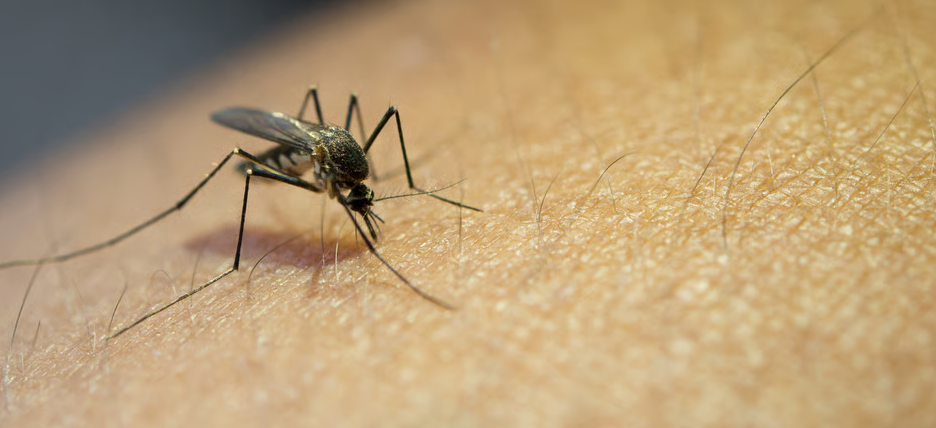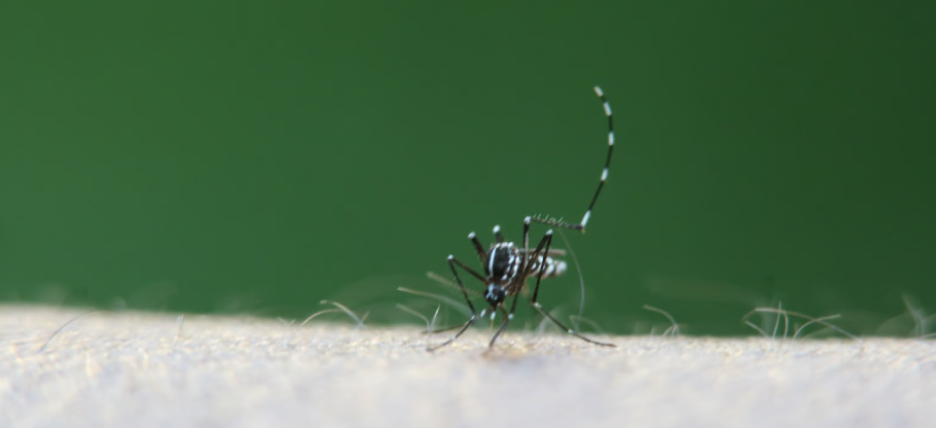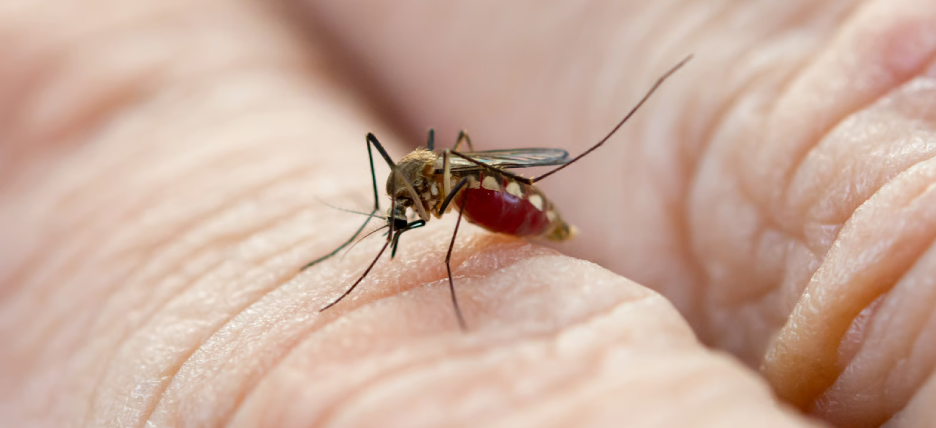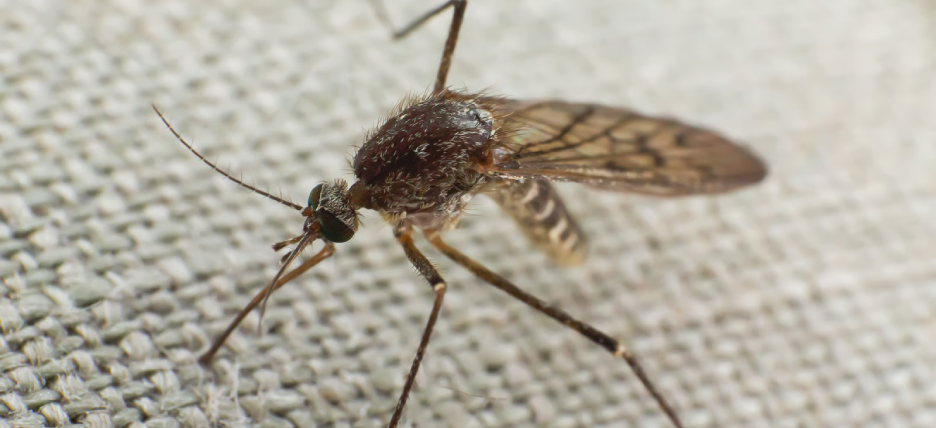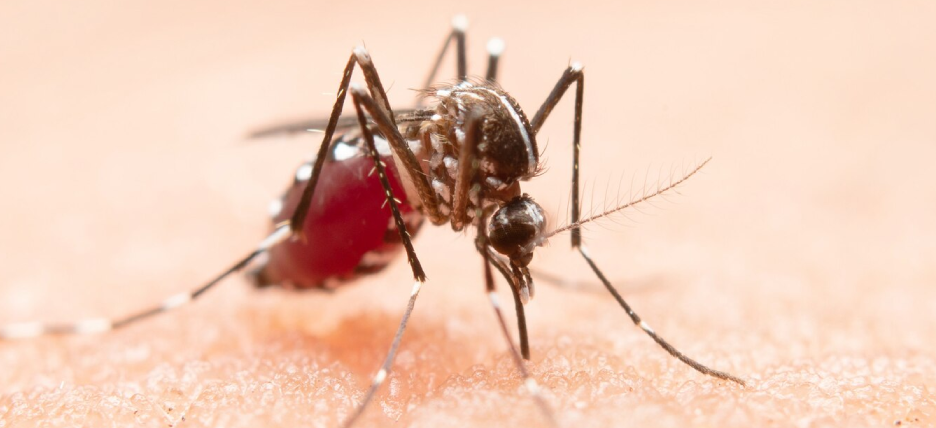
Mosquitoes are part of life in Texas—but constant bites around your home don’t have to be. With the right prevention steps and a few natural control methods, most homeowners can significantly reduce mosquito activity in their yard. Understanding how mosquitoes breed and what attracts them is the first step toward reclaiming your outdoor space.
In this guide, you’ll learn simple, non-chemical ways to control mosquitoes at home, when DIY steps are enough, and when it makes sense to call in professional help from BrockStar.
We provide expert mosquito control across Austin, Dripping Springs, Bee Cave, Lakeway, Round Rock, Buda, and Kyle. Protect your home today!
Why Mosquito Control Matters in Texas
Texas’ warm climate and seasonal rain create ideal conditions for mosquitoes to thrive. According to the Texas Department of State Health Services, mosquitoes in Texas are known to spread diseases such as West Nile virus and can breed quickly in small amounts of standing water (Texas DSHS). Regular prevention around the home helps reduce both nuisance biting and potential health risks.
Beyond health concerns, uncontrolled mosquitoes can make patios, yards, and outdoor gatherings nearly unusable during warmer months.
How Mosquitoes Breed (And Where to Look)
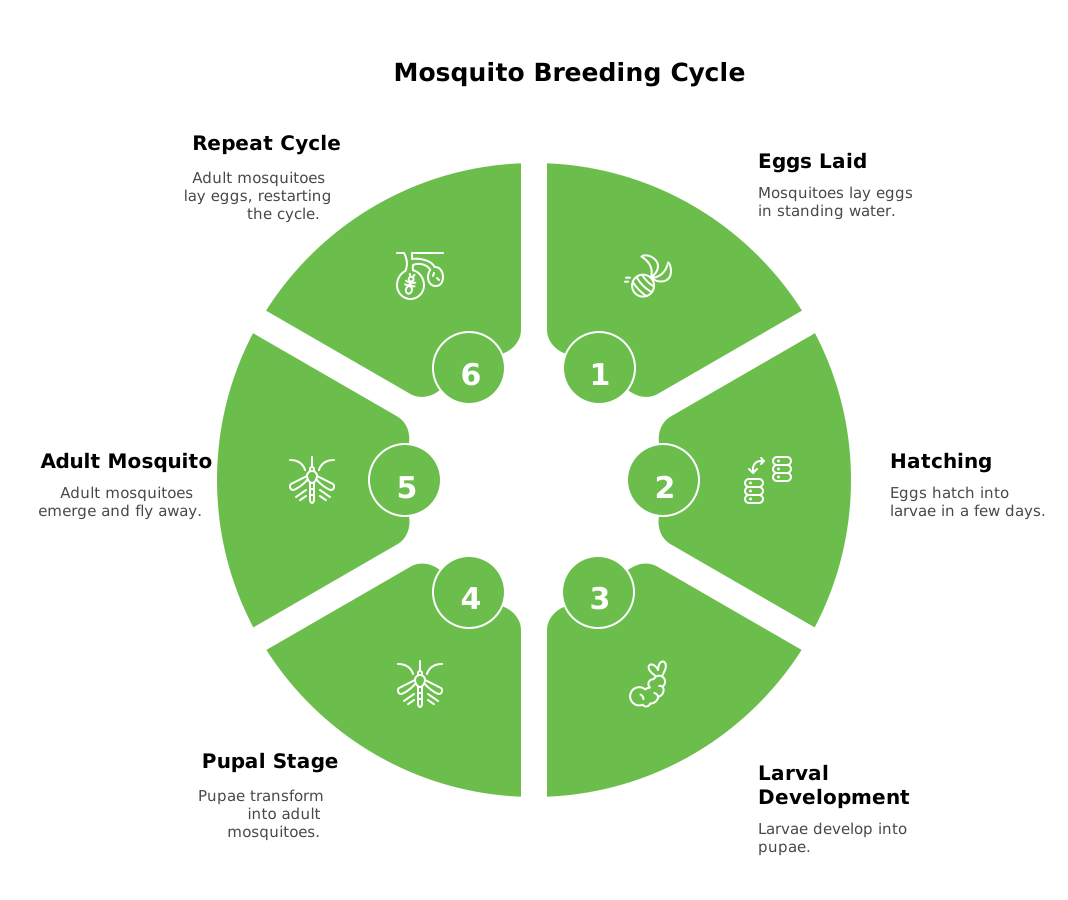
Mosquitoes lay their eggs in standing water, and those eggs can hatch in just a few days. The Centers for Disease Control and Prevention notes that some mosquito species can breed in as little as a bottle cap of water, which is why routine inspections are so important (CDC).
Common Backyard Breeding Spots
Check these areas weekly:
- Plant saucers and flower pots
- Buckets, watering cans, and toys
- Clogged gutters and downspouts
- Birdbaths and pet bowls
- Low spots in the yard after rain
- Unused tires or tarps
If water sits longer than a few days, it becomes a potential breeding site.
Weekly DIY Mosquito Prevention Checklist
Consistent, simple maintenance is one of the most effective ways to control mosquitoes at home.
Texas A&M AgriLife Extension recommends focusing on habitat reduction as the foundation of mosquito control.
Do This Once a Week
- Dump and scrub containers to remove mosquito eggs that may cling to surfaces.
- Fix drainage issues by clearing gutters and filling low areas where water collects.
- Maintain your lawn by mowing regularly and removing leaf piles or yard debris.
- Refresh birdbaths and pet bowls every few days.
- Secure trash cans with tight-fitting lids.
- Check outdoor drains and clear blockages.
These small steps, done consistently, can dramatically reduce mosquito populations around your home.
Natural and Non-Chemical Mosquito Control Options
For homeowners who prefer to limit chemical use, several low-impact options can help when water can’t be removed.
Biological Larval Control
The U.S. Environmental Protection Agency explains that BTI-based larvicides target mosquito larvae specifically and can be safely used in standing water that cannot be drained, such as rain barrels or decorative ponds (EPA). These products prevent larvae from developing into biting adults without harming people, pets, or wildlife when used as directed.
Physical and Environmental Controls
- Install or repair window and door screens.
- Use outdoor fans on patios to disrupt mosquito flight.
- Trim shrubs and vegetation where adult mosquitoes rest.
Repellents and Personal Protection
When mosquitoes are active, the CDC recommends EPA-registered repellents with proven active ingredients for personal protection, especially during peak activity times at dawn and dusk (CDC). Repellents don’t reduce mosquito populations but can help prevent bites during outdoor activities.
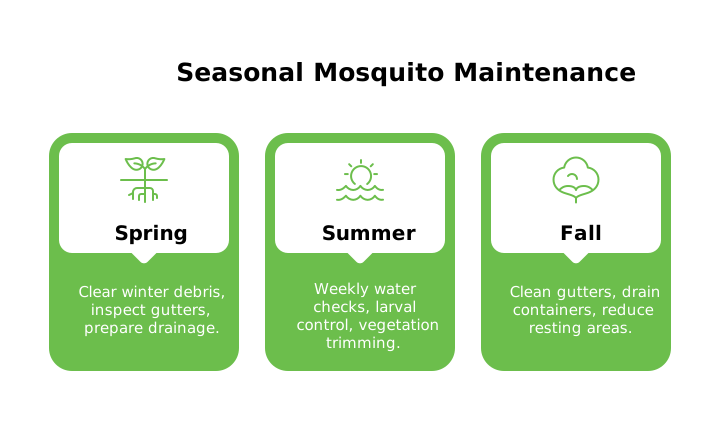
Seasonal Mosquito Maintenance Calendar
The University of Florida IFAS Extension emphasizes adjusting mosquito prevention based on the season to stay ahead of population spikes (UF/IFAS Extension).
See what our happy customers are saying! Read real reviews and discover why homeowners trust us.
When DIY Isn’t Enough: Calling a Professional
Sometimes, even diligent homeowners struggle with persistent mosquitoes—especially in areas with nearby drainage ditches, greenbelts, or heavy rainfall.
Professional mosquito control services focus on:
- Property inspections to identify hidden breeding areas
- Targeted larval treatments in problem zones
- Ongoing monitoring during peak mosquito season
If mosquitoes continue to disrupt your yard despite regular prevention, it may be time to Contact BrockStar for Mosquito Control. A professional assessment can help identify issues that are easy to miss and provide longer-lasting relief.
Frequently Asked Questions
1. Can mosquitoes really breed in very small amounts of water?
Yes. The Centers for Disease Control and Prevention confirms that mosquitoes can breed in extremely small water sources, including bottle caps and plant saucers, which is why frequent inspections are critical (CDC).
2. Do birdbaths attract mosquitoes?
They can if the water is left unchanged. Texas A&M AgriLife Extension recommends emptying and scrubbing birdbaths at least once a week to prevent mosquito eggs from hatching.
3. Are natural larvicides safe for pets and children?
When used according to label directions, BTI-based larvicides are considered safe and target only mosquito larvae, according to guidance from the U.S. Environmental Protection Agency (EPA).
4. Do citronella plants keep mosquitoes away?
Plants alone provide limited control. Research summarized by UF/IFAS Extension indicates that environmental management and water reduction are far more effective than relying on plants alone.
5. When should I consider professional mosquito control?
If mosquitoes remain a problem despite regular prevention, or if your property has unavoidable standing water nearby, guidance from the Texas Department of State Health Services suggests professional mosquito management may be appropriate.