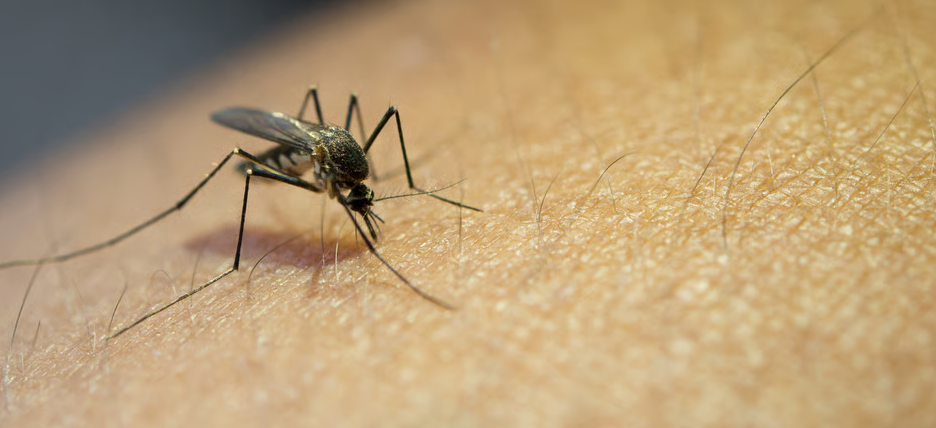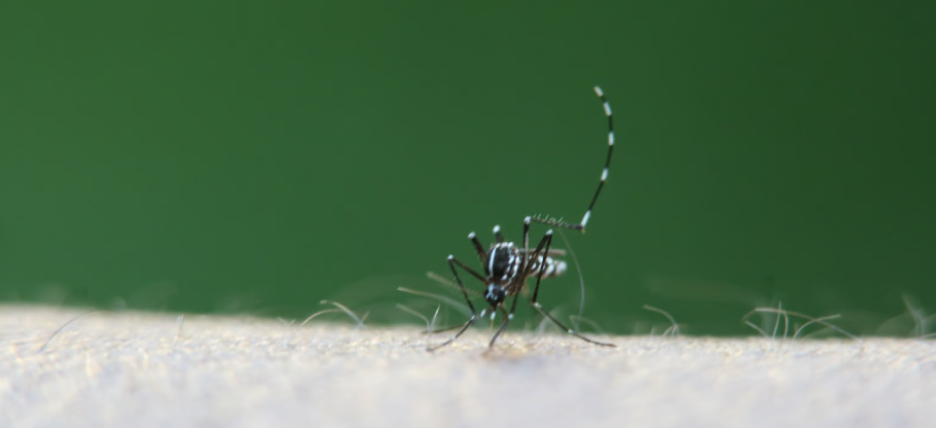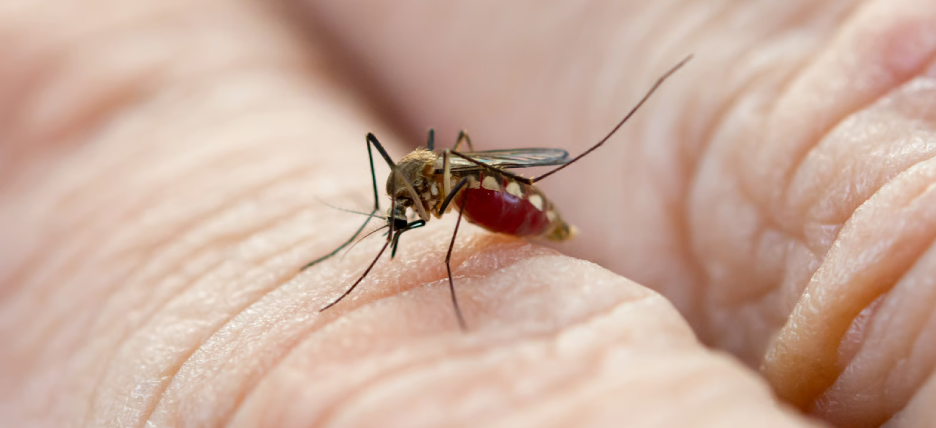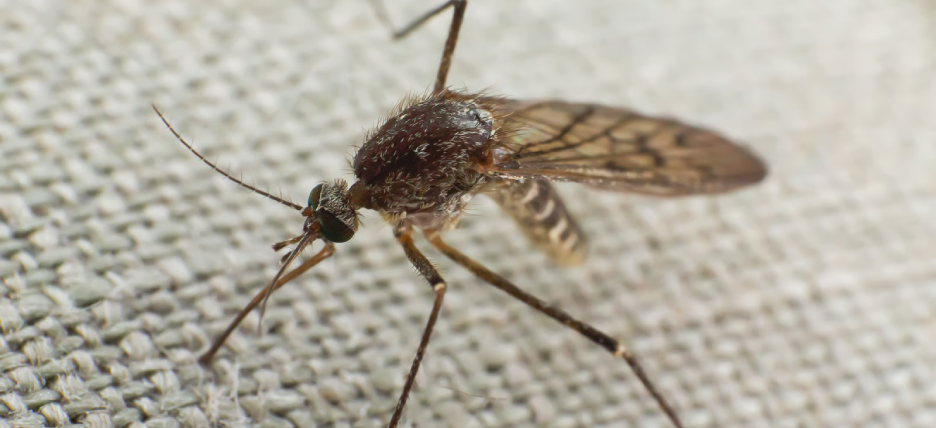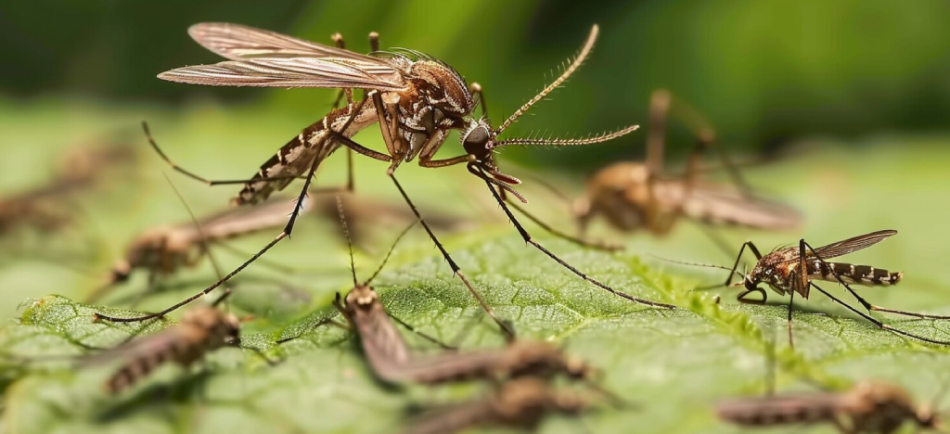
If your backyard turns into a mosquito buffet every time you step outside, you are not alone. In Austin and Central Texas, warm nights and surprise rain can turn a normal yard into a bite zone fast.
This guide keeps it natural-first, parent-friendly, and simple. You will learn what to change in your yard, what actually helps on the patio, and when it makes sense to call BrockStar.
We provide expert mosquito control across Austin, Dripping Springs, Bee Cave, Lakeway, Round Rock, Buda, and Kyle. Protect your home or business today!
Why mosquitoes keep showing up in Texas backyards
Here is the big truth: most mosquito problems start close to home.
Texas A&M AgriLife explains that mosquitoes breed in standing water, especially when it sits for at least 7 days, and the young (larvae) grow in that water before becoming biting adults (Texas A&M AgriLife Extension).
That means you do not need a swamp to have a mosquito problem. A little forgotten water can do the job.
The 10-minute backyard routine that cuts mosquito breeding (no harsh chemicals)
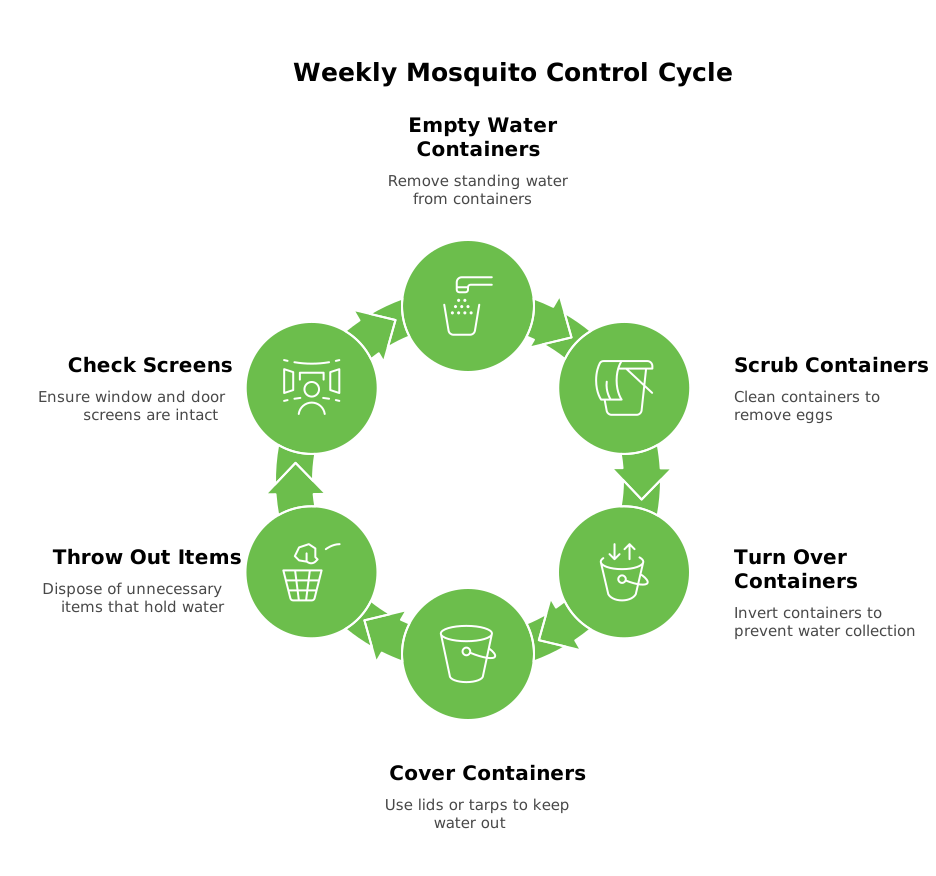
The CDC recommends a simple weekly routine to stop mosquitoes from laying eggs around your home: once a week, empty and scrub, turn over, cover, or throw out items that hold water, and keep window and door screens in good shape (CDC).
A quick weekly checklist (walk your yard like a parent with a timer)
Start where water hides.
- Kid toys and toy bins
- Buckets, tubs, and wheelbarrows
- Plant saucers and drip trays
- Birdbaths and pet water bowls
- Tarps and covers that sag
- Clogged gutters and downspouts
- Low spots where water sits after rain
Tip from the BrockStar crew: put the walk-through on the same day you take out the trash. Easy to remember.
The scrub part matters
Dumping water helps. Scrubbing helps more. It knocks off eggs that can cling to the sides of containers.
If you only do one thing this week, do this routine.
Make your patio harder to bite without spraying the whole yard
You can do all the yard cleanup and still get bit on the patio. That is because mosquitoes also hunt people.
Use moving air near people
Research in Frontiers in Environmental Science notes that wind can reduce mosquito host-seeking activity by influencing flight and search behavior, which is why adding steady airflow (like a fan aimed across your seating area) can make it harder for mosquitoes to settle in on your patio (Frontiers).
Simple setup: point the airflow across ankles and legs. That is where bites love to show up.
Block easy entry into your home
If you are getting bit indoors, treat it like a small home repair project.
- Patch screen holes.
- Make sure doors close tight.
- Keep porch lights from becoming a hangout spot near open doors.
The truth about “natural mosquito fixes” (what helps, what is hype)
We get it. Parents want natural options. So do we.
The University of Maryland Extension points out that many popular “mosquito repellent” ideas are misunderstood, and that combining tactics with source reduction (removing breeding spots) is the smarter path (University of Maryland Extension).
About mosquito-repelling plants
Plants can smell nice. They can look great. But they are not a full plan on their own.
If you want plants for vibes, do it. Just pair them with the weekly water routine.
What if you cannot dump the standing water?
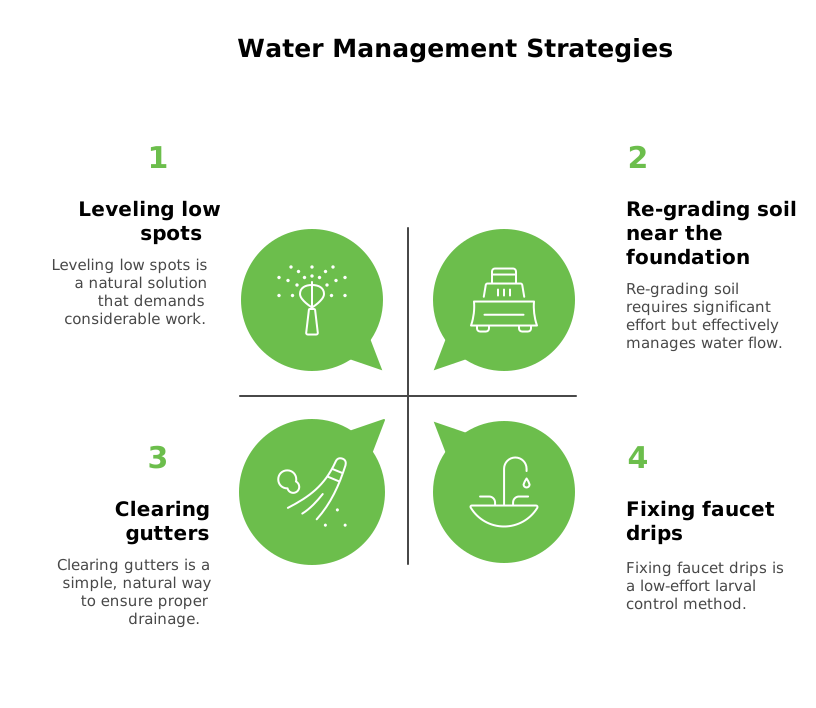
Some yards have places where water is tough to remove. Think drainage dips, shaded corners, or features that hold water.
Start with fixes that keep the “natural-first” vibe:
- Level low spots where water sits.
- Clear gutters so water flows.
- Fix outdoor faucet drips.
- Re-grade soil near the foundation so water runs away.
If water truly cannot be removed, Texas A&M AgriLife discusses larval control options designed for standing water (targeting mosquitoes before they become adults), which can be part of a practical plan when used correctly.
Austin and Central Texas note: mosquitoes are not just annoying
Austin’s official mosquito page tracks local activity and shares West Nile virus reporting for Austin-Travis County (City of Austin).
If you have kids playing outside a lot, that is one more reason to treat mosquito control like a normal part of yard care.
See what our happy customers are saying! Read real reviews and discover why homeowners trust us.
When DIY steps are not enough (and how BrockStar helps)
Sometimes, you do the cleanup, you run the fan, you still get lit up.
Signs it is time to bring in a pro
- You are doing the weekly water routine and still seeing mosquitoes every evening.
- You cannot find the breeding spot, but the bites keep coming.
- Your yard has shaded areas that stay damp.
- You suspect a nearby breeding source is spilling into your yard.
What BrockStar does in a mosquito visit
We do not show up, shrug, and call it a day.
- We walk the yard with you and hunt for breeding spots.
- We point out what to drain, fix, or adjust so your yard stays less inviting.
- We build a plan that fits your family, your pets, and your outdoor habits.
Ready for fewer bites in your backyard?
Contact BrockStar Pest Services and ask for a mosquito check.
FAQ (5 quick questions)
1) How often should I do the backyard mosquito routine?
The simplest schedule is once a week, because the CDC specifically calls out a weekly routine to empty, scrub, cover, or toss water-holding containers to stop egg-laying. If you get heavy rain, do a quick extra walk-through the next day.
2) Why are mosquitoes worse after it rains?
Standing water is a breeding spot, and Texas A&M AgriLife notes mosquitoes breed in standing water, especially when it sits long enough for larvae to develop. After rain, more small “mini ponds” show up in yards.
3) Will a fan on the patio really help?
Air movement can get in the way of mosquito host-seeking and flight behavior, which is why steady airflow aimed at your seating area can help make landings harder. It works best when combined with the weekly water routine.
4) Do mosquito-repelling plants work?
Plants alone usually do not solve patio bites, and University of Maryland Extension explains that many “repellent” ideas are misunderstood and should be paired with source reduction for better results. Think of plants as a bonus, not the plan.
5) Should I worry about West Nile virus in Austin?
Austin’s mosquito updates include West Nile tracking for the area, which is one reason local prevention habits matter. If you want a family-friendly plan built for your specific yard, BrockStar can help you map out next steps.