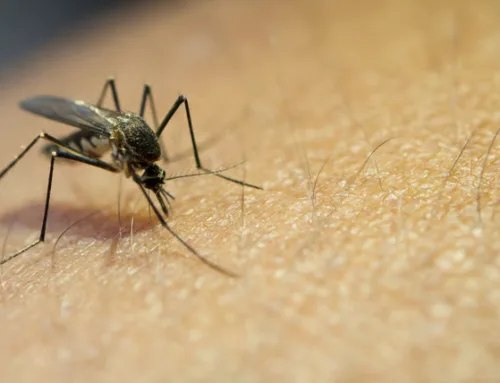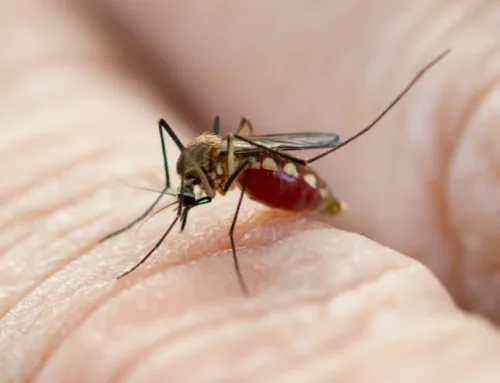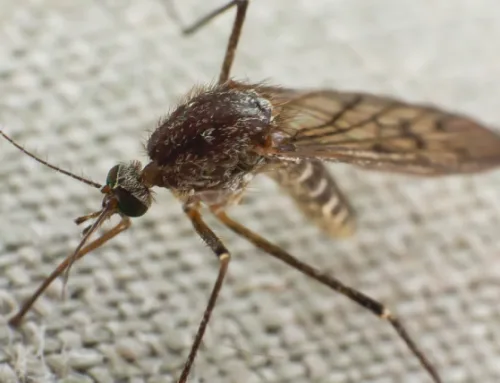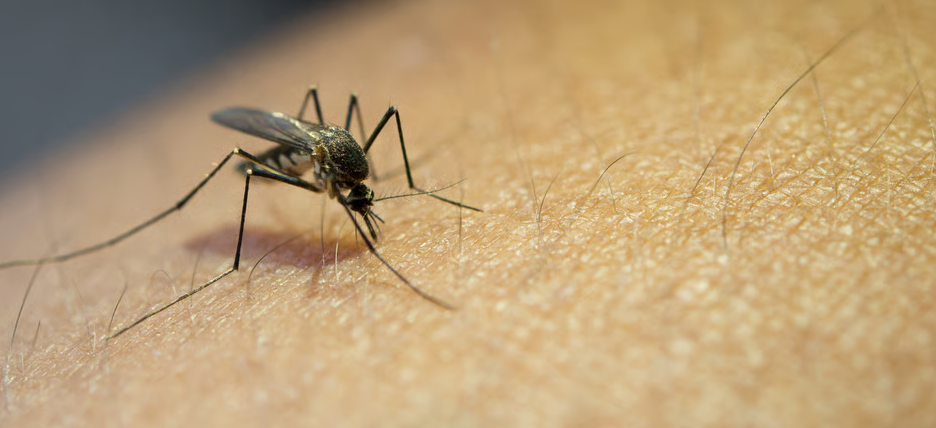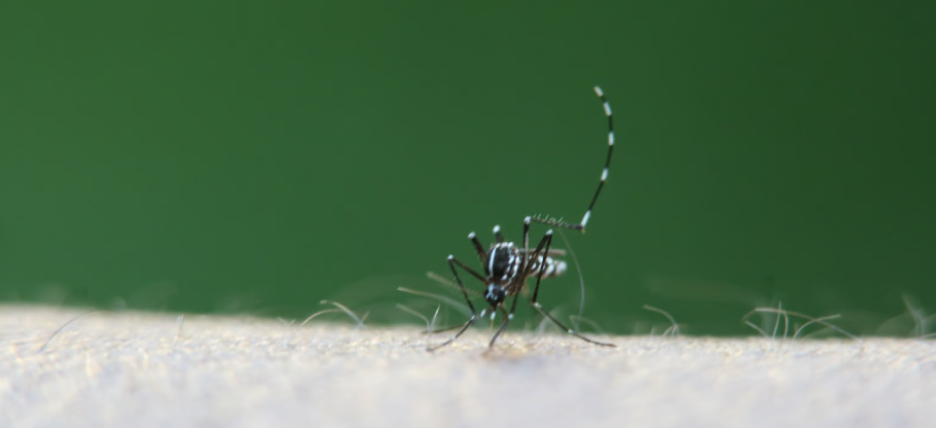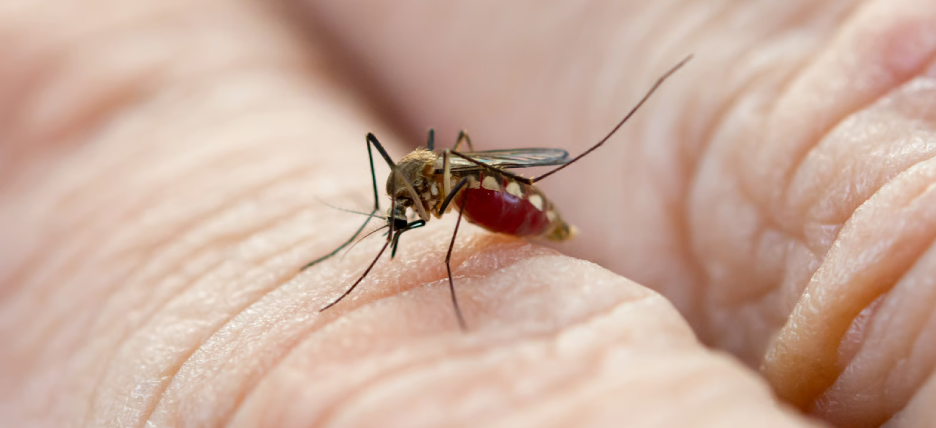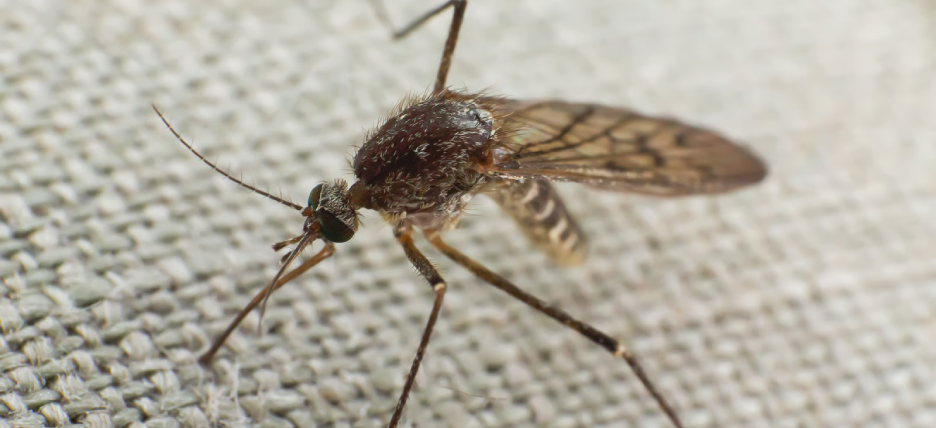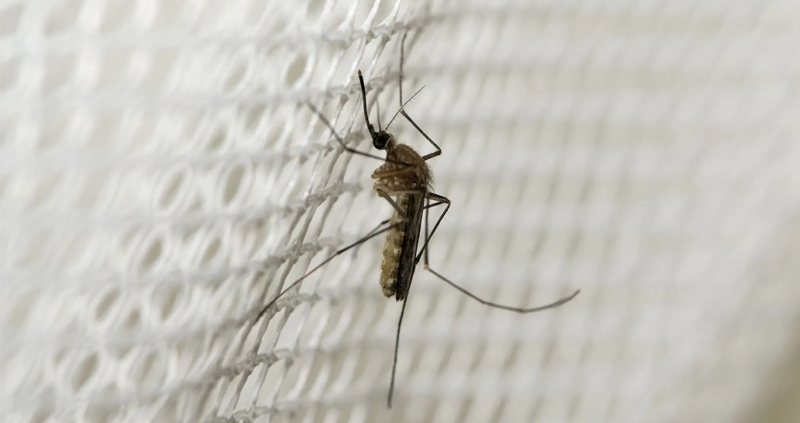
Mosquitoes: the tiny insects that are often regarded as nothing more than an annoying nuisance. For many, the itchy bumps they leave behind are an unfortunate but common part of outdoor activities. But did you know that mosquito bites can carry far more serious risks than just irritation? Mosquitoes are responsible for spreading some of the world’s deadliest diseases. Understanding these risks can help you protect yourself and your family from the dangers that go beyond the bite itself.
Keep mosquitoes away for good. We offer effective mosquito control solutions across Dripping Springs, Austin, Buda, Kyle, Round Rock and Lakeway.
Why Mosquito Bites are More Than Just an Annoyance
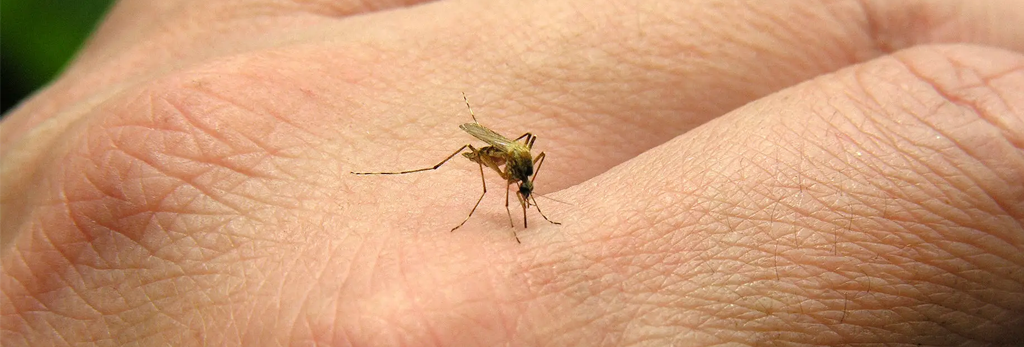
When a mosquito bites, it uses its specialized mouthparts to pierce the skin and feed on blood. While feeding, mosquitoes can transmit pathogens from one host to another. This blood-feeding behavior is primarily for reproduction, as female mosquitoes need protein from blood to produce eggs. While the bite itself is often harmless and leads to mild itching, the hidden danger lies in the pathogens mosquitoes can carry.
The Common Diseases Spread by Mosquitoes
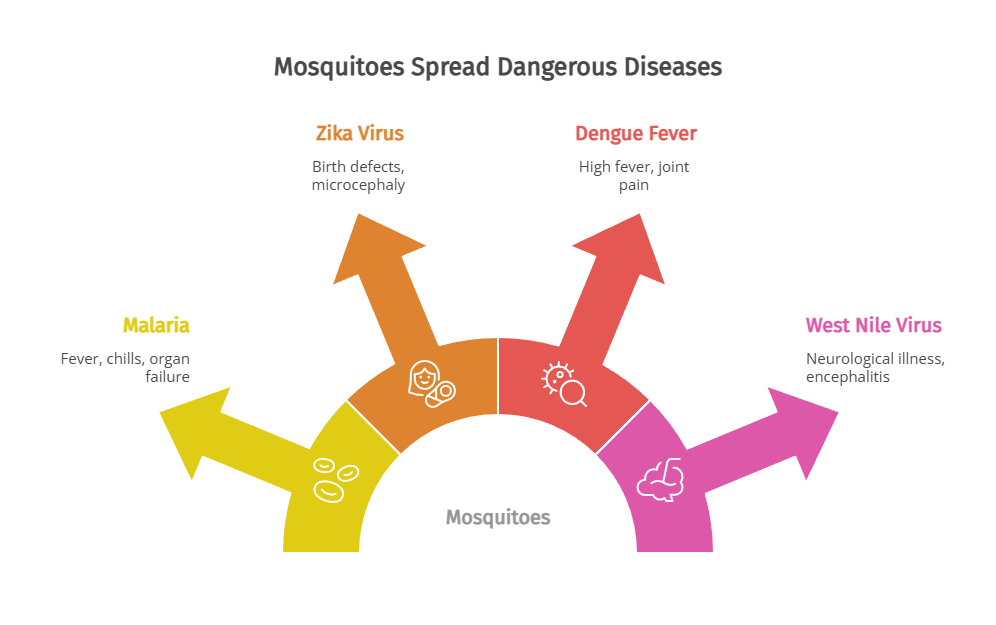
Mosquitoes are responsible for transmitting several dangerous diseases. These diseases can range from mild to life-threatening, and the risks vary depending on geographic location.
Malaria
Malaria is one of the most well-known mosquito-borne diseases, caused by the Plasmodium parasite. The disease is spread through the bite of infected Anopheles mosquitoes. Symptoms of malaria include fever, chills, and flu-like illness. In severe cases, it can lead to organ failure and death. According to the World Health Organization (WHO), malaria is most common in sub-Saharan Africa, but it is also prevalent in parts of Asia and Latin America. The global impact of malaria is staggering, with millions of cases and over 200,000 deaths each year (WHO, 2023).
Zika Virus
The Zika virus is primarily transmitted by Aedes mosquitoes, particularly Aedes aegypti. Though it often causes mild symptoms, such as fever and rash, Zika can be dangerous for pregnant women. It has been linked to severe birth defects like microcephaly, where babies are born with abnormally small heads and developmental issues. Zika outbreaks have been reported in various tropical regions, including South America, Southeast Asia, and the Pacific Islands. The risk of Zika remains high in areas where these mosquitoes are prevalent.
Dengue Fever
Dengue fever, caused by the dengue virus, is spread by Aedes mosquitoes, like Zika. Symptoms include sudden high fever, severe headache, pain behind the eyes, and joint pain. In extreme cases, the disease can progress to severe dengue (also known as dengue hemorrhagic fever), which can be fatal. According to the CDC, approximately 390 million dengue infections occur annually worldwide, with about 96 million presenting clinically evident illness.
West Nile Virus
West Nile virus (WNV) is a disease transmitted by Culex mosquitoes. Most people infected with WNV show no symptoms, but in some cases, it can lead to severe neurological illness, such as encephalitis or meningitis. WNV is common in North America, Europe, Africa, and parts of Asia. In the U.S., the Centers for Disease.
Less Common but Serious Risks of Mosquito Bites
While the diseases listed above are the most commonly known, mosquitoes can also transmit other, less frequent but still serious diseases.
Chikungunya
Chikungunya is a viral disease transmitted by Aedes mosquitoes. Symptoms include sudden fever, severe joint pain, and swelling. While not fatal, the joint pain can last for weeks or even months, making it a debilitating illness. Chikungunya outbreaks have occurred in Asia, Africa, and the Americas, and the disease is of particular concern in tropical and subtropical regions.
Japanese Encephalitis
Japanese encephalitis is a viral infection that affects the brain, leading to symptoms such as fever, headache, and in severe cases, neurological damage or death. The virus is spread by Culex mosquitoes and is most common in rural areas of Asia. Vaccination is recommended for travelers to high-risk areas.
How Mosquitoes Impact Public Health and Global Economies
Mosquito-borne diseases pose a significant burden on public health systems. Malaria alone costs global economies billions of dollars each year in treatment, prevention, and lost productivity. The healthcare costs of diseases like Zika and dengue are also substantial, as these diseases require intensive treatment and long-term care for some patients. In regions where these diseases are prevalent, local economies suffer from reduced workforce productivity, hospitalizations, and increased healthcare expenses.
Preventing Mosquito Bites: Steps You Can Take
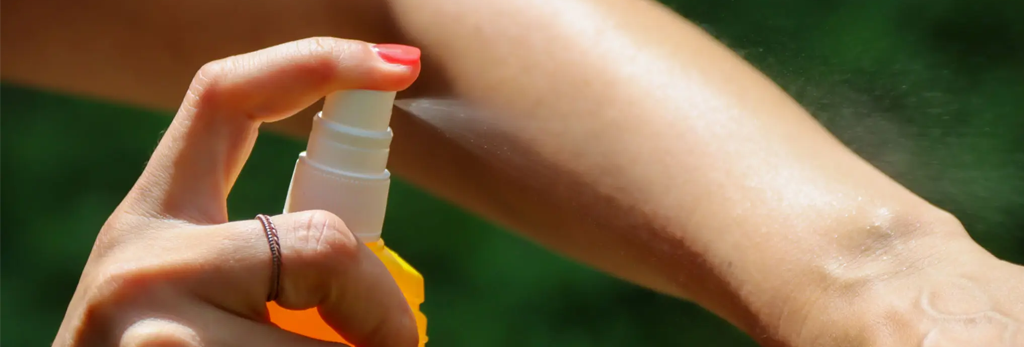
There are many ways to reduce the risk of mosquito bites, especially during peak seasons or when traveling to areas with high mosquito activity.
Using Mosquito Repellents
Using mosquito repellents containing DEET is one of the most effective ways to prevent mosquito bites. For those who prefer natural options, citronella, lemon eucalyptus oil, and other plant-based repellents can also offer some protection, though they may need to be applied more frequently.
Wearing Protective Clothing
Mosquitoes are attracted to dark colors and exposed skin, so wearing long sleeves, pants, and light-colored clothing can significantly reduce the chance of being bitten. Special mosquito-repellent clothing is available, which contains permethrin, an insect-repellent chemical.
Creating Mosquito-Free Zones
Mosquitoes breed in standing water, so eliminating areas of stagnant water around your home, such as in plant pots, bird baths, and clogged gutters, can help reduce mosquito populations. Installing screens on windows and doors and using mosquito nets while sleeping can also protect you.
The Role of Professional Mosquito Control
While DIY prevention methods are important, professional mosquito control services offer a more comprehensive solution. Experts can target mosquito breeding sites, apply targeted treatments, and provide long-lasting solutions to reduce mosquito populations in your area. If you’re in the Austin area and want to safeguard your home from mosquitoes, BrockStar Pest Services offers effective mosquito control options tailored to your needs.
Want to know what sets us apart? Read our testimonials and see real feedback from satisfied customers.
Conclusion: Stay Safe, Stay Informed
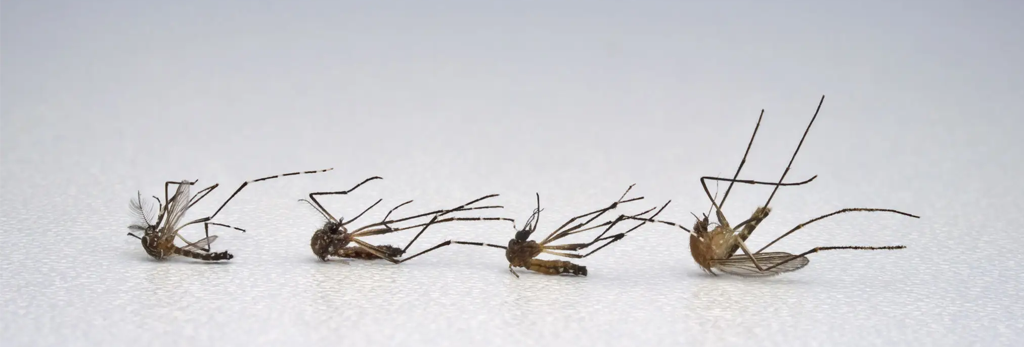
Mosquito bites are a common experience for many, but the diseases they can transmit are serious and sometimes life-threatening. By staying informed about the risks and taking proactive steps to protect yourself, you can enjoy the outdoors without fear. Whether you’re using repellents, wearing protective clothing, or seeking professional pest control, there are effective ways to reduce the risks associated with mosquitoes.
FAQ Section
- Can mosquitoes spread malaria outside of tropical areas?
- Malaria is primarily found in tropical and subtropical regions, but as climate change shifts global weather patterns, there are occasional cases reported in non-endemic areas. It’s essential to take preventive measures when traveling.
- How can I tell if I’ve contracted a mosquito-borne disease?
- Common symptoms of mosquito-borne diseases include fever, rash, joint pain, and headaches. If you experience any of these symptoms after being bitten, especially when traveling to areas with known outbreaks, seek medical attention promptly.
- What are the best mosquito repellents?
- DEET-based repellents are highly effective, but if you prefer natural options, look for products containing citronella, lemon eucalyptus, or tea tree oil. Always follow the instructions for application and reapplication.
- What should I do if I find a mosquito breeding site in my yard?
- Eliminate any standing water, such as in bird baths, puddles, or gutters. If the problem persists, contact a professional pest control service to address mosquito breeding in your area.
- Does mosquito control work for all types of mosquitoes?
- Professional mosquito control targets common species like Aedes, Anopheles, and Culex mosquitoes. Treatments are effective in reducing populations, but ongoing maintenance may be necessary to keep mosquito numbers low.