Bed bugs are tiny pests that can turn restful nights into stressful ones. While they don’t spread diseases, their bites can cause itching, allergic reactions, and anxiety about being in your own bed. Because they are excellent at hiding and reproduce quickly, early detection is the best defense. Here’s how to spot the warning signs of a bed bug infestation before it gets out of control.
Sleep tight again! Serving Austin, Dripping Springs, Bee Cave, Lakeway, Round Rock, Buda, and Kyle. Schedule expert bed bug treatment now!
Common Early Warning Signs of Bed Bugs
Bite Patterns on Skin
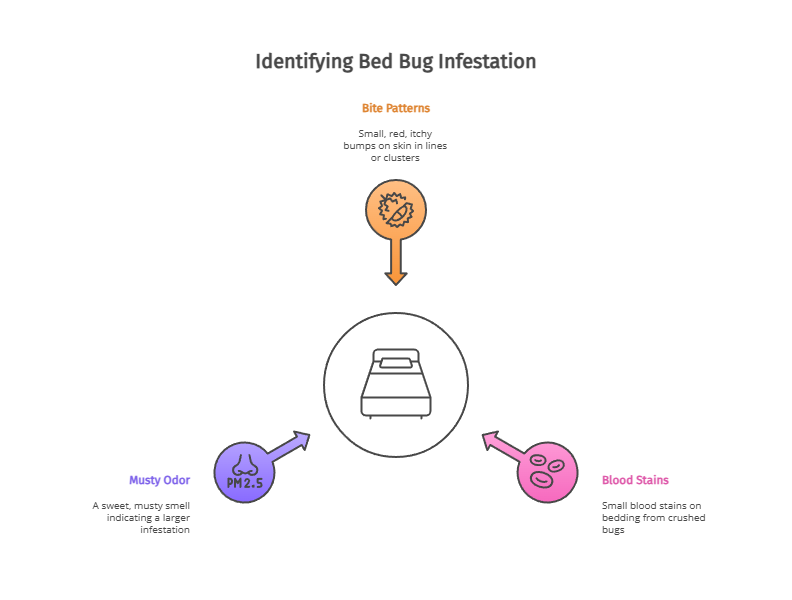
One of the first things people notice is the appearance of small, red, itchy bumps on their skin. Bed bug bites often show up in lines or clusters on exposed areas like arms, legs, or neck. However, these bites can be mistaken for mosquito or flea bites. The Centers for Disease Control and Prevention (CDC) explains that skin reactions vary from person to person, so relying on bites alone isn’t enough to confirm an infestation.
Blood Stains and Dark Spots on Bedding
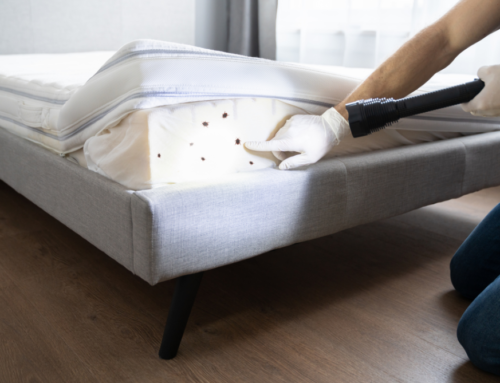
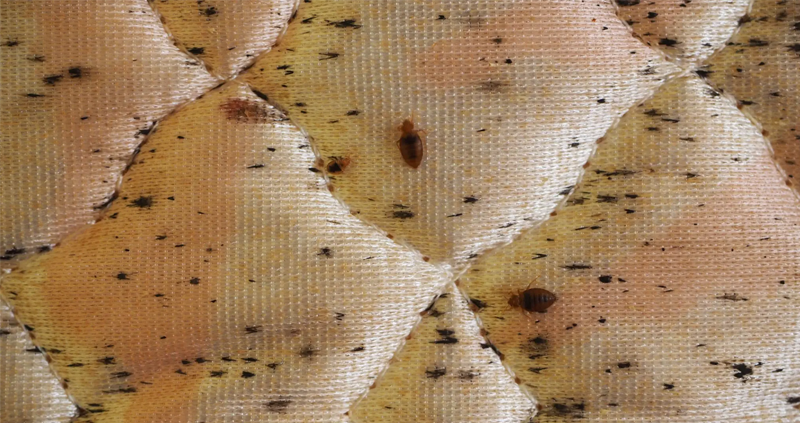
Another telltale sign is what’s left behind on your sheets. Small blood stains from crushed bed bugs or dark, rust-colored spots from their droppings can appear on pillowcases, mattresses, or blankets. The Environmental Protection Agency (EPA) recommends checking seams and folds in mattresses, where these marks often collect.
Musty, Sweet Odor
In heavier infestations, bed bugs release pheromones that create a musty, sweet smell. If you notice this odor around your bed or furniture, it may point to a larger population hiding nearby. While odor alone isn’t proof, combined with other signs, it strengthens the case for bed bugs.
Physical Evidence Around the Home
Shed Skins and Eggshells
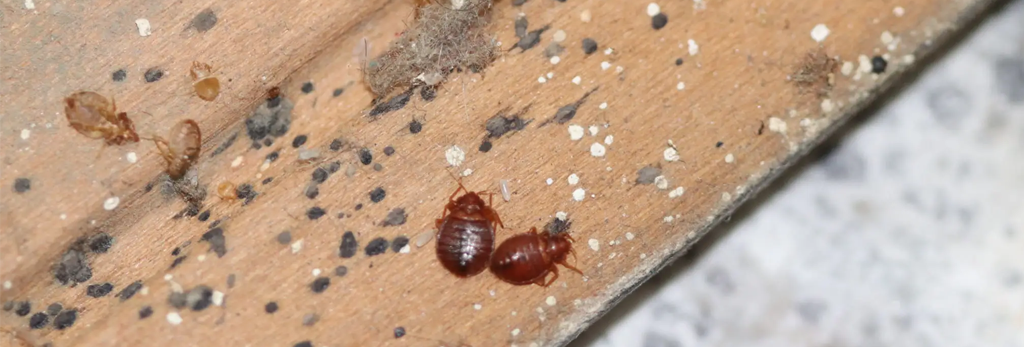
As bed bugs grow, they shed their exoskeletons. These light brown, papery skins can often be found in mattress seams, furniture joints, or along baseboards. You might also spot tiny white eggs or eggshells—about the size of a pinhead—tucked away in hidden areas. According to the University of Kentucky Entomology Department, these clues are among the most reliable evidence of bed bug activity (UK Entomology).
Live Bed Bugs in Hiding Spots
Bed bugs are excellent hiders. During the day, they squeeze into cracks and crevices near where people sleep or sit for long periods. Common hiding places include:
- Mattress seams and box springs
- Behind headboards or picture frames
- Inside furniture joints
- Along wall edges, baseboards, or electrical outlets
Adults are about the size of an apple seed, reddish-brown, and flat unless recently fed. Nymphs are smaller and lighter in color, making them harder to spot.
How to Check Your Home for Bed Bugs
If you suspect bed bugs, a careful inspection is key. Here’s a practical checklist:
- Use a flashlight and magnifying glass: Carefully scan mattress seams, folds, and tags.
- Inspect upholstered furniture: Pay close attention to stitching, cushions, and undersides.
- Look behind wall fixtures: Bed bugs often hide in cracks behind switch plates or picture frames.
- Check luggage and travel gear: After staying in hotels or rentals, inspect suitcases and clothing before bringing them inside.
- Launder bedding regularly: Washing and drying at high heat helps kill bed bugs at all life stages.
The EPA advises slow, methodical inspections, as bed bugs move quickly and hide in very small spaces.
When to Seek Professional Help
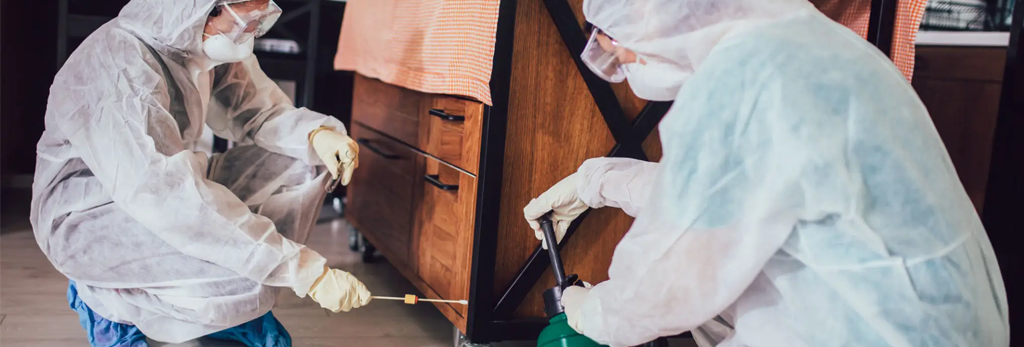
Spotting a single bed bug doesn’t always mean a large infestation, but because they reproduce quickly, waiting can make the problem worse. While vacuuming, steaming, and laundering can help reduce numbers, most infestations require professional treatment. Experts have access to targeted methods—such as heat treatments and insecticides—that homeowners cannot safely apply themselves. The CDC emphasizes that professional pest control is the most reliable way to fully eliminate bed bugs.
Discover why homeowners and business trust us. Read their real stories and experiences today!
FAQs About Bed Bug Infestations
- Do bed bugs spread disease?
No. According to the CDC, bed bugs are not known to transmit diseases. Their bites can still cause allergic reactions, itching, and secondary infections if scratched excessively. - Where do bed bugs come from?
Bed bugs are excellent hitchhikers. They spread by clinging to luggage, furniture, and clothing, often after travel or secondhand purchases. The EPA notes that even clean homes can experience infestations. - Do bed bugs only live in beds?
Not at all. While they prefer to stay close to where people sleep, bed bugs can also hide in sofas, chairs, wall cracks, and even electrical outlets. - How fast do bed bugs spread?
Female bed bugs can lay hundreds of eggs in their lifetime. With eggs hatching in about 6–10 days, populations can expand quickly if not addressed early. - How can I prevent bed bugs after traveling?
Inspect hotel mattresses and furniture before unpacking. Keep luggage off the floor, and when returning home, wash and dry all clothing on high heat. Carefully vacuum suitcases before storing them.
Need Help With Bed Bugs?
Catching an infestation early can save you stress and discomfort. While these tips help you recognize the signs, eliminating bed bugs usually requires professional support. If you’re near Austin, BrockStar Pest Services can provide tailored, effective bed bug solutions to restore peace of mind in your home or business.