WDI stands for Wood Destroying Insect. A WDI inspection is a professional examination of a home or property to look for signs of infestation or damage caused by insects that feed on, tunnel through, or damage wood. If you’re buying or selling a home in Texas, your lender almost certainly requires this inspection before finalizing your mortgage. It’s not just paperwork—it’s real protection for what’s likely the biggest investment of your life.
According to the National Pest Management Association, termites damage nearly 600,000 homes annually in the U.S., contributing to an estimated $30 billion in damage. In Texas specifically, lenders commonly require WDI inspections in areas like Houston, Dallas-Fort Worth, Austin, San Antonio, and Corpus Christi due to high termite activity. These aren’t optional—they’re critical for your financial safety and the structural integrity of your home.
From residential, commercial, and multi-family pest control to WDI inspections and pre-treatments—protect your property today. Schedule your Austin pest control service now.
What Gets Inspected? Areas Covered in a WDI
A thorough WDI inspection doesn’t just look at one or two spots. Licensed inspectors examine accessible areas systematically, both inside and outside your home.
Exterior areas include:
-
Foundation and perimeter (checking for mud tubes and shelter tubes)
-
Walls, siding, windows, and door frames
-
Roof eaves, gutters, and fascia boards
-
Decks, porches, and garage structures
-
Areas where utilities enter the home
-
Fences, railings, and other wooden structures
Interior areas include:
-
Basement and crawl spaces (if accessible)
-
Attics and roof framing
-
Interior walls, baseboards, and door frames
-
Plumbing areas and under-sink spaces
-
Hardwood floors and wood trim
The inspector uses tools like flashlights, moisture meters, and sometimes borescopes or infrared cameras to look for evidence of pest activity and conducive conditions. They’ll probe wood surfaces and check for soft or hollow spots—signs that pests have been at work.
What Common Pests Are We Looking For?
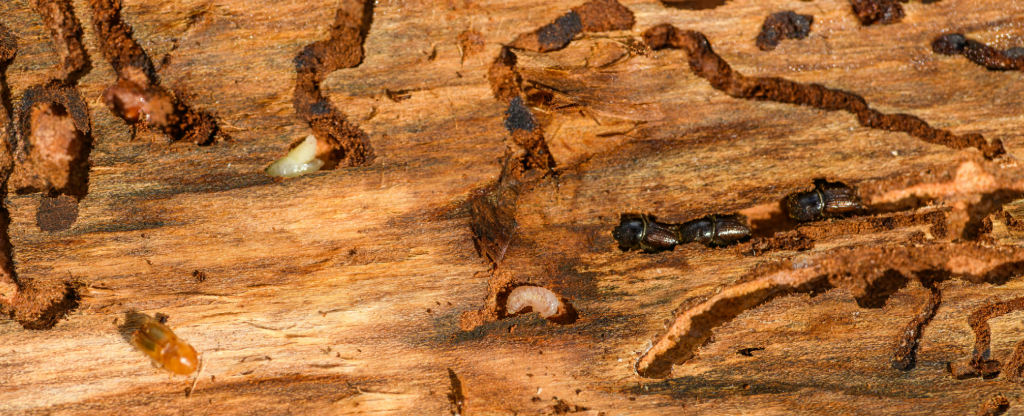
Texas is home to several wood-destroying insect species. Knowing which ones are most common in your area helps you understand the risk level.
Eastern Subterranean Termites
The most common termite species in Texas, Eastern Subterranean Termites build their colonies in the soil and must maintain contact with earth to survive. You’ll recognize their presence by pencil-thin mud tubes they construct along foundations and walls. These native termites work steadily but can cause major damage over time if left untreated.
Formosan Subterranean Termites
Often called “super termites,” Formosan Subterranean Termites are considered one of the most aggressive and economically devastating termite species in the world. Originally discovered in Texas near the Houston Ship Channel in 1956, they’ve now spread to at least 30 Texas counties, including major metropolitan areas.
What makes Formosan termites especially dangerous:
-
Their colonies can contain several million individuals compared to several hundred thousand in native termite colonies
-
They forage up to 300 feet in soil, threatening multiple structures
-
They construct aerial nests inside walls and attics using carton (chewed wood, soil, and saliva), allowing them to damage homes even if separated from their ground nest
-
They consume both spring growth and late-season wood, making them more destructive than native species
Formosan termites swarm at night from May through June and are attracted to lights—if you see winged termites near windows during these months, it’s a red flag.
Drywood Termites
Drywood Termites are less common in Texas but found occasionally in West Texas and sometimes in imported furniture. Unlike subterranean termites, they don’t need soil contact and can live entirely in dry wood. They swarm in late summer or early fall and leave behind tiny pellets (frass) that resemble sawdust.
Carpenter Ants
Don’t assume every ant-sized pest is a termite. Carpenter Ants are wood-destroying insects, but they don’t eat wood—they excavate it to build nests. In Texas, there are 18 species of carpenter ants, and they’re attracted to moist, rotting wood, especially around roof and plumbing leaks. When they tunnel, they leave behind frass that looks like light brown or grey sawdust.
Carpenter Bees
Carpenter Bees don’t eat wood but feed on pollen—however, they bore holes about ½ to ¾ inch in diameter into dry, unpainted, weathered wood for nesting. They prefer pine, fir, cypress, oak, and redwood. You’ll usually notice them in spring when the brood emerges.
Powderpost Beetles
Powderpost Beetles are divided into four families, and it’s the larvae that cause major damage. They infest hardwoods and produce fine powdery dust as they tunnel through the wood.
What Signs Do Inspectors Look For?
Professional inspectors know what to watch for. Here are the telltale signs of wood-destroying insects:
Mud and Shelter Tubes: Subterranean termites build pencil-thin (1/8–1/4 inch) mud tubes to protect themselves as they travel between soil and wood. These light-brown tunnels are one of the most obvious signs of an active infestation.
Discarded Wings: When termites swarm and establish new colonies, they drop their wings. Finding piles of translucent wings on window sills or baseboards is a strong indicator of activity.
Frass (Termite Droppings): This sawdust-like debris varies by insect type. Carpenter ants leave light-colored frass, while drywood termites leave darker pellets. Inspectors can identify the pest type by examining this closely.
Hollow or Damaged Wood: When tapped with a hard object, wood damaged by termites sounds dull or hollow. Severe termite damage can leave wooden structures almost hollow and crinkled-sounding.
Moisture and Conducive Conditions: Termites thrive in moist environments, so inspectors use moisture meters to detect high humidity levels in walls and other areas. Poor drainage, clogged gutters, and standing water are all red flags.
How Does the Inspection Process Work?
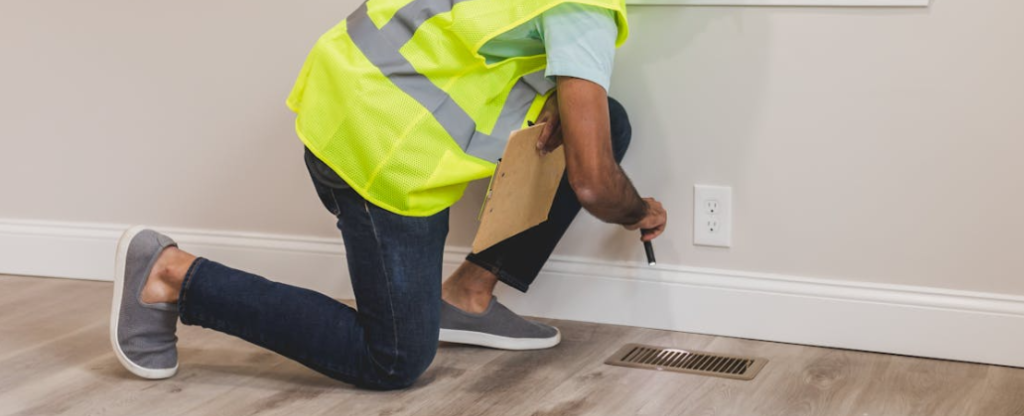
A professional WDI inspection is systematic and non-invasive. Here’s what to expect:
Step 1: Visual Examination
The inspector conducts a detailed visual inspection of accessible areas, looking for live insects, dead insects, damage, and signs of previous activity. They’ll carefully examine foundations, crawl spaces, attics, and interior walls.
Step 2: Probing and Tapping
Using a screwdriver or similar tool, the inspector probes wood surfaces to check for soft spots and hollow areas. This helps detect damage that isn’t visible on the surface.
Step 3: Moisture Detection
A moisture meter helps locate hidden termite nests and conducive conditions where pests could establish themselves. Moisture is a key factor in termite attraction.
Step 4: Documentation
All findings are recorded on the official Texas Wood Destroying Insect Report (Form NPMA-33). In Texas, only individuals licensed by the Texas Department of Agriculture can legally perform WDI inspections and issue this official report.
Step 5: Recommendations
If active infestations or conducive conditions are found, the inspector provides treatment recommendations. These might include soil treatments, bait systems, or repairs to eliminate moisture sources.
See what our happy customers are saying! Read real reviews and discover why homeowners trust us.
Why Choose BrockStar for WDI Inspection
When you schedule your WDI inspection with BrockStar Pest Services, you’re choosing local, experienced professionals who understand Texas termites—especially the aggressive Formosan species that threaten our region.
Here’s what sets BrockStar apart:
-
Licensed and Certified Inspectors: BrockStar’s inspectors are fully licensed by the Texas Department of Agriculture, meeting all legal requirements for official WDI inspections.
-
Texas Expertise: With deep knowledge of Eastern Subterranean, Formosan, and drywood termites, our team knows exactly what to look for in your specific area—whether you’re in Austin, Houston, Dallas, San Antonio, or anywhere else in Texas.
-
Fast Turnaround: We understand that real estate transactions move quickly. BrockStar prioritizes same-day scheduling and fast report delivery so your closing stays on track.
-
Detailed, Clear Reports: You’ll receive a comprehensive, easy-to-understand NPMA-33 report that meets all lender requirements and gives you the full picture of your home’s condition.
-
Beyond the Inspection: If issues are found, BrockStar can recommend next steps and connect you with treatment options to protect your investment.
-
Local Pride: Saving Texas homes, one inspection at a time. BrockStar is your neighbor who knows your community and genuinely cares about getting it right.
Schedule Your WDI Inspection Today
Whether you’re buying, selling, or refinancing, don’t leave your home’s safety to chance. Contact BrockStar Pest Services to schedule your professional WDI inspection and get the peace of mind you deserve. With BrockStar, you’re getting friendly service backed by expert results—exactly the way pest control should be.
Frequently Asked Questions
1. Is a WDI inspection required in Texas?
In most cases, yes. Mortgage lenders—particularly those offering VA, FHA, and conventional loans—commonly require a WDI inspection in Texas, especially in areas with high termite activity. Even if your lender does not require it, an inspection is a smart way to protect your investment and identify issues before they become costly repairs.
2. How long does a WDI inspection take?
A typical WDI inspection takes 30 to 90 minutes, depending on the home’s size and accessibility. Larger homes or properties with multiple structures may take longer. Your inspector can provide a more accurate timeframe based on your specific property.
3. What happens if termites are found?
If active termite infestation or damage is discovered, there is no need to panic. The WDI report will outline the findings and recommend next steps. Many infestations can be treated quickly and affordably by a professional pest control provider. Buyers and sellers often negotiate responsibility for treatment, or the seller may choose to address the issue before listing.
4. Can I do a WDI inspection myself?
While homeowners can look for visible signs such as mud tubes, hollow-sounding wood, or discarded wings, a professional inspection is far more thorough and legally recognized. Only inspectors licensed by the Texas Department of Agriculture can issue the official NPMA-33 report required by lenders. A professional has the training, tools, and authority needed for real estate transactions.
5. How often should I get a WDI inspection?
For home purchases and refinancing, lenders typically require a single inspection. For homeowners in termite-prone areas such as Houston, Austin, and other humid regions of Texas, scheduling regular preventive inspections is a smart approach. Early detection helps prevent extensive damage and reduces long-term repair costs.