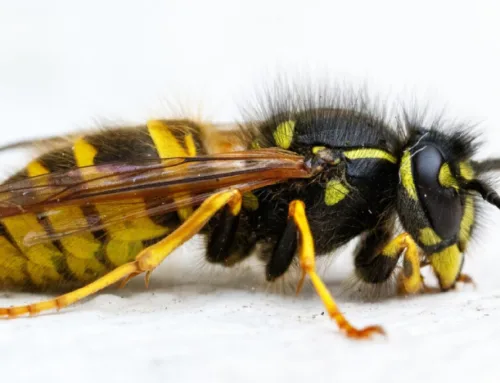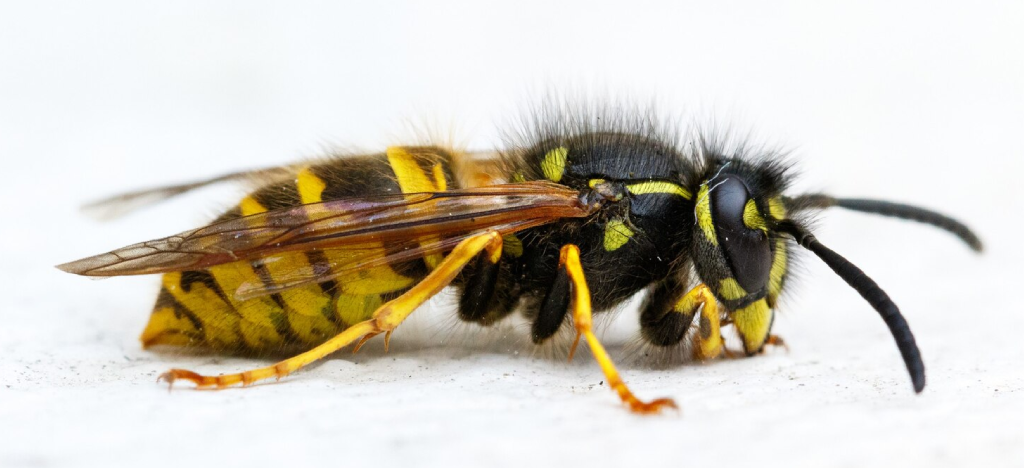
If you’ve never dealt with pest control before, you might hear the term “pre-treatment” and wonder what it actually means. Here’s the short version: pest pre-treatment is your chance to stop bugs before they even move in. It’s like building a fence before someone tries to trespass—except the fence stops fire ants, termites, and cockroaches instead of uninvited neighbors.
In Texas, where the heat brings out bugs faster than you can say “summer,” pre-treatment is one of the smartest investments you can make for your home. Let’s break down what it is, why it matters, and how it can protect your family.
Protect your property from pests! Beyond pre-treatment, we offer Residential, Commercial, and Multi-Family Pest Control, WDI Inspections, and Rodent Seal Up. Book us today!
Why Pre-Treatment Matters for Your Texas Home
Texas pests are relentless. We’re talking about fire ants that form floating islands during floods, termites that cost homeowners nearly $5 billion in damages annually across the U.S., and cockroaches that thrive in our warm, humid summers. The Texas heat creates the perfect breeding ground for these unwelcome guests—except in-laws, you’re on your own with them.
Pre-treatment works by creating a protective barrier before pests show up. It’s the difference between catching a problem before it starts and calling for emergency pest control in the middle of the night because your kitchen is crawling with roaches.
The biggest benefit? Cost savings. Treating a full-blown infestation costs way more than preventing one. According to pest control experts, preventive treatment reduces the likelihood of future infestations by up to 80%, which means fewer emergency calls and less money out of your pocket.
Understanding Pest Pre-Treatment: The Basics
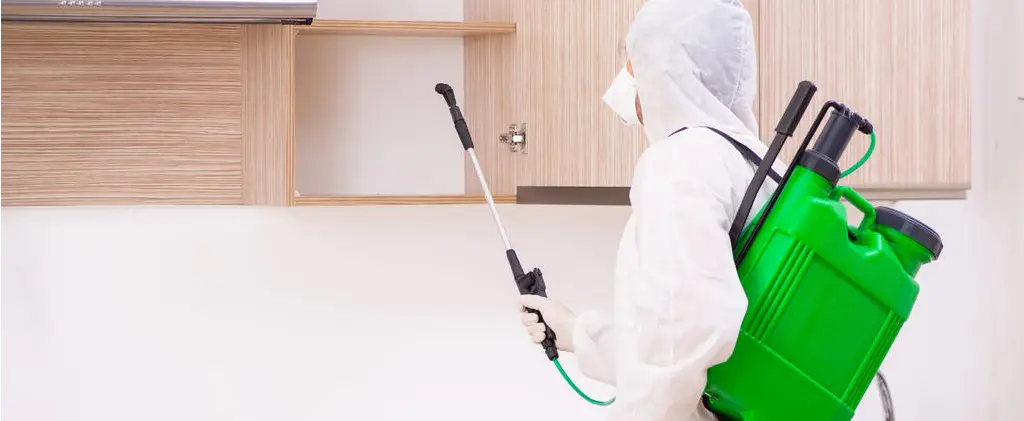
So what exactly is pre-treatment? It’s a protective application designed to stop pests from settling into or around your home. Think of it as creating an invisible barrier around your property.
There are two main approaches: preventive pre-treatment (stopping pests before they show up) and reactive treatment (dealing with pests after they’ve already moved in). Preventive pre-treatment is always cheaper and smarter.
In Texas, this usually means treating your home’s foundation, yard perimeter, and entry points with professional-grade pesticides. These liquid barriers create chemical boundaries that pests won’t cross, essentially telling bugs to find somewhere else to call home.
Common Types of Pre-Treatment Methods
Pre-treatment comes in several flavors, depending on what pests you’re targeting and what works best for your home’s setup.
Perimeter barrier treatments are the most common. A licensed pest control pro applies a liquid pesticide in a band around your home’s foundation, creating a chemical moat that stops pests in their tracks. This method is especially effective for termites and fire ants, which enter homes through the ground.
Bait stations are another option. These are placed strategically around your property and work slowly but effectively—pests take the bait back to their nests, which takes out the whole colony. Bait systems require ongoing monitoring and maintenance, but they’re worth it for long-term protection.
Physical barriers like sealed cracks, removed mulch, and trimmed vegetation reduce pest hiding spots and entry points. While not a standalone solution, these work hand-in-hand with chemical treatments to maximize protection.
Each method targets different pests and works best in specific situations. That’s why talking to a professional is important—they’ll know which method works best for your Texas home.
Common Austin Pests That Benefit from Pre-Treatment
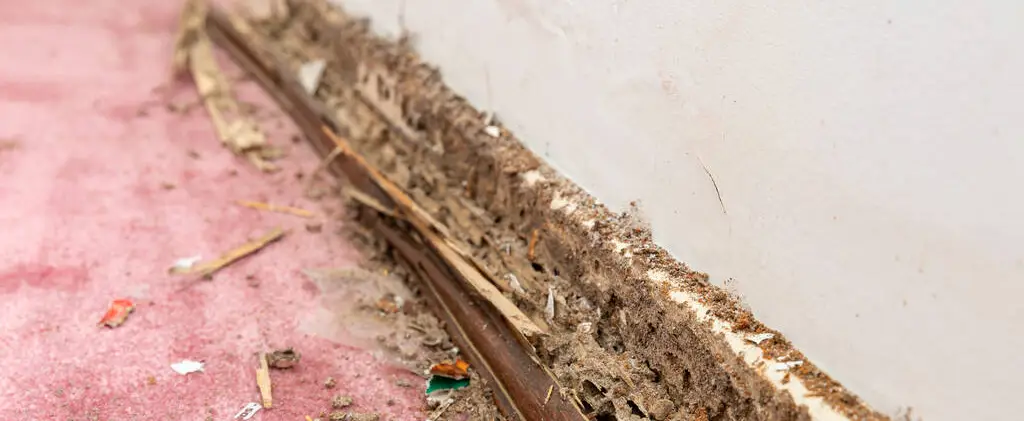
Austin’s warm climate loves pests just as much as we love our tacos and live music. Here are the usual suspects that pre-treatment helps stop:
Fire ants are the bullies of the Texas bug world. They form massive colonies in soil and can deliver painful stings. Pre-treatment around your yard’s perimeter stops them before they establish nests near your home.
Termites are silent destroyers. They cause an estimated $5 billion in property damage annually in the U.S., and many homeowners don’t even know they have them until serious damage occurs. Foundation barrier treatments are your best defense against these wood-eating nightmares.
Cockroaches thrive in Texas heat and humidity. They’re attracted to kitchens and can multiply rapidly. Pre-treatment seals entry points and creates barriers that keep them out before they become a full infestation.
Carpenter ants don’t eat wood like termites, but they hollow it out to nest in it. Pre-treatment protects wooden structures, especially around your home’s perimeter, preventing colonies from taking hold.
How Long Does Pest Pre-Treatment Last?
Here’s a question we get asked a lot: “How long will this protect my home?” The answer depends on the type of treatment.
Liquid barrier treatments typically last between 30 and 90 days for standard applications, though some professional-grade treatments can protect for up to a year with proper reapplication. Chemical barriers applied by professionals can remain effective for 5 to 12 years, depending on environmental factors and the specific product used.
Bait stations need regular monitoring and replenishment, usually every 30 to 60 days during active seasons. They’re not a “set it and forget it” solution, but they’re incredibly effective for long-term control.
The bottom line: regular maintenance extends protection. Many homeowners schedule quarterly treatments to maintain year-round defense against Texas pests—smart thinking, considering how active our bug population stays.
What to Expect Before and After Pre-Treatment

Knowing what to expect takes the mystery (and worry) out of the process.
Before treatment, your pest control pro will inspect your property and identify entry points, vulnerable areas, and the best treatment strategy. You’ll typically need to clear some yard space around your home’s foundation and remove kids’ toys or pet belongings from treatment areas. It’s minimal prep, but it helps the treatment work better.
During treatment, expect the pro to spend 30 to 60 minutes applying barriers and placing bait stations. You don’t need to leave your home, and treatment is odorless and non-staining when applied correctly.
After treatment, pets and children should stay clear of treated areas for a few hours while the treatment dries. Results typically appear within days to weeks as pests encounter the barrier and move on to find food elsewhere.
Is Pre-Treatment Right for Your Home?
Pre-treatment makes sense for almost every Texas homeowner, but here’s when it’s especially important:
-
New construction: If you’re building a home, pre-treatment during construction is standard and highly effective.
-
Existing homes with no current pest problems: This is your best chance to stay ahead of the game.
-
Homes in pest-prone areas: If your neighbors have dealt with termites or fire ants, pre-treatment is basically mandatory.
-
Properties with wood structures or gardens: Decks, sheds, and vegetable gardens attract pests. Pre-treatment creates a protective zone.
Red flags that you need pre-treatment right now? Seeing any pests around your property, noticing damage to wood structures, or living in an area where pest problems are common. Texas weather and humidity create ideal conditions for infestations—getting ahead of the problem now saves you thousands later.
See why our customers trust us! Read their stories and discover how we make a difference.
Take Action Today: Protect Your Texas Home
Pre-treatment isn’t just a luxury for Austin homeowners—it’s smart preventive maintenance. You wouldn’t skip an oil change on your truck; don’t skip pest pre-treatment for your home either.
The best part? Professional pre-treatment is way more effective than anything you can DIY. Pros know the right products, the right techniques, and exactly where pests like to enter your home.
Ready to stop pests before they start? Call BrockStar now for a free pre-treatment inspection. We’ll assess your home, explain your options, and get you protected—fast and friendly, with expert results.
Frequently Asked Questions About Pest Pre-Treatment
1. What’s the difference between pre-treatment and regular pest control?
Pre-treatment is a preventive barrier applied before pests show up, while regular pest control treats active infestations. Pre-treatment stops bugs from entering your home in the first place, whereas reactive pest control fights an invasion that’s already happening. Think of pre-treatment as insurance and regular pest control as emergency care.
2. Can pre-treatment work on existing homes in Texas, or just new construction?
Pre-treatment absolutely works on existing homes. Many existing homes can be retrofitted with termite barriers and perimeter treatments, creating the same protective benefits as new construction. Whether your home is brand new or decades old, a professional can apply pre-treatment barriers around your foundation and yard.
3. How much does pest pre-treatment cost?
Costs vary based on your home’s size, location, and pest risk, but most homeowners can expect to invest between $300 and $1,000 for initial pre-treatment. This varies widely depending on the specific treatment method and your region, but the investment typically pays for itself by preventing expensive infestations. Annual maintenance treatments are usually less costly.
4. Is pest pre-treatment safe for my family and pets?
Yes, when applied by licensed professionals. Modern pest control products are designed to be safe for families and pets when used according to label directions. Keep kids and pets away from treated areas for a few hours while treatments dry. Your pest control pro will give you specific safety instructions for your family and household pets.
5. How do I know if I need pre-treatment for my home?
If you’ve never had pest control treatment, you live in Texas, and you want to avoid infestations, pre-treatment is for you. Especially consider it if you see pests around your property, notice wood damage, or live in an area where neighbors have dealt with termites or fire ants. A free inspection from a pest control pro can confirm whether pre-treatment is right for your specific situation. Call BrockStar today for your no-obligation assessment.