A Wood Destroying Insect (WDI) inspection is a specialized assessment designed to uncover the presence of pests like termites, carpenter ants, and certain beetles that can quietly cause significant damage to homes and buildings in Austin, Texas (Texas Official Wood Destroying Insect Report). These inspections are particularly important during property transactions and renovations, protecting homeowners, buyers, and managers from hidden surprises. Texas law requires licensed professionals to conduct these inspections and provide official reports stating whether the structure shows evidence of active or prior infestations (4 Tex. Admin. Code § 7.175). Even in newer neighborhoods, Austin’s climate creates ideal conditions for these pests, making regular WDI inspections a smart move for property upkeep.
Looking for more than rodent seal-ups? We also provide residential and commercial pest control, multi-family services, WDI inspections, and pre-treats.
Immediate Actions After a WDI Infestation is Found
If your WDI inspection uncovers pest activity or past damage, it is important to act swiftly and methodically. The inspector’s report will specify which areas were affected and the types of insects found. In Texas, any visible evidence of active or previous infestation should be assumed to mean that some degree of damage is present—which may affect safety and property value. Review the inspection findings with your pest control provider to understand the scope and severity. Precise documentation helps guide next steps, ranging from targeted treatment to structural repairs. Remember, only licensed specialists should provide treatment recommendations and fulfill legal reporting requirements (TREC guidelines).
Treatment Options for Pest Infestations
Effective pest treatment starts with a proper diagnosis. Professional pest control companies in Austin use a range of methods tailored to both the type of insect and the property’s needs. The most common termite treatments include:
-
Termiticide Barriers: These involve applying liquid pesticides around the foundation and entry points, creating a protective shield that keeps termites out.
-
Bait Stations: These systems target termites by attracting them to chemical baits which eliminate entire colonies.
-
Direct Chemical Applications: Foams or liquids may be injected directly into infested wood or voids for precise control of visible infestations.
Licensed pest professionals will help determine the best option for your situation, considering local regulations and safety.
Preventing Future Infestations
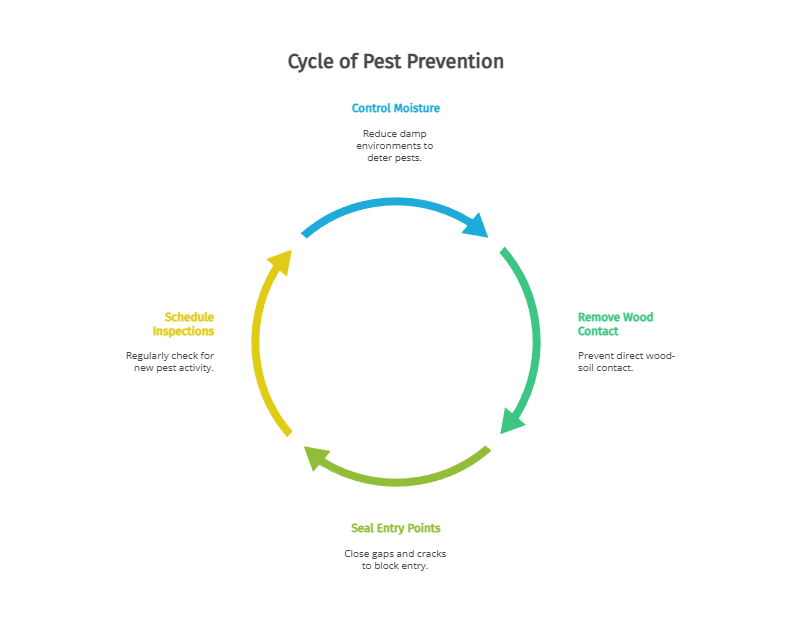
Stopping future infestations requires both vigilance and maintenance. Homeowners and property managers can take several key steps:
-
Control Moisture: Termites thrive in damp environments. Fix leaks, improve drainage, and keep crawlspaces well-ventilated. Moisture control is a proven strategy for reducing infestation risks.
-
Remove Wood-to-Soil Contact: Prevent direct contact between wood and soil around the property’s foundation.
-
Seal Entry Points: Regularly inspect and caulk cracks, gaps, and utility penetrations. Pest exclusion services often include comprehensive sealing.
-
Schedule Recurring Inspections: Annual or semi-annual WDI inspections are recommended to ensure that any new pest activity is caught early before damage escalates.
By maintaining a preventative focus, property owners in Austin can keep their investments safe from wood-destroying insect threats.
Legal, Property, and Transaction Implications
WDI inspection findings can impact real estate deals, rental agreements, and legal responsibilities. In Texas, official pest reports must be disclosed during property transactions, and repairs may be required before closing. For property managers and landlords, failing to address infestations that threaten health or safety can result in legal penalties or license suspension. Ensuring compliance with state and local rules is crucial for avoiding costly fines and protecting tenant/owner relationships.
See how our rodent seal-up service has helped homeowners keep pests out for good. Read our testimonials to hear real customer success stories.
Your Trusted Local Resource for WDI Solutions

When a WDI inspection reveals pest infestations, having an experienced, reliable local partner is key. BrockStar Pest Services has been serving Austin homeowners, real estate professionals, and property managers since 2012, with a focus on thorough inspections, clear guidance, and science-based pest solutions (Austin WDI Services). Our licensed technicians know what it takes to keep Central Texas properties pest-free and compliant.
FAQ
- Q1: How often should I get a WDI inspection for my Austin property?
A: Experts recommend annual or semi-annual inspections, especially before buying, selling, or renovating. This helps catch problems early and supports proper maintenance. - Q2: Who can legally perform WDI inspections in Texas?
A: Only inspectors licensed by the Texas Department of Agriculture are permitted to conduct and officially report on WDI inspections. - Q3: What pests are most common in Austin WDI reports?
A: Termites, carpenter ants, carpenter bees, and powder post beetles are some of the most frequently detected wood-destroying insects in Austin properties (Austin WDI Services). - Q4: Can pest activity in a WDI inspection delay a home sale?
A: Yes, active infestations and unrepaired damage may delay closings or require repairs before a sale is finalized. - Q5: What are the best home maintenance tips for preventing WDI problems?
A: Control moisture, keep wood away from soil, seal foundation gaps, and maintain vegetation a safe distance from structures. Scheduling regular inspections ensures you stay ahead of problems.