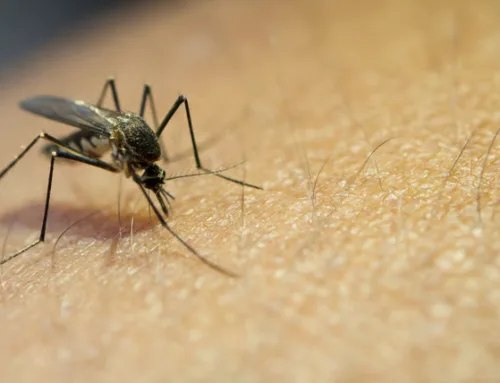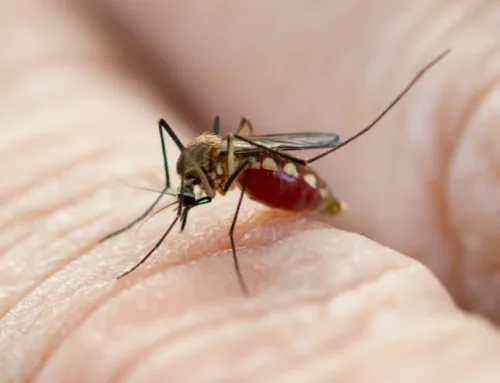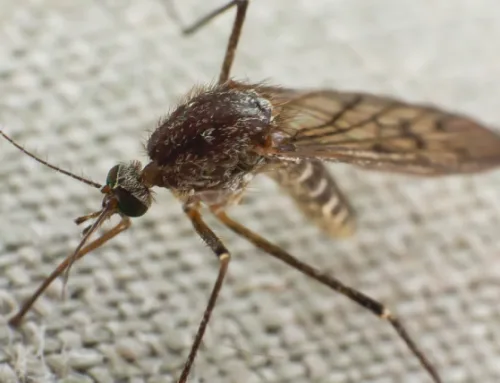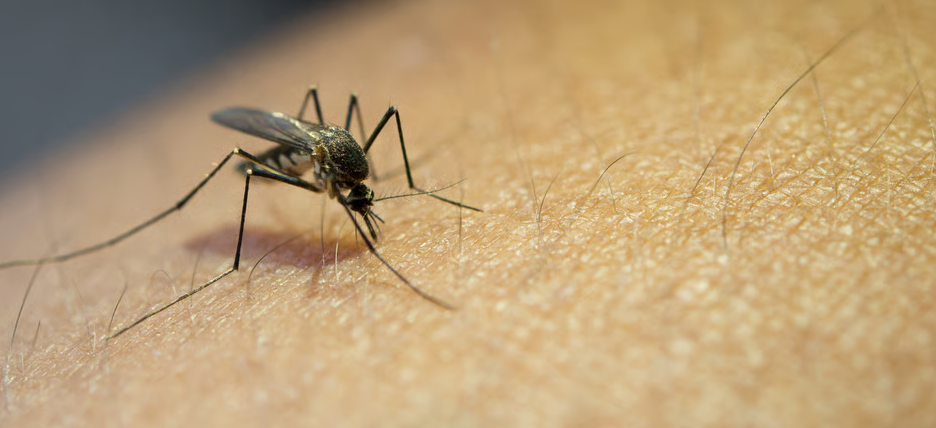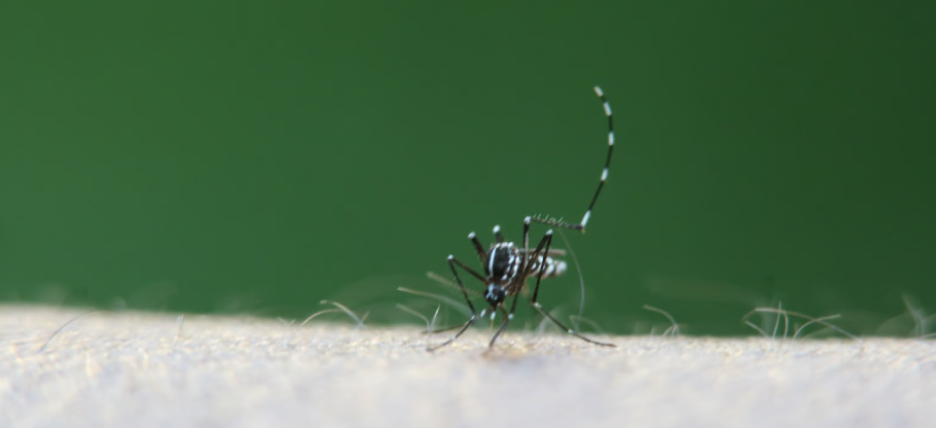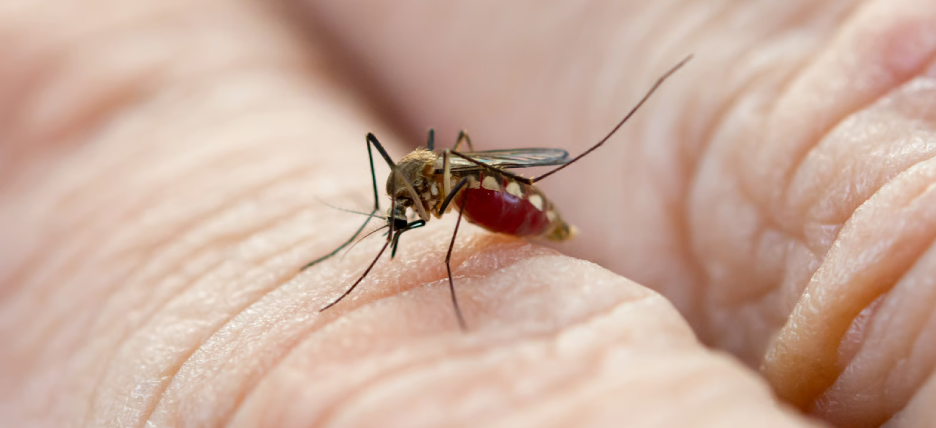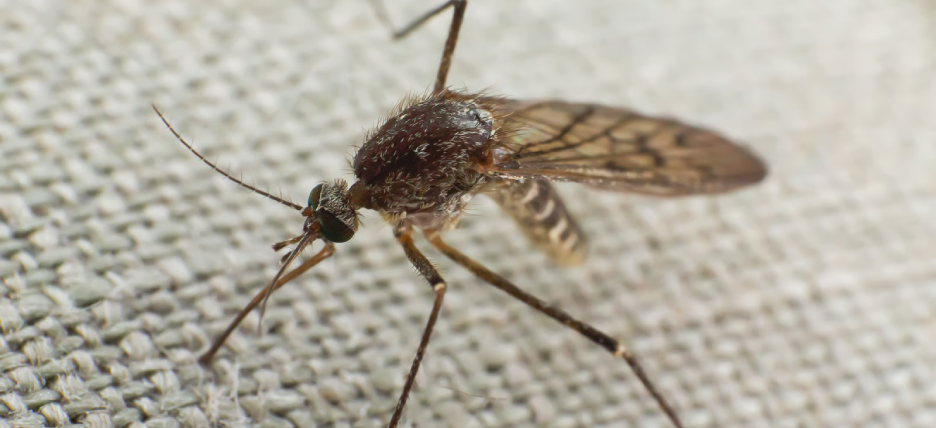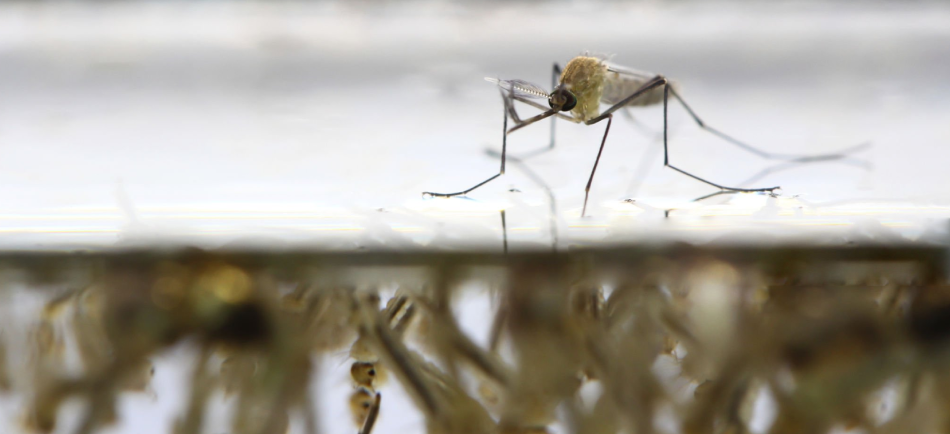
Mosquitoes love one thing as much as they love ruining a backyard get-together: water that sits still. And in warm weather, they can move fast: the CDC notes that an Aedes mosquito egg can take about 7-10 days to develop into an adult.
This post breaks down which fish can help with mosquito larvae, where they work, and when it is time to bring in a pro.
We provide expert mosquito control across Austin, Dripping Springs, Bee Cave, Lakeway, Round Rock, Buda, and Kyle. Schedule Today!
Quick answer: fish that eat mosquito larvae
If you have a pond, stock tank, or another water feature that stays wet, fish can help cut down larvae in that water.
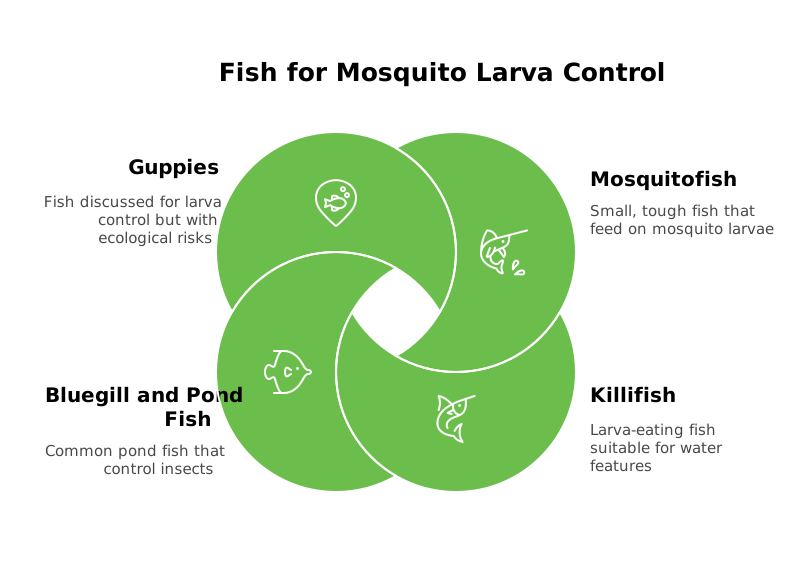
Mosquitofish (Gambusia affinis)
Texas A&M AgriLife notes that mosquitofish (Gambusia affinis) feed on mosquito larvae. They are small, tough, and known for hanging near the surface and edges where larvae hang out.
Killifish (Fundulus species)
The same Texas A&M AgriLife guide also lists killifish (Fundulus spp.) as larva eaters, which makes them another option for the right water feature.
Bluegill and other pond fish (in bigger ponds)
If you have a true pond, you may already have insect eating fish in it: Oklahoma State University Extension says common pond fish like bluegill and related sunfish do an excellent job of insect control.
Guppies (Poecilia reticulata), with a big warning label
Guppies get talked about for larva control, but they come with real ecology concerns: a Royal Society paper warns that using guppies for mosquito control can create wildlife and ecosystem risks if they spread. In Texas, do not treat guppies like a “release them anywhere” solution.
Match the fish to the water (this is where most people get stuck)
Fish help in water that stays wet and has enough space and oxygen for them to live. They will not solve a container problem.
How fish help (and why they are not a full fix)
Fish mainly help by eating larvae in the water they live in. That is great for a pond or tank, but it does nothing for the random small containers mosquitoes use around a yard.
For public health programs, larva eating fish have also been used as part of bigger plans: a World Health Organization manual describes the use of larvivorous fish as one tool in mosquito borne disease control.
Safety: do not move fish around Texas waterways
Here is the simple rule: keep fish in the water feature you control. Do not dump fish into creeks, lakes, or drainage areas.
Why the caution? Mosquitofish have been moved all over the place for mosquito control, and that can cause problems when they end up in places they do not belong: the Smithsonian Invasions page describes established introduced populations of Gambusia affinis and notes some introduced stocks trace back to Texas.
Also, even if mosquitofish are hardy, they are not magic. Texas Parks and Wildlife explains mosquitofish usually live in the shallows of slow moving freshwater streams and have been introduced in some coastal marshes to help control mosquitoes.
A simple Texas yard plan that pairs well with fish
If your goal is fewer bites, think of fish as one helper, not the whole crew.
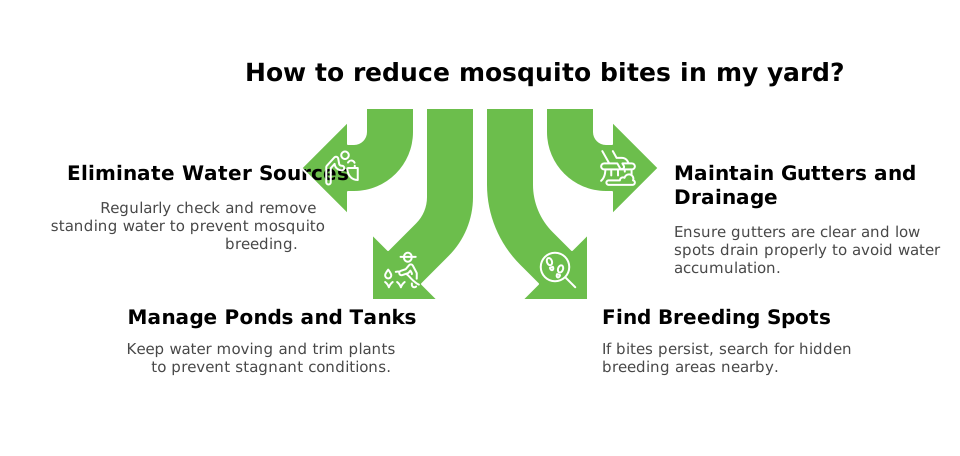
- Walk the yard weekly and dump anything that holds water.
- Keep gutters flowing and low spots draining.
- Keep ponds and tanks from turning into a thick, still soup: trim extra plants and keep water moving when you can.
- If you keep getting nailed by mosquitoes, there is usually a hidden breeding spot close by.
See what our happy customers are saying! Read real reviews and discover why homeowners trust us.
When to call a mosquito control pro
When mosquitoes keep showing up even after you knock out standing water, it can mean breeding is happening in spots you can’t see—or can’t fix on your own.
In Texas, mosquito control work can involve licensing based on what’s being done and who’s doing it. The Texas Department of Agriculture outlines licensing requirements tied to mosquito control activities. That’s where BrockStar comes in: our trained team can track down hidden breeding sites, choose the right treatment plan and timing, and help keep your yard comfortable again.
If you want help, book a mosquito inspection with BrockStar so we can track down what is feeding the problem around your home and build a plan that actually holds up week after week.
FAQ
1) What is the best mosquito larvae eating fish for Texas ponds?
For many Texas ponds, mosquitofish are the most common name people hear. Fishes of Texas lists Gambusia affinis distribution across many Texas drainage units.
2) Will fish stop mosquitoes in bird baths or rain barrels?
Bird baths are too small for fish, so the better move is regular dumping and scrubbing. For stored water, Rhode Island Department of Health guidance recommends weekly emptying and tightly covering water storage containers like rain barrels.
3) How fast can mosquitoes breed in warm weather?
Warm water speeds everything up. The EPA explains that mosquito development time depends on water temperature and that the pupal stage can be as short as a couple days to about a week.
4) Should I release mosquitofish into creeks or neighborhood lakes?
No. A U.S. Fish and Wildlife Service ecological risk screening summary reviews risks tied to western mosquitofish introductions. Keep any fish use limited to contained water features you control.
5) I already have a pond. Why do I still have mosquitoes?
Most biting pressure often comes from small water sources, not the main pond. The American Mosquito Control Association notes mosquito larvae live in water and development time can vary based on water temperature. So even with fish in the pond, a few hidden containers can keep the cycle going.