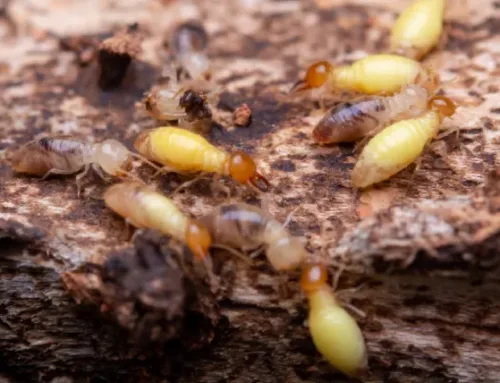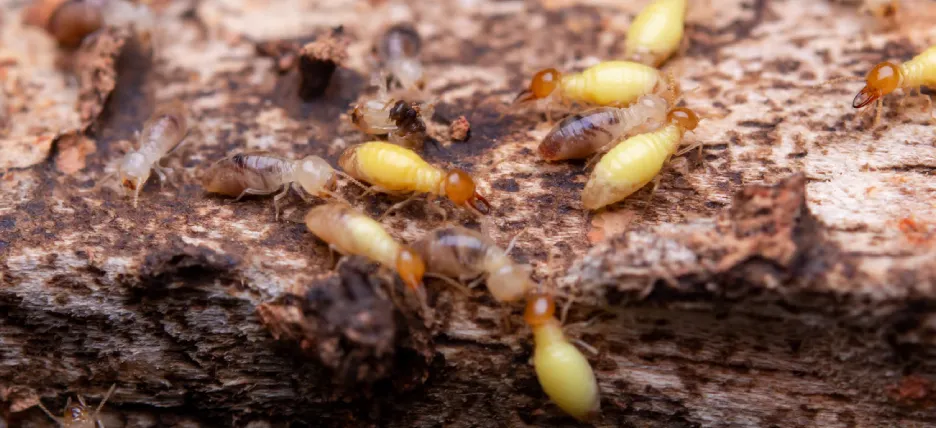
Your house is likely the biggest investment you’ll make in your lifetime. It deserves protection—especially from an enemy you can’t see coming. Termites work silently, eating away at your home’s wooden skeleton for years before you even notice they’re there. By the time most homeowners discover an infestation, thousands of dollars in damage has already occurred. The good news? Termite control isn’t just about stopping a pest problem—it’s about protecting your family’s financial security, your health, and your peace of mind.
We provide expert termite control across Austin, Dripping Springs, Bee Cave, Lakeway, Round Rock, Buda, and Kyle. Protect your home or business today!
Structural & Financial Protection: The Real Cost of Waiting
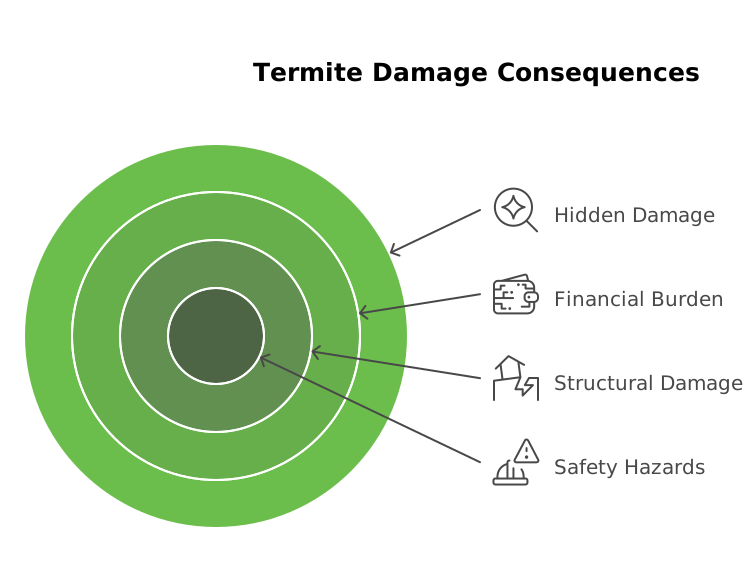
Hidden Damage Adds Up Fast
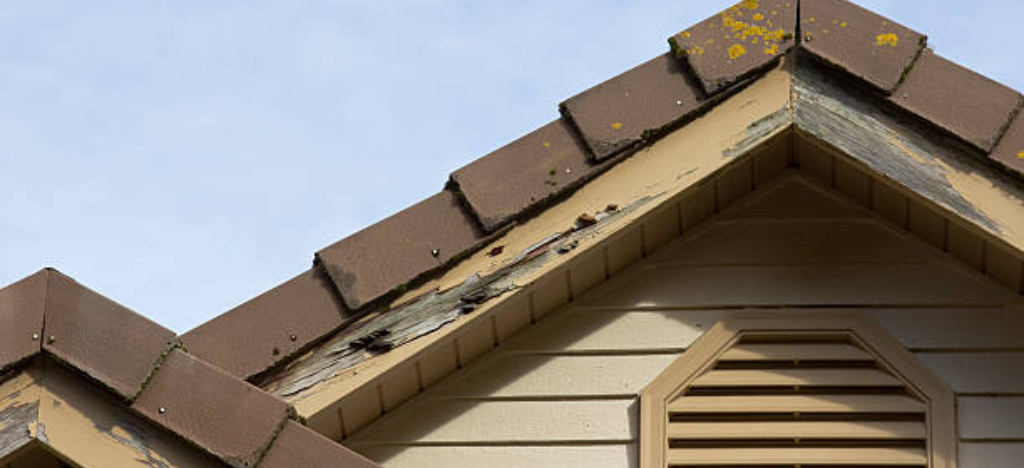
When termites invade, they don’t announce themselves. They tunnel through your home’s wooden structure from the inside out, leaving only a thin shell of healthy wood on the surface. This makes detecting termite activity incredibly difficult until severe damage has occurred.
The numbers tell a sobering story. Termites cost U.S. property owners over $5 billion annually, with around 600,000 residential homes affected each year. The average cost to repair termite damage ranges from $1,000 to $10,000, with a national average of $3,000. But that’s just the average—structural damage involving support beams, joists, and foundational elements can easily exceed $10,000.
Consider this: one small termite colony of just 60,000 insects can eat through a 2″ x 4″ piece of wood in just five months. Now imagine what a mature colony of hundreds of thousands can do over the years while hidden inside your walls.
Why Your Homeowners Insurance Won’t Help
Here’s a harsh reality that catches many homeowners off guard: most homeowners insurance policies explicitly exclude termite damage, considering infestations preventable with proper maintenance. When termites strike, you’re 100% responsible for all repair costs. No insurance safety net. No claim you can file. Just your wallet bearing the entire burden.
This is why prevention is so much smarter than dealing with the aftermath. Professional termite protection plans cost approximately $300-$800 annually, depending on your home’s size. That’s less than 10% of what you’d pay for minor damage repairs, and a fraction of what major structural work would cost.
Structural Damage Beyond Money
When termites eat away at floor joists, support beams, and foundational elements, they weaken the structural bones of your home. Floors can sag. Walls can crack. In severe cases, ceilings can collapse. This isn’t just a repair problem—it’s a safety hazard that puts everyone living in your home at risk.
Austin homes are particularly vulnerable because many are built with pier-and-beam construction or slab foundations, which create easy entry points for termites. Soil-to-wood contact, moisture buildup in crawl spaces, and foundation cracks provide silent pathways for termite colonies to reach your home’s internal framework unnoticed.
Safety & Health Concerns: More Than Just Property Damage
The Mold and Respiratory Connection
Here’s something many homeowners don’t realize: termite infestations create the perfect environment for mold growth. When termites tunnel through wood, they create moisture buildup that promotes mold and mildew growth. Mold spores and termite dust particles become airborne and can trigger respiratory issues, asthma flare-ups, and allergic reactions—especially in children and people with pre-existing respiratory conditions.
Termites themselves contribute to this health risk. When termites chew through wood, they release tiny particles of dust and debris called termite frass into the air, which can irritate the respiratory system and lead to coughing, wheezing, and shortness of breath.
Silent Health Hazards
Beyond respiratory concerns, termite infestations can weaken your home’s structural integrity in ways that create dangerous living conditions. Sagging floors, compromised ceilings, and weakened support beams can cause structural failure, putting you and your family at physical risk.
The combination of mold growth, compromised indoor air quality, and structural instability makes termite infestations a serious health matter—not just a property issue.
Peace of Mind: Knowing Your Home Is Protected
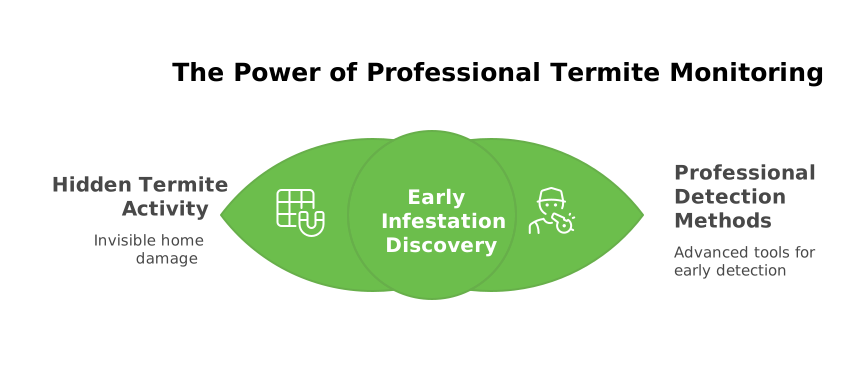
Termite Activity is Invisible
Here’s the thing about termites: by the time you see them, the damage is already done. Termite colonies work silently behind walls and under flooring, often for 5+ years before reaching a size that causes noticeable damage. They’re not knocking on your door asking permission. They’re hidden, multiplying, and eating.
A mature termite colony can contain hundreds of thousands of insects, all working 24/7 to destroy your home’s wooden structure. And many homeowners don’t notice the early warning signs—mud tubes, discarded wings, or hollow-sounding wood—until significant damage has accumulated.
What You Can’t See
The sneakiest part about termite infestations is how invisible they are. Mud tubes are often hidden in crawl spaces behind shrubs, or in places you never look. Discarded wings from swarming termites might appear for just a few days before you notice. And early wood damage is nearly impossible to detect from the outside because termites hollow out wood from within, leaving only a thin outer shell).
Sleep Easy With Professional Monitoring
This is where professional termite control makes all the difference. Professional pest control companies use advanced tools like infrared scanners, moisture meters, and detection probes to uncover hidden termite activity that homeowners would never spot. An annual professional termite inspection catches problems before they explode into major infestations.
Knowing that a trained expert has thoroughly inspected your home and put protective measures in place gives you genuine peace of mind. You can stop worrying about hidden damage and start enjoying your home again.
Why You Need Professional Help (Not DIY)
Species-Specific Identification Matters
Texas has multiple termite species, and each one requires a different treatment approach. Subterranean termites, drywood termites, dampwood termites, and Formosan termites each swarm at different times and damage homes differently.
If you use the wrong treatment for the wrong species, the colony survives and continues destroying your home while you waste money on ineffective solutions. Professional termite control experts know exactly which species you’re dealing with and how to eliminate it.
Proper Tools & Expertise
DIY termite sprays and foams? They only kill the termites you can see. The queen and the bulk of the colony remain hidden and safe.
Professional treatment is completely different. Licensed pest control specialists use specialized equipment and targeted application of treatments to effectively eliminate termites, locate termite colonies, and apply appropriate extermination methods). They know the science behind which barriers work, where to place bait systems, and how to ensure complete colony elimination.
Comprehensive Solutions
A professional termite control company will conduct a thorough inspection of your property—foundation, crawl spaces, attic, and entry points—to assess the full extent of the infestation. They then create a customized treatment plan tailored to your home’s specific construction type, size, and severity of infestation.
One-size-fits-all solutions don’t work for termites. Professional treatment plans account for factors like the type of termites present, the intensity of the infestation, and your home’s unique vulnerabilities. This targeted approach maximizes effectiveness and prevents reinfestation.
Safety First
Termite treatments involve harsh chemicals and pesticides that require proper handling and safety protocols). Licensed professionals are trained in how to apply these treatments safely—protecting you, your family, and your pets from exposure.
They also know which areas of your home require treatment, whether you need to temporarily relocate, and how to minimize disruption to your daily life during the treatment process.
Austin’s Termite Reality: A Local Perspective
If you live in Austin, termites aren’t a seasonal concern—they’re a year-round threat. Texas never truly experiences an “off-season” for termites like colder northern states do. The warm, humid Texas climate creates ideal conditions for termite colonies to thrive every single month.
In Austin specifically, subterranean termite swarming typically peaks from late spring to early summer (March through May), often after heavy rain when the soil is moist. But drywood termites can swarm from May through September during the warmer months. This extended swarming window means your home is under termite threat for much of the year.
The combination of Austin’s warm climate, typical home construction styles (pier-and-beam and slab foundations), and abundant wooden structures creates the perfect storm for termite activity. This is exactly why Austin homeowners need professional termite protection—not as an option, but as a necessity.
Protect Your Family’s Greatest Investment
Termites represent a financial risk, a health risk, and a structural risk all rolled into one silent invader. They work around the clock to destroy your home’s foundation while you sleep, completely unaware.
The choice is clear: invest in professional termite control now, or face thousands in repair costs later. Annual inspections, professional treatments, and ongoing monitoring aren’t just nice to have—they’re essential protection for your family and your home.
Don’t wait for visible damage to appear. By then, the termites have already won. Schedule your professional termite inspection today and take back control of your home’s future.
See what our happy customers are saying! Read real reviews and discover why homeowners trust us.
Protect Your Home from Termites – Choose BrockStar!
Termites can silently destroy your property before you even notice. Don’t wait until the damage is done. Choose BrockStar for expert termite inspections, treatments, and prevention plans.Get a quote today and safeguard your home!
Frequently Asked Questions
1. How do I know if I have termites in my home?
Watch for these telltale signs: hollow-sounding wood when tapped, mud tubes along your foundation or crawl spaces, discarded termite wings near windows and doors (especially after rain in spring), and visible wood damage that looks like tunneling. You might also notice sagging floors, sticking doors or windows, or a musty odor. If you spot any of these signs, contact a professional immediately for an inspection.
2. What’s the difference between termites and ants?
While both can damage wood, termites have a broad, straight waist, whereas ants have a narrow, pinched waist. Termite wings are equal in size and lie flat over the body, while ant wings are unequal in length. Termites have straight, beaded antennae, while ants have elbowed or bent antennae. Under a magnifying glass, these differences become clear, but when in doubt, let a professional identify the pest.
3. How often should I get a professional termite inspection?
Annual termite inspections are essential for early detection and prevention of termite damage. Since termite colonies can cause significant damage in 1-2 years if left unchecked, yearly check-ups catch problems before they escalate. In Austin, where termite pressure is high year-round, annual inspections combined with professional monitoring systems provide the best protection.
4. Can I prevent termites on my own?
While you can reduce risk through moisture control (fixing leaks, improving drainage) and wood management (keeping mulch away from foundations, removing wood debris), DIY prevention methods are not 100% effective at stopping termites. Professional prevention plans create comprehensive barriers and monitoring systems that catch infestations before they cause damage. Professional prevention is the only way to truly protect your home.
5. What does professional termite treatment involve?
Professional termite treatment begins with a thorough inspection to identify the termite species, locate the colony, and assess the extent of damage. Treatment options typically include liquid barriers applied to soil around your foundation, bait systems placed strategically to attract and eliminate termites, or direct wood treatments to protect structural elements. Most professional plans include ongoing monitoring to ensure your home stays termite-free and catch any future activity immediately.